Last updated: June 2026

Here’s a contrarian truth that seasoned safari-goers know and first-timers rarely guess: some of the most magical times to be in Laikipia are during the rains. Yes, the dry season gets all the glory, but the so-called green season — the long rains of roughly March to May, and the short rains around November — has a quiet case all of its own. Lower prices, hardly any other visitors, landscapes transformed into emerald, skies dramatic with cloud, newborn animals everywhere, and birdlife at its spectacular peak. A Laikipia wet season safari isn’t for everyone, but for the right traveller it’s a revelation, and this guide makes the honest case for and against.
I’ll be straight about the downsides — muddy roads, the odd washed-out afternoon, some seasonal lodge closures — but I’ll also tell you why a green-season trip can deliver an intimate, beautiful and astonishingly good-value experience that the peak-season crowds never see.
When Is the Wet Season in Laikipia?
Laikipia has two rainy periods. The “long rains” fall from around late March through May, the wettest stretch of the year, dusting off by mid-June. The “short rains” arrive around November (sometimes trickling into December), a briefer, lighter wet spell. Importantly, “wet season” rarely means all-day downpours — far more often it’s dramatic afternoon and evening showers that clear to leave washed-clean air and golden light, with plenty of dry hours for game viewing. The rhythm and intensity vary year to year. For the granular picture, see our month-by-month guide and climate guide.
The Case for the Green Season
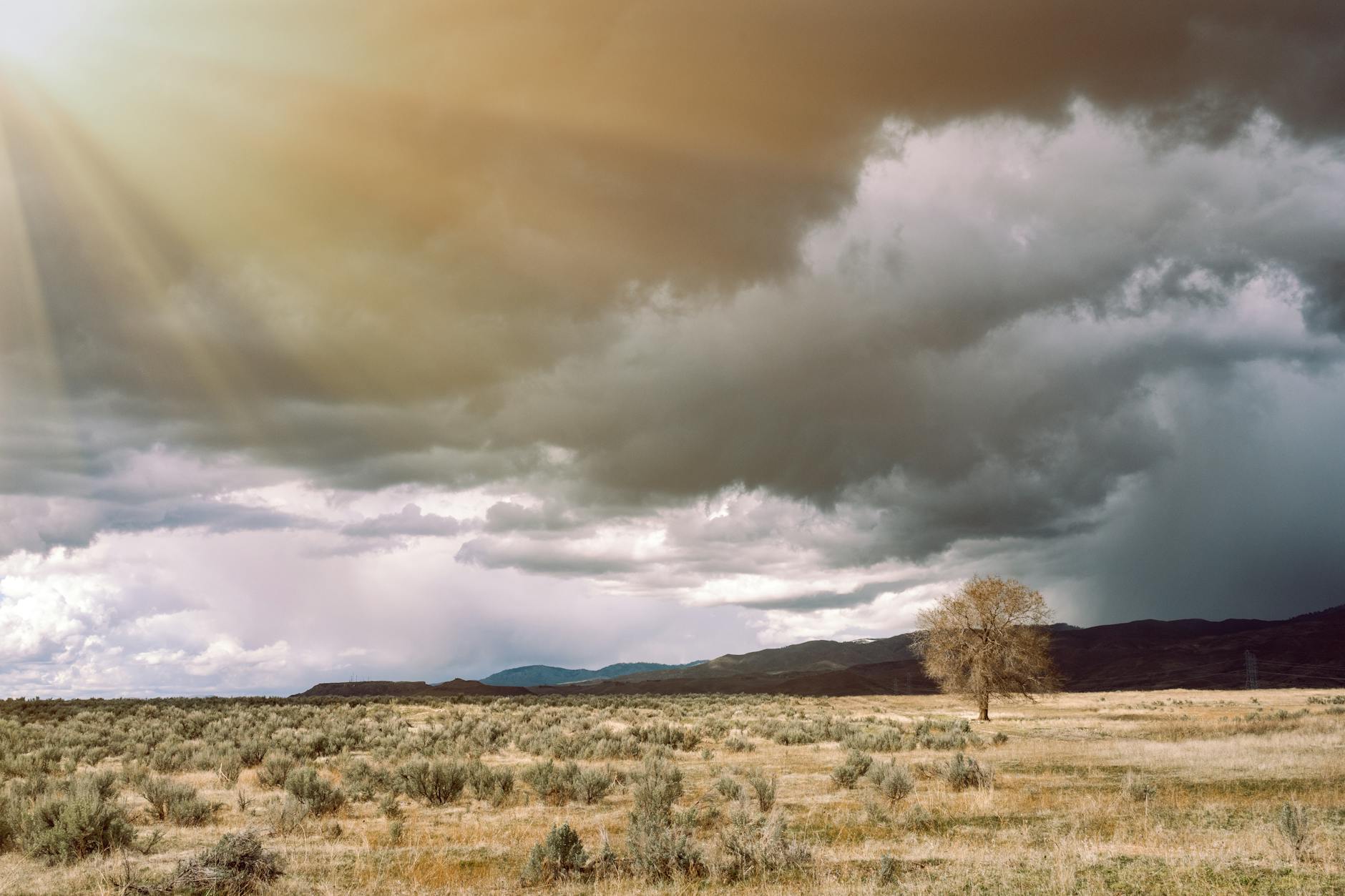
Start with the landscape. After the rains, the plateau is utterly transformed — the dusty gold of the dry months gives way to vivid green grass, wildflowers, and fat, healthy animals. It is, simply, beautiful, and a world away from the parched scenes most safari photos show. The light is wonderful too: brooding storm clouds, rainbows, dramatic skies and that crystalline post-rain clarity make for photography that the cloudless dry season can’t match. If you’ve seen a thousand golden-savannah images and want something different, this is it.
Then there’s the sense of having the place to yourself. Visitor numbers drop sharply, lodges are quiet, and the already-exclusive Laikipia conservancies feel even more private. Pair that with significantly lower green-season rates, and you have a trip that’s both more intimate and far better value.
Wildlife Viewing in the Wet Season
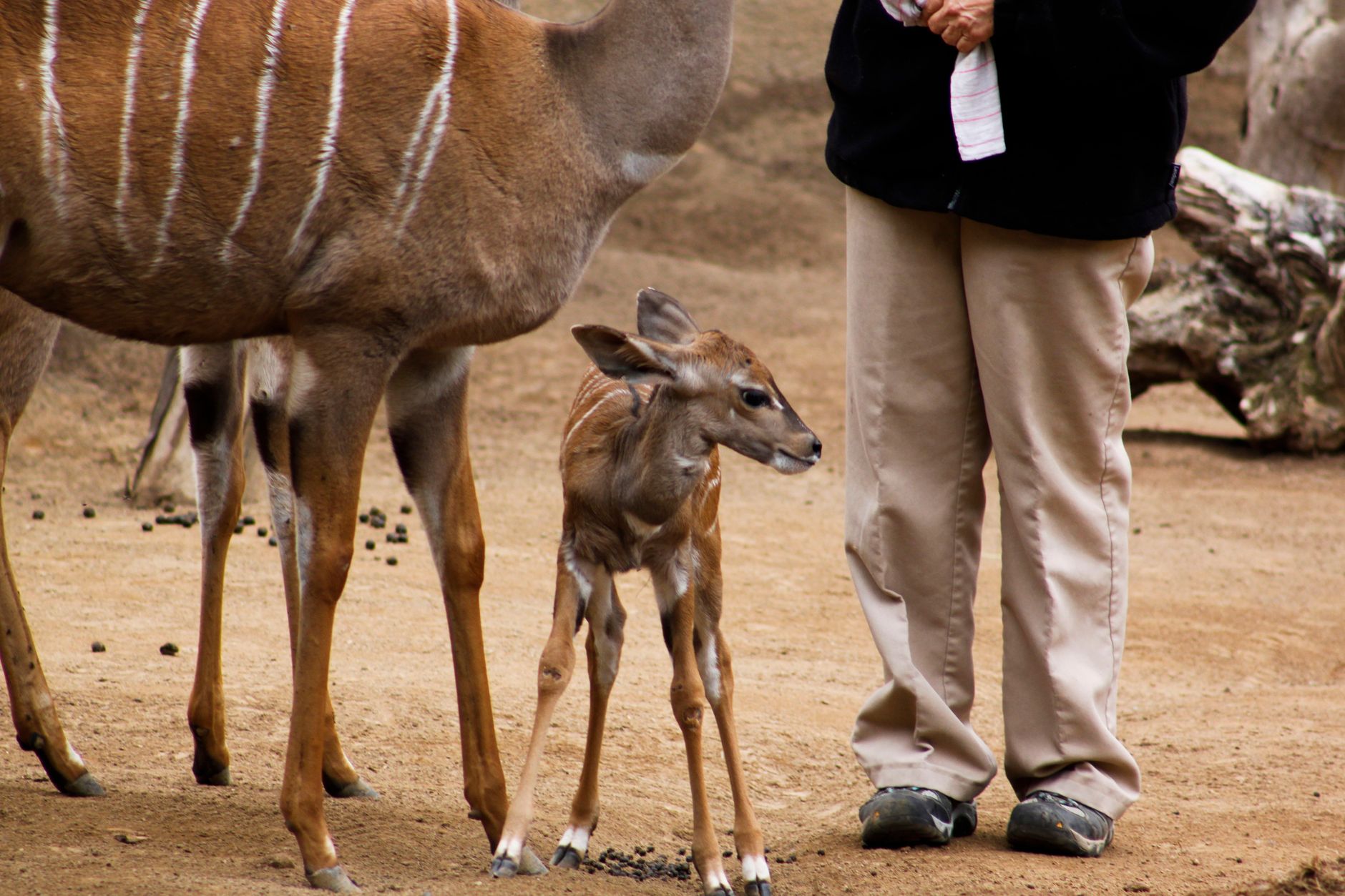
Here’s the reassuring part: game viewing in green-season Laikipia is genuinely good, not a consolation prize. The resident wildlife — elephant, rhino, lion, giraffe, the lot — doesn’t leave; this isn’t a migration ecosystem that empties out. True, animals are a little more dispersed because water is everywhere rather than concentrated at a few sources, and the lush vegetation can make spotting marginally harder. But the conservancies’ expert guides know where to look, and the rewards are special: this is calving season for many antelope, so the plains are dotted with newborns, and where there are vulnerable young, there are predators hunting — often making for dramatic action. Fewer vehicles also means more exclusive sightings when you do find game.
A Birdwatcher’s Paradise
If you have any interest in birds, the wet season is arguably the best time to visit. From around October to April, migratory species arrive in Laikipia from as far away as Europe and Russia, swelling the already rich resident birdlife. Add the breeding plumage many species put on, the nesting activity, and the general abundance that comes with all that water and insect life, and the birding becomes superb. The green season turns Laikipia into a paradise for anyone with binoculars and a bird list — pair this trip with our Laikipia birdwatching guide.
Weather and What to Expect
Green-season weather is warm, humid by Laikipia standards, and punctuated by rain — but rarely washed out entirely. Expect warm days, often with bright mornings giving way to afternoon showers or thunderstorms, and milder nights than the cold dry-season dawns. The rain tends to come in bursts rather than continuous drizzle, so you can usually plan game drives around it, heading out in the clear mornings. The long rains (April–May) are the wettest and least predictable; November’s short rains are gentler. Bring a good waterproof and footwear that copes with mud, plus the usual warm layers — our packing list covers green-season specifics.
The Downsides: An Honest Look
The green season isn’t for everyone, and it’s only fair to be clear. Roads — especially the murram tracks to and within remote conservancies — can turn muddy and difficult, and the dreaded “black cotton” soil becomes treacherous when wet, occasionally affecting access and game drives (a particular consideration for self-drivers). Some lodges close for part of the long rains, reducing your options. Wildlife is more dispersed and the thick vegetation can hide it. And while showers usually pass, an unlucky run of weather can dampen a few drives. If you want guaranteed sunshine and the densest possible game concentrations, the dry season is the safer bet.
Value: The Green Season’s Trump Card
For budget-conscious travellers, the wet season is a gift. Lodge rates drop substantially from the peak-season highs, sometimes dramatically, and the savings can be the difference between a dream lodge being out of reach and within budget. Combine lower accommodation costs with quieter conservancies and you get a luxurious-feeling trip at a fraction of the July–August price. If stretching your safari budget matters, the green season deserves serious thought — see how the numbers compare in our Laikipia safari cost guide.
Who Should Choose the Wet Season?
The green season suits keen birdwatchers above all; photographers chasing dramatic skies and lush scenery; budget-minded travellers wanting peak Laikipia at off-peak prices; honeymooners and others craving privacy and quiet; and repeat visitors who’ve done the classic dry-season trip and want to see the plateau in a different mood. It’s less suited to absolute first-timers who want guaranteed dense game viewing, anyone who can’t tolerate any rain disrupting plans, or those set on remote self-driving when roads are at their worst. Match the season to your priorities and the green months can be wonderful.
Tips for a Wet Season Safari
A few things make a green-season trip shine. Choose lodges and conservancies with all-weather access and good road networks if you’re worried about mud. Build flexibility into your days — game-drive in the clear mornings and relax during afternoon showers. Bring proper waterproofs, a dry-bag for camera gear, and quick-dry clothing. Lean into the strengths: prioritise birding, photography and the newborn-and-predator drama. And consider November’s short rains as a gentler introduction to green-season travel than the heavier April–May long rains. Plan around it all with our best time to visit guide.
Calving Season: New Life on the Plains
One of the green season’s quiet wonders is calving. The flush of fresh grass that follows the rains is perfectly timed for many herbivores to give birth, so the plains fill with newborns — wobbly-legged antelope calves, baby zebra, young giraffe. It’s a joyful, life-affirming spectacle, and a wonderful time to watch animal behaviour: protective mothers, nursery herds, the whole rhythm of the bush renewing itself. It also sets the stage for drama, because all those vulnerable young draw the attention of predators, and the green season can serve up some of the most gripping hunting action of the year. For families and anyone who loves animal behaviour over a tick-list of species, calving season is a special draw.
The greenery does mean wildlife is more spread out, but a good guide knows where the herds — and the predators shadowing them — are gathering. The reward is a living, dynamic landscape quite different from the static waterhole scenes of the dry months.
Green Season Photography
If the dry season is about golden light and open sightlines, the green season is about drama and colour. The skies do the heavy lifting: towering thunderheads, shafts of light breaking through cloud, rainbows arcing over the plains, and the extraordinary clarity that follows a downpour. Set lush emerald grass and glossy, well-fed animals against those skies and you have photographs with a mood the cloudless dry season simply can’t produce. The light is softer and more varied, the colours richer. The challenge is the weather itself — you’ll want a dry-bag and rain cover for your gear, and the flexibility to shoot around showers — but for photographers willing to work with the conditions, the green season offers a fresher, more atmospheric portfolio. Pair it with our photography guide.
Which Conservancies Stay Accessible in the Rains
Access is the green season’s main practical concern, and it varies a lot by conservancy. Properties with good all-weather road networks and well-drained terrain stay perfectly accessible through the rains, while remote conservancies reached by black-cotton tracks can become genuinely difficult after heavy downpours. The practical answer is to choose your base with the season in mind: central, well-connected conservancies and those with airstrips for fly-in access are the safest bets in April–May, while the gentler November short rains open up more options. Ask your lodge or operator directly about wet-season access before booking, and lean toward fly-in itineraries to sidestep the muddiest roads. Our accommodation guide and getting-there guide help you plan around it.
Activities That Shine in the Green Season
Some experiences are actually better in the rains. Birding, as noted, peaks. Photography of dramatic skies and lush scenery is at its finest. The cooler, washed air can make midday more pleasant than the dry-season heat. And the sheer sense of exclusivity — quiet lodges, empty roads, sightings all to yourself — lends itself beautifully to a slow, relaxed, wellness-focused or honeymoon trip. Forest walks at Ngare Ndare are gorgeously green, and the whole plateau feels alive. You simply plan your days with a little more flexibility, game-driving in the clear mornings and enjoying the lodge during afternoon showers.
A Sample Green-Season Trip
A relaxed green-season week might pair a few nights at a well-connected central conservancy — game drives in the bright mornings, birding outings, and lazy, showery afternoons by the fire or the pool — with a few nights focused on photography and walking, timed around the weather. Build in flexibility, prioritise the season’s strengths (birds, scenery, newborns, exclusivity), and treat the occasional washed-out drive as an excuse to slow down. With the money saved on lower green-season rates, you might even upgrade to a lodge that would be out of reach in peak season. See our itinerary guide for ideas.
The Green Season for Couples and Families
The green season has a particular appeal for two groups. For couples and honeymooners, the combination of quiet lodges, dramatic scenery, lower prices (or the chance to upgrade for the same budget) and a romantic, storm-washed landscape is hard to beat — it’s an intimate, away-from-it-all time to be in Laikipia, ideal for a honeymoon or wellness escape. For families travelling outside the expensive peak holidays, the green season offers better value and the wonderful spectacle of newborn animals, which children adore, though you’ll want to choose a well-connected lodge to avoid the muddiest roads.
Both groups benefit from the season’s gentle pace: with fewer must-see crowds and a more relaxed rhythm, there’s room to slow down, linger over sightings, and enjoy the lodge itself during afternoon showers. It’s safari with the volume turned down, in the best way.
The Verdict on the Green Season
The green season is the connoisseur’s choice — not the safe first-timer’s bet, but a rewarding option for those who know what they’re after. If you’re a birder, a photographer drawn to dramatic light, a budget-conscious traveller wanting peak Laikipia at off-peak prices, or simply someone who treasures solitude, the rains deliver an experience the dry-season crowds never see. The trade-offs are real — muddier roads, more dispersed game, some closures — but for the right traveller they’re a price well worth paying for emerald landscapes, superb birding, newborn drama and remarkable value. Weigh it against the dry season and shoulder season, and if it fits your priorities, don’t be put off by the rain — green-season Laikipia is genuinely special.
Frequently Asked Questions
Is the wet season good for first-time safari-goers?
It can be, but the dry season is generally the safer first-time choice for guaranteed dense game viewing. The green season suits first-timers who are keen birders or photographers, who value low prices and quiet, and who don’t mind some rain and more dispersed wildlife. If your heart is set on textbook big-game concentrations, lean toward the dry or shoulder seasons for a first trip.
What should I pack for a green-season safari?
Add a good waterproof jacket, a dry-bag for camera gear and quick-dry clothing to the usual Laikipia kit of warm layers and sun protection. Footwear that copes with mud helps, and the standard binoculars and camera remain essential. See our packing list for the full rundown.
Do lodges close during the wet season in Laikipia?
Some do, particularly during the heavier long rains of April and May, while many stay open year-round. Availability is more limited than in peak season, so check which lodges are operating for your dates and lean toward well-connected properties or fly-in camps to avoid the muddiest roads. The November short rains see fewer closures.
Is the green season good for photography?
Excellent — arguably better than the dry season for atmosphere. You get dramatic storm skies, rainbows, post-rain clarity, lush emerald landscapes and glossy, healthy animals, plus far fewer vehicles at sightings for cleaner compositions. Bring weather protection for your gear and the flexibility to shoot around showers.
Which is better, the long rains or the short rains?
The short rains around November are generally gentler, more predictable and less disruptive than the heavier long rains of April–May, making November a good introduction to green-season travel. The long rains bring the lushest scenery and lowest prices but the greatest chance of muddy roads and closures.
When is the wet season in Laikipia?
The long rains fall from roughly late March to May, and the short rains around November (sometimes into December). Rain usually comes as afternoon and evening showers rather than all-day downpours, leaving plenty of dry hours for game viewing.
Is it worth going to Laikipia in the wet season?
For the right traveller, absolutely. You get lush green landscapes, dramatic skies, superb birding, newborn animals, far fewer visitors and significantly lower prices. The trade-offs are muddier roads, more dispersed wildlife and some lodge closures, so it suits birders, photographers and budget or privacy seekers more than first-timers wanting guaranteed dense game.
Is wildlife viewing good in the green season?
Yes. Laikipia’s resident wildlife stays year-round — it’s not a migration ecosystem that empties out. Animals are a little more dispersed with water everywhere, but expert guides still find them, and the calving season brings newborns and active predators. Fewer vehicles also mean more exclusive sightings.
Will it rain all day on a wet season safari?
Rarely. Wet-season rain in Laikipia typically comes as afternoon or evening showers and thunderstorms that clear quickly, leaving fresh air and beautiful light. You can usually plan drives around the weather. The long rains of April–May are the wettest and least predictable.
Is the wet season cheaper for a Laikipia safari?
Significantly. Lodge rates drop from peak-season highs, sometimes dramatically, making the green season the best-value time to visit — luxurious-feeling trips at off-peak prices, with the bonus of quiet, private conservancies. See our cost guide.
Weighing your options? Compare the green season with the dry season and shoulder season, and see the full best time to visit Laikipia guide.


