Last updated: June 2026
Laikipia has a reputation as a high-end safari destination, and at the top it certainly is — but that reputation hides a truth the luxury brochures won’t tell you: with a little know-how, you can experience this extraordinary plateau for far less than you’d expect. The same rhinos, the same elephants, the same Mount Kenya sunrises are available to the savvy budget traveller as to the guest paying ten times more. This guide is a practical, no-nonsense collection of ways to save money on a Laikipia safari — the timing tricks, booking tactics, accommodation choices and insider hacks that genuinely cut the cost without gutting the experience.
None of these tips involve missing out on the wildlife. They’re about spending smartly, travelling at the right time, and knowing where the savings hide. Let’s get into them.
Travel in the Shoulder or Green Season
This is the single biggest lever you can pull. Lodge rates swing dramatically with the seasons, and travelling outside the July–August and Christmas peaks can slash your costs — often substantially. The shoulder season (January–February) offers near-peak wildlife at lower rates, while the green season (April–May, November) brings the deepest discounts of all, plus lush scenery and superb birding. The wildlife is resident year-round, so you’re not sacrificing the safari — just the premium pricing. If your dates are flexible, simply choosing when you go is the most powerful saving available. See our pricing trends guide for the calendar.
Choose Budget-Friendly Accommodation
Where you sleep is the biggest line in any safari budget, so this is where the biggest savings live. Instead of a premium lodge inside an exclusive conservancy, consider simpler tented camps, guesthouses or campsites around Nanyuki and the more accessible conservancies, then day-trip into the wildlife areas. A comfortable base near Nanyuki with day visits to Ol Pejeta can cost a fraction of staying inside a top conservancy, while still delivering excellent game viewing. Our budget accommodation guide and Nanyuki hotels guide are full of affordable options.
Consider Self-Driving
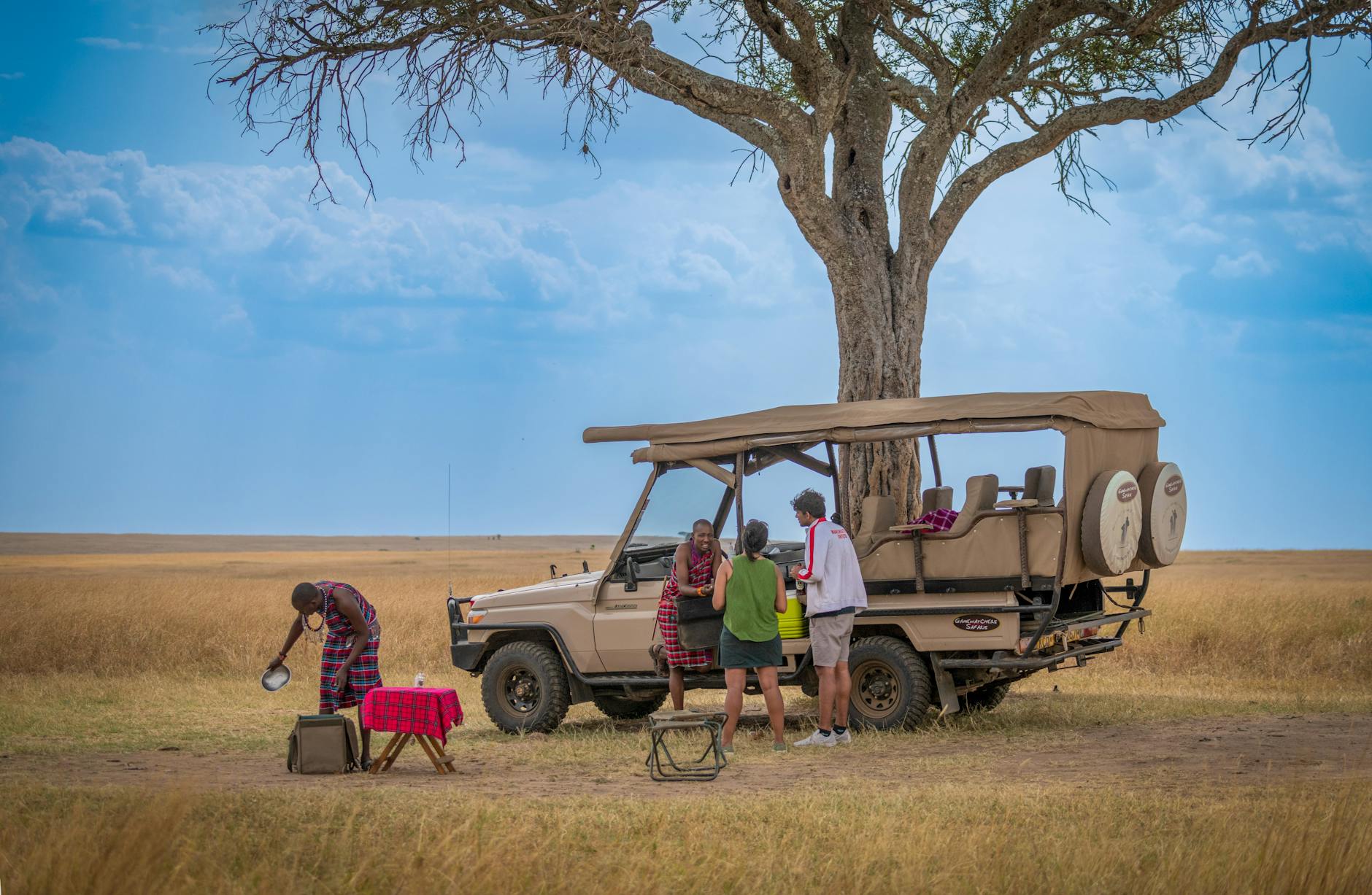
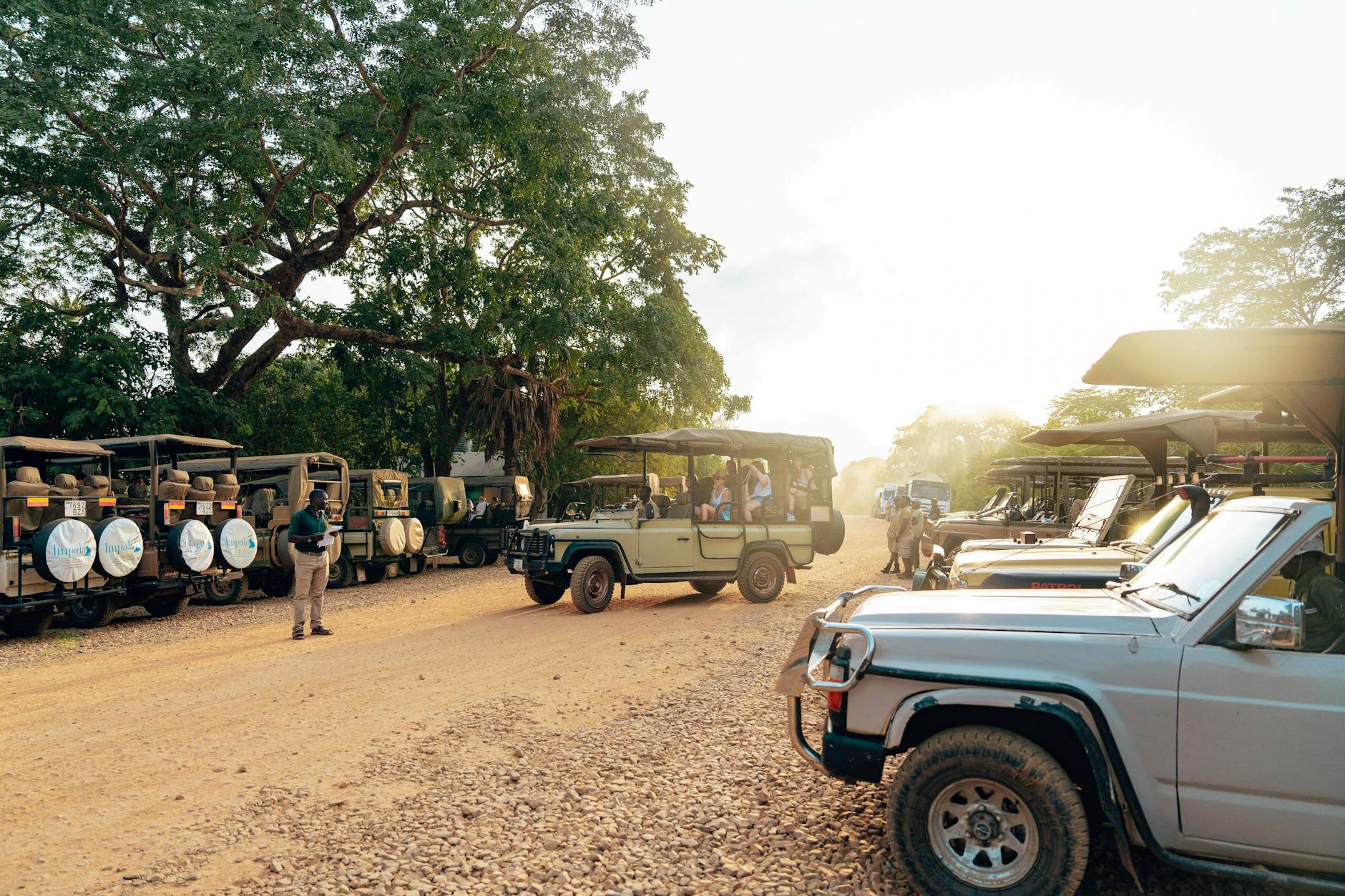
For confident, independent travellers, self-driving can cut costs significantly versus a guided package — you save on the driver-guide and gain total flexibility. Hire a 4×4, base yourself affordably near Nanyuki, pay day-entry fees into conservancies like Ol Pejeta that welcome self-drivers, and explore at your own pace. You’ll do the navigating and miss some of a professional guide’s expertise, but the savings are real. Pair it with camping for the most economical trip of all. It’s not for everyone, but for the adventurous it’s a genuine cost-cutter.
Book Direct Where You Can
Cutting out middlemen can save money. Where lodges allow it, booking direct sometimes secures better rates or perks than going through layers of agents, and it’s worth comparing. That said, a good, reputable tour operator can also unlock deals, packages and bundled flights you couldn’t get alone, so don’t assume direct is always cheaper — compare both. The key is to get quotes from a couple of sources, compare them on a true all-in basis, and avoid unnecessary intermediaries who simply add margin. Our booking guide explains how to navigate this.
Combine Conservancies Smartly
Rather than spreading a short trip thin across many properties (paying transfer costs and fees each time), base yourself well and combine nearby experiences efficiently. From a single Nanyuki or central base you can reach Ol Pejeta, the equator, Ngare Ndare Forest and the Mount Kenya foothills as day-trips, packing in variety without multiple expensive lodge changes. Concentrating your stay also reduces internal transfer and flight costs. Plan an efficient route with our itinerary guide.
Look for Deals, Offers and Waivers
Savings hide in the fine print. Many lodges run special offers — stay-pay deals (stay four nights, pay three), honeymoon perks, long-stay discounts, and crucially for solo travellers, single-supplement waivers, especially in low season. Some camps offer reduced solo rates outright. Resident and citizen rates are far lower if you qualify. Ask directly about current promotions, travel in promotional windows, and don’t be shy about enquiring whether a lodge can do better on a quiet date. The deals are there if you ask — they’re rarely advertised loudly.
Cut the Extras That Add Up
Beyond the big-ticket items, small choices add up. Stick to the included house drinks rather than premium labels; skip the priciest optional add-on activities if budget is tight (the core game drives are the heart of it anyway); pre-book and pre-pay where it locks in better rates; and handle your own pre-trip essentials (eTA, insurance) directly rather than through marked-up packages. Tipping is important and shouldn’t be skimped, but it can be budgeted sensibly using our tipping guide. None of these individually is huge, but together they meaningfully trim the bill.
Travel as a Group
Safari costs drop sharply when shared. A private vehicle, a guide, even an exclusive-use house all become far more affordable split across four, six or more people. Families and groups of friends can access experiences — and even properties — that would be extravagant for a couple, simply by dividing the fixed costs. If you can gather a group, the per-person price of a Laikipia safari can fall dramatically, sometimes bringing luxury within mid-range reach. It’s one of the most underused money-savers in safari planning, and especially powerful for exclusive-use houses and family trips.
Travel as a Group or Family
One of the most effective ways to slash per-person costs is to share them. Safari has high fixed costs — a vehicle, a guide, sometimes a whole house — that divide beautifully across more people. A private vehicle and guide split between four or six costs far less each than between two. An exclusive-use house that sounds extravagant for a couple becomes excellent value for a family or group of friends filling it. If you can gather a group, you can often access a higher tier of experience for a mid-range per-person price. Multi-generational and friend-group trips are among the best-value ways to do Laikipia, as we cover in our family safari guide.
Even informally teaming up with other travellers on a join-in departure spreads vehicle and guide costs. If budget is tight, the question “can I bring more people?” is one of the most powerful you can ask.
Claim Resident and Citizen Rates
If you qualify, this is a major saving. Kenyan citizens and East African residents pay dramatically lower conservancy fees and often reduced lodge rates compared with international visitors. If you hold residency or citizenship — or are travelling with someone who does — bring documentary proof, as it can cut conservation fees several-fold and unlock resident lodge specials. Even long-stay visitors and those on certain permits may qualify for resident rates at some properties. It’s always worth asking whether any resident or special rate applies to your situation; the savings for those who qualify are among the largest available.
Free and Low-Cost Experiences
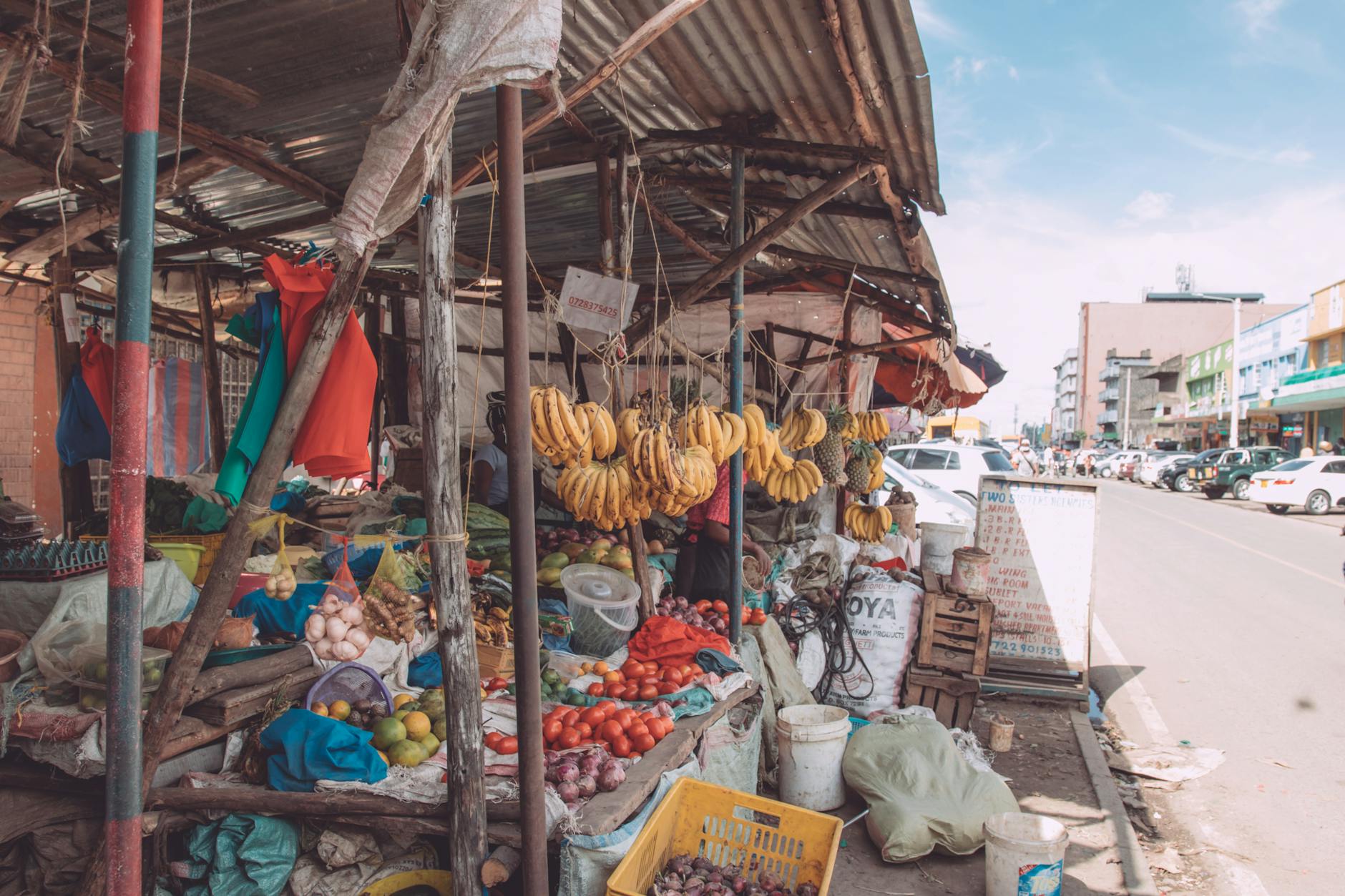
Not everything memorable costs extra. The equator crossing at Nanyuki is essentially free (bar a small tip), Nanyuki town itself — its markets, cafés and culture — costs little to enjoy, and many of the best safari moments (a sundowner, a walk, simply watching wildlife) are included in your rate. Building a few low-cost or no-cost experiences into your itinerary alongside the paid activities stretches your budget without diminishing the trip. Day-tripping into Ol Pejeta rather than staying inside a pricey conservancy is itself a way to access world-class wildlife affordably. Mix the free with the paid for a richer, cheaper trip.
What You Should Not Skimp On
Saving money is smart, but a few things are false economies. Never skip travel insurance with medical evacuation cover — on a remote safari it’s essential, and going without risks catastrophe. Don’t skimp on tips, which are a meaningful part of staff income and a matter of fairness. Avoid cutting corners on safety or on a reputable operator just to save a little. And don’t choose a trip so bare-bones that you miss the experiences you came for. The goal is to spend wisely on what matters and trim what doesn’t — not to gut the trip. Smart saving enhances the safari; reckless cost-cutting undermines it.
A Sample Budget-Smart Itinerary
Pulling the tactics together, a budget-smart week might look like this: travel in the shoulder or green season for lower rates; base yourself in affordable accommodation near Nanyuki; day-trip into Ol Pejeta and visit the equator and Ngare Ndare Forest; perhaps self-drive or share a vehicle; and treat yourself to just one or two nights inside a conservancy for the full experience. Travelling as a group or claiming resident rates where possible compounds the savings. This blended approach delivers a genuinely rich Laikipia safari at a fraction of the all-luxury price — proof that smart planning, not a big budget, is what unlocks the plateau. Build yours with our itinerary guide.
Saving on Flights and Transfers
Flights are a big, often overlooked cost, and there’s room to save. International airfares vary enormously by booking timing and route, so book early, be flexible on dates, and compare. For the domestic leg, the scheduled flights to Nanyuki are convenient but add up for a family — a private road transfer or self-driving can be cheaper for groups, trading time for money. Consolidating your conservancy stays reduces the number of internal transfers and charter legs you pay for. And combining the journey sensibly — flying one way, driving the other — can balance cost and convenience. Our getting to Laikipia guide lays out the options and their relative costs.
Because flights sit outside lodge rates and inclusive packages, they’re easy to underestimate; building them realistically into your budget from the start prevents an unwelcome surprise and lets you spot where savings are genuinely available.
Off-Peak, Long-Stay and Repeat Deals
Lodges offer more discounts than they advertise, so ask. Beyond the big seasonal savings, look for stay-pay offers (such as stay four nights, pay three), long-stay discounts for extended visits, honeymoon and anniversary perks, and occasional repeat-guest or loyalty benefits. Some operators and lodges run limited-time promotions, particularly to fill quieter periods. None of these are always visible on a website, so a direct enquiry — “do you have any current offers for my dates?” — frequently surfaces savings. Combined with shoulder-season timing, these deals can meaningfully reduce the bill for an identical experience. It never hurts to ask, and it often pays handsomely.
Smart DIY Cost Control
For independent travellers, a few DIY habits keep costs down without sacrificing much. Self-cater some meals if you’re staying somewhere with facilities, stocking up affordably in Nanyuki‘s supermarkets. Use M-Pesa and local pricing where you can. Choose campsites over lodges for some nights if you’re equipped. Prioritise the paid experiences that matter most to you and enjoy the free ones (the equator, town life, sundowners) for the rest. And handle your own eTA and insurance directly rather than through marked-up packages. These small efficiencies, in the hands of an organised independent traveller, add up to a genuinely affordable trip.
What’s the single best way to save money on a Laikipia safari?
Flexibility on timing. Travelling in the shoulder (January–February) or green (April–May, November) season instead of the July–August or festive peak can cut lodge rates substantially for an essentially identical safari — the wildlife is resident year-round. If you can shift your dates, that single choice usually saves more than any other tactic.
Free and Included Pleasures
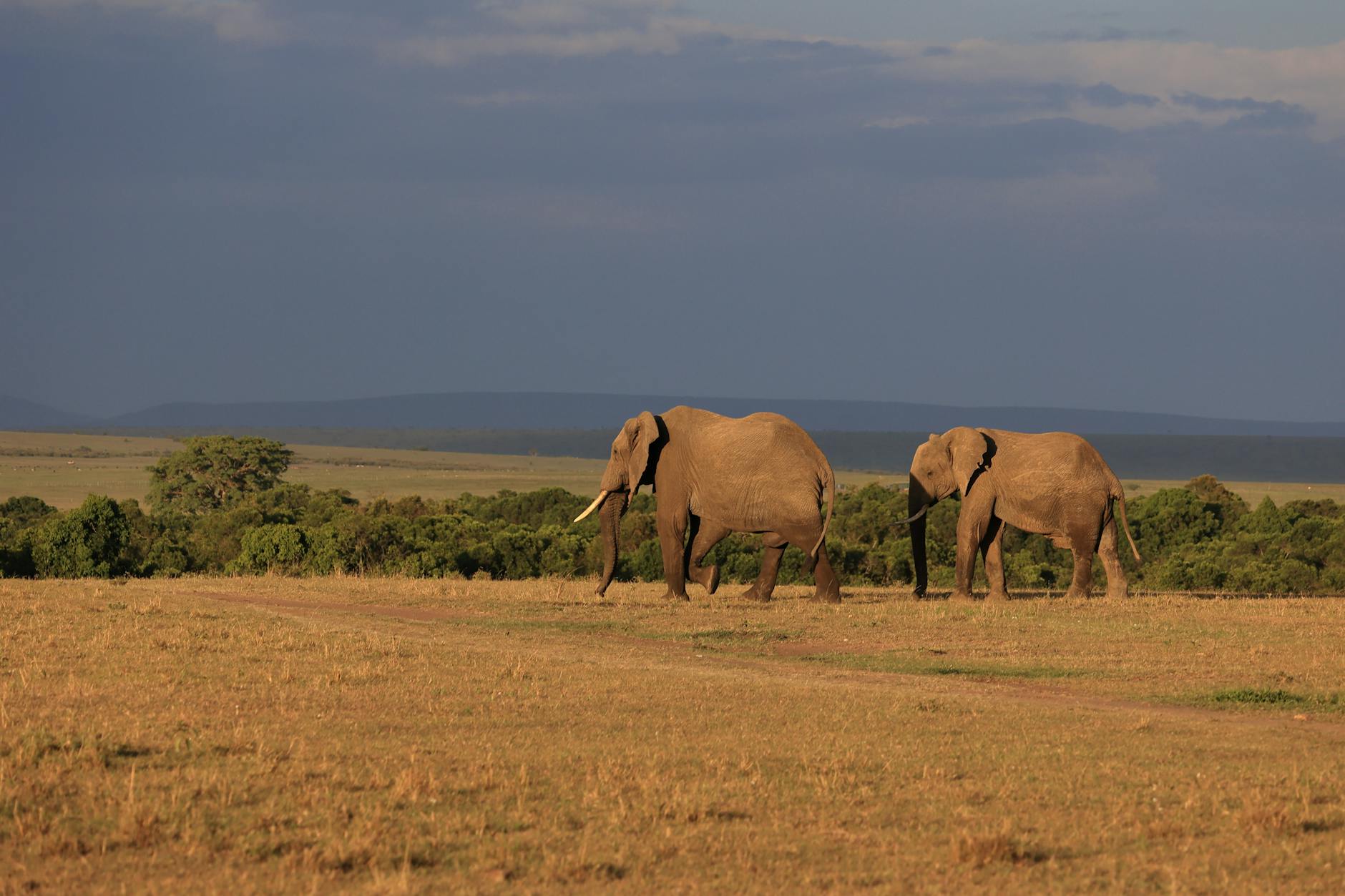
Some of the most memorable parts of a safari cost nothing extra, and leaning into them stretches any budget. The sundowner drink as the sky turns to fire, the night sky thick with stars far from any city light, the simple thrill of watching elephants at a waterhole, the dawn chorus, the conversations with your guide — none of these carry a surcharge, yet they’re often what travellers remember most. Building your trip around these included and free pleasures, rather than feeling you must pay for every possible add-on, is both economical and, arguably, the truer way to experience the plateau. The wilderness itself is the headline attraction, and it’s already in your rate.
So as you trim costs, remember you’re not trimming the essence — the essence is largely free or included. You’re simply choosing to spend on the trimmings selectively, which is exactly how a smart budget safari works.
Pulling Your Savings Together
The biggest wins, stacked, transform the affordability of a Laikipia trip: travel in the shoulder or green season; choose affordable accommodation and day-trip into conservancies; travel as a group to split fixed costs; claim resident rates if you qualify; book smartly and ask about deals; and handle your own pre-trip essentials. No single tactic is magic, but combined they can roughly halve the cost of a comparable peak-season luxury trip while keeping the wildlife experience fully intact. That’s the real secret this guide exists to share: Laikipia is not only for big budgets. With knowledge and a little flexibility, this extraordinary plateau is within reach of far more travellers than its luxury reputation suggests. Start building your value trip with our cost guide and itineraries.
Frequently Asked Questions
Is Laikipia only for luxury travellers?
No — despite its luxury reputation, Laikipia is accessible to budget and mid-range travellers too. By travelling off-peak, staying in affordable accommodation near Nanyuki, day-tripping into conservancies, travelling as a group and booking smartly, you can experience the same world-class wildlife for a fraction of the all-luxury price. Smart planning, not a big budget, is the key.
How can I save money on a Laikipia safari?
The biggest savings come from travelling in shoulder or green season, choosing budget-friendly accommodation near Nanyuki with day-trips into conservancies, considering self-driving, booking smartly (direct or via a good operator), travelling as a group to split costs, and asking about deals and single-supplement waivers. The wildlife is the same; you’re just spending wisely.
When is the cheapest time to visit Laikipia?
The green season (April–May and November) offers the lowest lodge rates, followed by the January–February shoulder season, which combines near-peak wildlife with lower prices. The most expensive periods are July–August and the Christmas–New Year holidays. See our pricing trends guide.
Is it cheaper to self-drive in Laikipia?
It can be, for confident independent travellers — you save on the driver-guide and gain flexibility, especially combined with budget accommodation and camping. You trade a professional guide’s expertise and do your own navigating, but the cost savings are real. See our self-drive guide.
Are there budget options in Laikipia?
Yes, though more limited than in the national parks due to the conservancy model. Look to simpler tented camps, guesthouses and campsites around Nanyuki and accessible conservancies, plus day-trips into Ol Pejeta. Our budget accommodation guide has options.
Does booking direct save money on safari?
Sometimes — booking direct with a lodge can secure better rates or perks and cuts out middleman margin. But a good operator can also bundle deals and flights you couldn’t get alone. Compare both on a true all-in basis rather than assuming either is always cheaper.
Ready to save? Combine these tips with our guides to the shoulder season, budget vs luxury tiers, and the complete Laikipia safari cost guide.