Last updated: June 2026
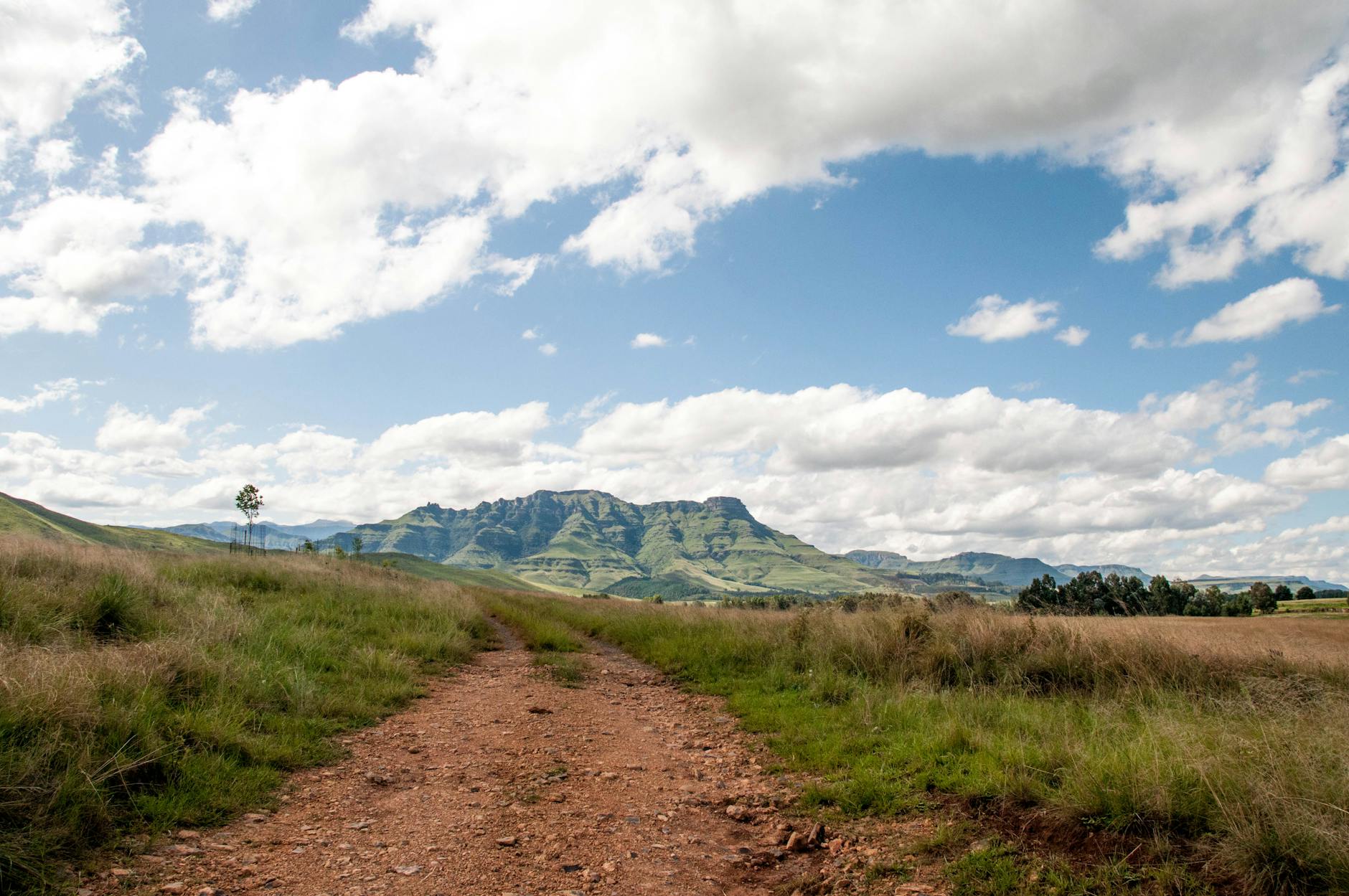
Most people arrive in Laikipia thinking about game drives, and leave talking about the walking. There is something about exploring this plateau on foot — the smell of warm cedar and wild sage, the crunch of volcanic gravel, the sudden silence when your guide raises a hand because there’s a rhino over the next rise — that a vehicle simply cannot give you. Hiking in Laikipia, Kenya ranges from gentle bush strolls to gorge scrambles and full mountain treks, and because so much of the region is private conservancy, you can often walk where in a national park you’d be confined to your seat. This guide maps out the best trails and walking routes, what to expect, and how to plan a trip built around your own two feet.
Why Hike in Laikipia?
Laikipia sits at altitude — generally 1,700 to 2,000 metres — which means the air is cool, clear and a pleasure to walk in, a world away from the heat of lower safari regions. The landscape is extraordinarily varied: open golden savannah, acacia woodland, rocky kopjes, riverine forest, dramatic gorges and the forested foothills of Mount Kenya. And because the land is largely managed by private and community conservancies rather than the national-park system, guided walking is not only permitted but actively encouraged. That single fact makes Laikipia one of the best walking destinations in Kenya.
Walking here isn’t only about exercise. It’s a different lens on the ecosystem — tracks, dung, insects, birdsong, the small dramas a vehicle drives straight past. For the full on-foot wildlife experience, read our dedicated guide to walking safaris in Laikipia; this article focuses on the trails and treks themselves.
Ngare Ndare Forest Trails
The standout day hike in the region is the trail through Ngare Ndare Forest, in the foothills of Mount Kenya. A roughly 3.5 km route descends through ancient indigenous forest to a chain of waterfalls and turquoise spring-fed pools, with the bonus of East Africa’s longest canopy walkway suspended in the treetops. It’s moderately steep in places but achievable for most, and ends with a cold swim beneath a waterfall. It is, for my money, the most rewarding single hike you can do from Nanyuki — see the full details in our Ngare Ndare Forest guide.

Mukutan Gorge and the Northern Wilderness
In the wild north of the plateau, the Mukutan Gorge offers some of Laikipia’s most dramatic walking. This is a deep, green ravine cut by the Mukutan River, where you can hike the hills and gorge, encounter wildlife on foot, and even soak in natural hot springs hidden among the rocks. It is remote, raw and unforgettable — proper wilderness walking with very few other people about. Access is generally through the lodges and conservancies of the northern reaches, including the Gallmann/Mukutan area covered in our guide to Laikipia Wilderness and Mukutan Conservancy.
Conservancy Walking: Loisaba, Borana and Beyond
Almost every conservancy in Laikipia offers guided walking, and several have made it a signature. Loisaba, sprawling across 57,000 acres of northern Laikipia, is renowned for adventure on foot and by hoof, with superb walking, mountain biking and camel-supported routes across big country. Borana offers guided walks with sweeping views of Mount Kenya, often combined with horseback riding and biking. On Ol Pejeta, guided bush walks can be paired with conservation activities like rhino tracking on foot. Wherever you walk, you’ll be accompanied by an expert armed guide — non-negotiable in country with elephant, buffalo and lion.
Mount Kenya Foothills and High Treks
For those who want a proper mountain under their boots, Laikipia is the gateway to the northern and north-western approaches of Mount Kenya, Africa’s second-highest peak. From the Nanyuki side you can do anything from a half-day forest-and-moorland hike up the Sirimon route to a multi-day trek toward Point Lenana. Even if you never summit, the foothill walks deliver giant lobelias, high-altitude moorland and staggering views. We cover the routes, day-trip options and logistics in our full guide to Mount Kenya from Laikipia.

Walking Safaris Versus Day Hikes
It’s worth drawing a distinction, because “hiking in Laikipia” covers two quite different experiences. A walking safari is wildlife-led: a slow, guided wander across the conservancy with an armed ranger, where the goal is to read tracks, approach plains game on foot and understand the bush — distance is almost beside the point. A day hike, by contrast, is destination-led: you’re walking to something — a waterfall, a viewpoint, a gorge, a summit — and covering real ground to get there. Laikipia is rare in offering both at a high standard, often from the same lodge. Decide which you’re after (or do both on different days), and read our dedicated walking safari guide for the wildlife-focused version.
The Best Day Hikes in Laikipia
If you want concrete routes to build a trip around, these are the ones I’d point you to first.
Ngare Ndare Forest waterfall trail — the classic. About 3.5 km through indigenous forest to blue pools and a waterfall, plus the canopy walk. Moderate, half a day, ends in a swim. Full details in our Ngare Ndare guide.
Mukutan Gorge — wild, dramatic and remote, with hill and gorge walking, wildlife encounters on foot, and hidden hot springs. Best accessed through the northern conservancies; see Mukutan Conservancy.
Sirimon forest-and-moorland day hike — a taste of Mount Kenya from the Nanyuki side, climbing from the gate through forest into the surreal high moorland and back in a day.
Conservancy kopje and ridge walks — most lodges have a signature short walk to a rocky outcrop or ridgeline for sundowners, easy enough for almost anyone and unbeatable at golden hour.
Multi-Day Walking and Fly-Camping
For the truly committed, several conservancies offer multi-day walking safaris with mobile fly-camps — you walk point to point across big country by day and sleep under canvas (or the stars) at night, with a support team moving your camp ahead of you. Camel-supported walks, where camels carry the gear while you stroll unburdened, are a Laikipia speciality, particularly in the north. It is one of the most immersive ways to experience the plateau, and we cover the sleeping-out side of it in our guides to star beds and fly-camping and adventure activities.
Fitness, Altitude and Who Can Do It
The good news is that Laikipia walking scales to almost any ability. Gentle bush walks and ridge strolls suit families, older travellers and anyone wanting a light leg-stretch; the Ngare Ndare and gorge trails ask for moderate fitness and sure feet; and full Mount Kenya treks demand genuine stamina and altitude preparation. The plateau sits at 1,700–2,000 m, high enough that you may notice yourself puffing a little at first but not so high that acclimatisation is a concern for ordinary walking — that only becomes a real factor on the upper mountain. If you have mobility limitations or are travelling with very young children, tell your lodge in advance and they’ll tailor a route. Honesty about fitness helps your guide pick the right walk.
What to Expect on a Laikipia Walk
A typical guided walk starts early, when the air is cool and animals are active. Your guide — and, in big-game areas, an armed ranger — will brief you on how to move: single file, quiet voices, no sudden movements, and always staying behind the lead guide. Walks range from gentle one-hour strolls suitable for families to half-day hikes covering serious ground. You’ll learn to read tracks and dung, identify medicinal plants, spot birds you’d never notice from a vehicle, and approach plains game on foot. The pace is unhurried; the point is immersion, not distance.
Altitude is worth respecting. At 1,700–2,000 m most people are fine, but if you’re heading higher on Mount Kenya, build in acclimatisation. The equatorial sun is strong even when the air feels cool, so sun protection matters more than you’d think.
Trail Safety: Walking in Big-Game Country
This is the part that makes Laikipia hiking different from a trail back home, and it’s worth taking seriously. You are walking in a landscape with elephant, buffalo, lion and rhino, and the rules exist for good reason. Always walk with your guide and never get ahead of the lead ranger. Move in single file, keep the group tight, and talk quietly — a surprised animal is a dangerous one, and noise startles wildlife. If you do encounter big game, your guide will manage it; your job is simply to stay calm, stay behind them, and do exactly as instructed, which usually means stopping and slowly backing away rather than running. Buffalo and elephant, not lion, account for most walking incidents in Africa, so respect them. Keep children close and within arm’s reach at all times. Follow these basics and guided walking in Laikipia is remarkably safe — guides here are among the best trained in Kenya. Our Laikipia safety guide covers the wider picture.
Wildlife, Birds and Botany on the Trail
The quiet pleasure of walking, as opposed to driving, is the small stuff. On foot you notice the things a vehicle flies past: a chameleon inching along a branch, the architecture of a weaver’s nest, dung beetles rolling their prize across the path, the medicinal plants your guide stops to explain. Birding on foot is exceptional — you hear and locate species you’d never spot from a moving car, and Laikipia’s bird list is long and varied, from the comical vulturine guineafowl to soaring raptors. Pair a walk with our Laikipia birdwatching guide and you’ll come back with a notebook full of sightings. Approaching plains game — zebra, giraffe, antelope — on foot is a thrill of a different order to seeing them from a vehicle: you feel your own smallness in a way that stays with you.
Where to Base Yourself for Hiking
Where you stay shapes which trails are on your doorstep. For Ngare Ndare, Mount Kenya day hikes and the equator, base near Nanyuki or on Lewa, which borders the forest. For big-country walking and camel-supported routes, head north to Loisaba or the Mukutan area. For walking combined with rhino tracking and conservation activities, Ol Pejeta and Borana are ideal. Many walkers split their stay between two contrasting bases — a few nights in the Mount Kenya foothills and a few in the northern wilderness — to sample the full range. Browse the options in our accommodation guide.
Best Time for Hiking in Laikipia
The dry seasons — broadly June to October and January to February — are ideal for walking: firm trails, clear skies, big Mount Kenya views and comfortable temperatures. The green seasons bring lush scenery, wildflowers and superb birding, but trails and access roads can be muddy and some gorge routes become unsafe after heavy rain. Whatever the season, mornings are best for both comfort and wildlife. Plan around the conditions with our best time to visit Laikipia guide.
What to Pack for Hiking in Laikipia
Bring broken-in walking boots or trail shoes with grip, neutral-coloured clothing (greens and browns keep you unobtrusive around wildlife), a light layer for cool mornings, a brimmed hat, high-factor sun cream, at least a litre of water in a reusable bottle, and a small daypack. Binoculars transform a walk, and trekking poles help on steeper gorge and mountain routes. For full mountain treks, add proper cold-weather gear — temperatures near the summit drop below freezing. See our broader adventure activities guide for more active-trip planning.
A Typical Day’s Hike, Hour by Hour
To set expectations, here’s how a half-day guided hike on a Laikipia conservancy often unfolds. You’re woken with tea or coffee before dawn and set off on foot just as the light comes up — the coolest, most active hour of the day. Your guide leads, with an armed ranger usually bringing up the rear, and the first stretch is all about reading the overnight story written in the dust: which animals passed, when, and where they were headed. You might pause at a kopje to scan for game, approach a dazzle of zebra downwind, or stop while the guide explains a particular tree’s use in traditional medicine. After a couple of hours you reach a viewpoint or a riverbank where a surprise bush breakfast has been laid out, then amble back as the heat builds. By mid-morning you’re back at the lodge for a swim and a rest before the afternoon. It is gentle, immersive and quietly addictive — most people who try one walk want another the next day.
Horse and Camel-Supported Walking
One of Laikipia’s distinctive pleasures is letting an animal carry the effort. On conservancies like Loisaba and in the northern reaches, camel-supported walks let you stroll unburdened while camels carry the packs, lunch and even a mobile camp — a wonderfully unhurried way to cross big country. Horseback options let stronger riders cover ground and approach plains game in a way that feels almost prehistoric. Both blur the line between a hike and a safari, and both are covered in our guide to Laikipia adventure activities. They’re ideal for travellers who love the idea of walking country but want to go further than their own legs alone would carry them.
Hiking with Children and Older Walkers
Don’t assume hiking in Laikipia is only for the super-fit. The region’s guides are skilled at scaling a walk to the group, and there are wonderful options for families and older travellers. Short kopje walks, gentle riverside strolls and the easier sections of forest trails suit children and those who want a taste of walking without a route march, and the guide’s running commentary — tracking, plants, birds, the occasional close encounter with plains game — keeps young minds engaged far better than a long drive does. For families, walking is often the most memorable part of the trip; just be honest about ages and fitness when you book so the lodge can pick appropriate routes and brief the children on the safety basics. See our family safari guide for more on travelling with kids.
Frequently Asked Questions
Can you go hiking in Laikipia?
Yes — and it’s one of the best places in Kenya to do it. Because most of Laikipia is private and community conservancy land rather than national park, guided walking is widely available, from gentle bush walks to gorge hikes and Mount Kenya treks.
What is the best hike in Laikipia?
For most visitors, the trail through Ngare Ndare Forest to its waterfalls and canopy walk is the standout day hike. For wilderness drama, the Mukutan Gorge in the north is hard to beat, and for a mountain challenge, the Mount Kenya routes from Nanyuki are world-class.
Do you need a guide to hike in Laikipia?
Yes. The plateau is home to elephant, buffalo and lion, so guided walking with an armed ranger is standard and essential for safety. It also vastly enriches the experience.
Is hiking in Laikipia safe?
With a qualified guide, yes. Walks are led by experienced rangers who read animal behaviour and manage the route carefully. Follow their instructions, walk single file and stay quiet, and incidents are very rare.
When is the best time to hike in Laikipia?
The dry seasons (June–October and January–February) offer the firmest trails, clearest views and most comfortable conditions. Always start early to beat the heat and catch the best wildlife activity.
Ready to lace up? Combine your hiking with the wider things to do in Laikipia, and start planning with the complete guide to Laikipia Kenya.