Last updated: June 2026
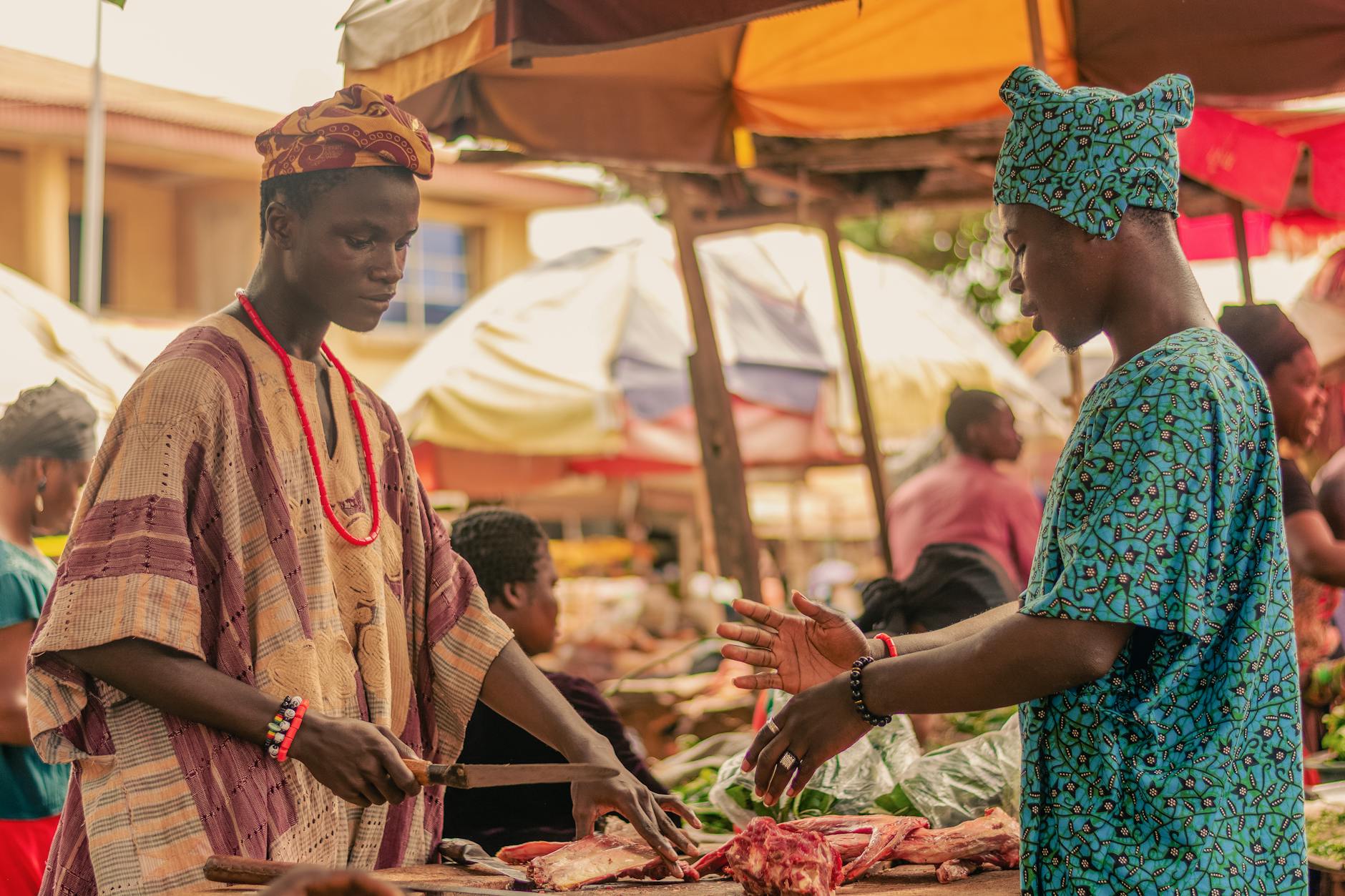
Nanyuki is the best place in Laikipia to shop — whether you’re after authentic Kenyan crafts to take home, fresh produce for a self-catered stay, or simply the supplies you need before heading into the bush. As the regional hub, the town has everything from colourful curio markets and a famous weaving cooperative to bustling produce markets, supermarkets and small malls. This guide to shopping and markets in Nanyuki covers what to buy, where to find it, how to bargain, and how to shop in a way that supports local artisans and communities — turning a practical errand into one of the more rewarding parts of your Laikipia trip.
From handwoven rugs to Maasai beadwork to a basket of fresh highland produce, here’s how to shop well in Nanyuki.
Nanyuki Spinners and Weavers
A genuine Nanyuki highlight, and a favourite of in-the-know visitors, is the Nanyuki Spinners and Weavers — a women’s cooperative where you can watch wool being spun, dyed and woven into beautiful rugs, throws, scarves and other textiles by hand. It’s a wonderful place to buy a high-quality, genuinely local craft while supporting a community enterprise that provides income for local women. Seeing the work in progress, from raw wool to finished rug, makes the purchase all the more meaningful, and the products are excellent and distinctive. For travellers who want a souvenir with real provenance and a positive social impact, the weavers are a must-visit, embodying the community-benefit spirit explored in our conservation and community tourism guide.
Curio Markets and Maasai Crafts
For the classic Kenyan souvenirs, Nanyuki’s curio shops and craft markets deliver. Here you’ll find Maasai beadwork (jewellery, belts, sandals), soapstone carvings, wooden animals, woven baskets (kiondo), kikoi and kanga cloth, paintings, and all manner of crafts. The curio sellers at the equator just outside town are also well stocked. Quality and price vary, and bargaining is expected (more on that below), so take your time, compare, and haggle with good humour. Buying crafts here puts money directly into local hands and gets you authentic, characterful souvenirs far better than airport tat. It’s also a chance to chat with the artisans and learn about their work, adding a human dimension to your shopping.

Fresh Produce Markets
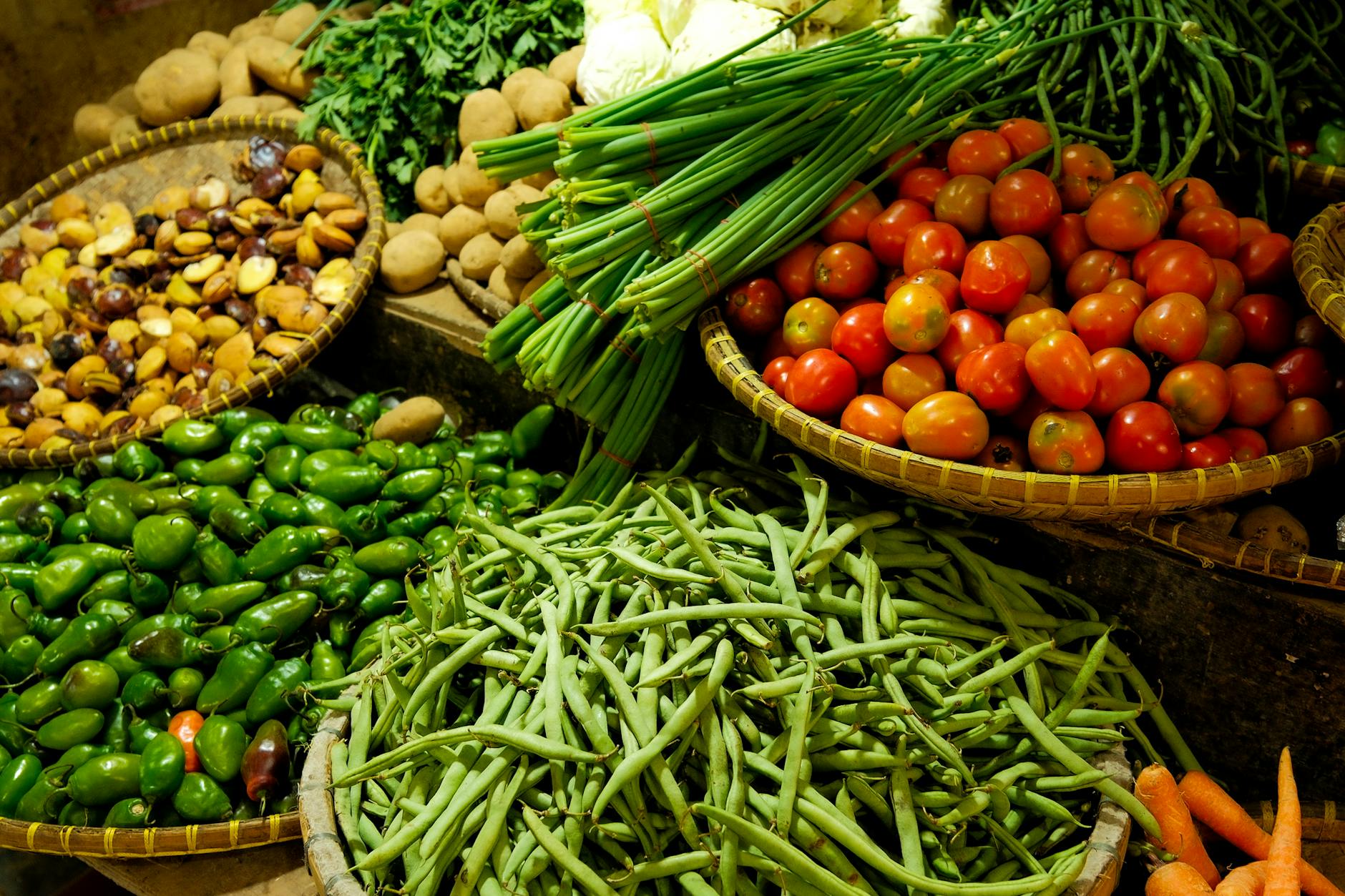
Nanyuki’s produce markets are a colourful, vibrant slice of local life and a practical resource for self-caterers. The highland climate around Nanyuki and Mount Kenya produces superb fruit and vegetables, and the markets overflow with fresh produce — tomatoes, potatoes, greens, avocados, bananas, mangoes, passion fruit and much more — at very low prices. Even if you’re not cooking, wandering the market is a sensory pleasure and a window into everyday Nanyuki, full of colour, bustle and friendly traders. For those self-catering, camping or assembling a picnic, the markets (and the supermarkets) are where to stock up on fresh, cheap, local food. Bring small notes and a bag, and enjoy the experience.
Supermarkets and Malls
For everyday supplies, Nanyuki has modern supermarkets (Naivas and others) and small malls like Cedar Mall, where you’ll find groceries, toiletries, snacks, drinks, bakeries, delis and general goods — everything you need to provision for a self-drive trip, a self-catered stay, or just to top up. This is the place to buy bottled water, sunscreen, snacks for the road, and anything you’ve forgotten to pack, as covered in our packing list. The supermarkets accept cards and are well stocked, making Nanyuki the obvious place to sort supplies before heading to remote conservancies where shops are scarce or non-existent. Treat the town as your provisioning base.
What to Buy: The Best Souvenirs
If you want to take home a piece of Laikipia, a few things stand out. Handwoven textiles from the Nanyuki Spinners and Weavers — rugs, throws, scarves — are high quality and meaningful. Maasai beadwork — colourful jewellery, belts and sandals — is iconic and portable. Soapstone and wooden carvings make characterful gifts. Kikoi and kanga cloth are versatile, packable and useful. Kenyan coffee and tea, grown in the highlands, are excellent, consumable souvenirs. And local artwork captures the landscape and wildlife. Buying these crafts directly from artisans and cooperatives supports local livelihoods, making your souvenirs a small act of good as well as a memento. Choose authentic, locally made items over mass-produced imports.
How to Bargain
Bargaining is part of the culture at curio markets and with craft sellers (though not at supermarkets or fixed-price shops), and doing it well is a small art. The opening price is usually high, aimed at tourists, so a friendly back-and-forth is expected — aim to settle somewhere around half to two-thirds of the asking price, but let the quality and your interest guide you. Keep it good-humoured and respectful; this is a social transaction, not a battle. Carry small denominations of Kenyan shillings for easier haggling, be prepared to walk away (often the best bargaining tool), and remember that the difference of a few hundred shillings means far more to the seller than to you. Bargain fairly, pay a price you’re both happy with, and enjoy the exchange.
Shopping Responsibly
How and where you shop matters. Favour buying directly from artisans, cooperatives like the weavers, and local markets, so your money supports the community rather than middlemen — a tangible way to make your visit benefit local people, in keeping with Laikipia’s whole ethos. Avoid buying anything made from wildlife products (ivory, animal skins, shells from threatened species), which is illegal, unethical and harmful to the conservation the region works so hard for. Choose authentic, locally made crafts over imported mass-produced goods. And bargain fairly, paying a price that’s reasonable for both sides. Responsible shopping turns your souvenir-hunting into a positive contribution, supporting the livelihoods that make community-based conservation work — see our conservation tourism guide.
Practical Shopping Tips
A few final pointers. Carry cash, especially small notes, for markets, curios and tips, though supermarkets and larger shops take cards (our money guide has detail). Bring a reusable bag, as plastic bags are banned in Kenya. Shop for supplies in Nanyuki before heading to remote areas where shops vanish. Allow time to browse and chat — shopping here is a social, unhurried pleasure, not a rushed transaction. And consider how you’ll pack and carry purchases home, given the soft-bag, weight-limited safari flights (textiles pack flat; fragile carvings need care). With a little planning, shopping in Nanyuki is a genuine highlight rather than a chore.
When and Where to Shop
Knowing the rhythm of the town helps you shop well. Nanyuki’s main shopping is concentrated in and around the town centre: the supermarkets and Cedar Mall, the curio shops, the covered and open-air produce markets, and the craft sellers. Most shops and supermarkets open through the day, six or seven days a week, while the produce markets are busiest and best stocked in the mornings, when the freshest goods arrive. Market days bring extra bustle and choice. The Nanyuki Spinners and Weavers and the curio stalls keep daytime hours, so plan craft shopping for the morning or early afternoon rather than the end of the day. If you’re provisioning before heading to a remote conservancy, do it during the day when everything is open and well stocked. A morning spent browsing the markets and craft shops, with the freshest produce and the fullest curio displays, is the most rewarding way to shop in Nanyuki.
Coffee, Tea and Edible Souvenirs
Some of the best things to take home from Nanyuki are edible. The highlands around Mount Kenya produce superb coffee and tea, and packets of quality Kenyan beans or loose-leaf tea make excellent, affordable, packable gifts that capture a real taste of the region. Look for them in the supermarkets, cafes and specialist shops; some local roasters and estates sell directly. Kenyan honey, jams, spices, and snacks like cashews and macadamia nuts (grown in Kenya) are other good consumable souvenirs. These edible gifts are lightweight, pack flat, sail through customs more easily than crafts, and let friends and family back home literally taste your trip. For coffee lovers especially, a bag of freshly roasted Kenyan beans bought near where they were grown is a souvenir that’s hard to beat — and a lovely way to remember Nanyuki long after you’ve left.
Shopping for Your Safari: Gear and Essentials
Nanyuki is also the practical place to pick up anything you need for the safari itself. The supermarkets and shops stock sunscreen, insect repellent, hats, batteries, torches, basic toiletries, bottled water and snacks — all the small essentials that are easy to forget and hard to find once you’re out in the conservancies. If you’ve arrived underprepared, this is your last good chance to stock up before heading into remote areas where shops are scarce or non-existent. While Nanyuki isn’t a place for specialist outdoor gear (bring your own binoculars, proper boots and camera kit from home — see our packing list), it covers the everyday consumables and basics very well. Treat the town as your final provisioning stop: tick off the essentials here, and you won’t be caught short in the bush where replacing even simple items can be impossible.
Art, Books and Home Decor
Beyond the classic curios, Nanyuki offers some lovely options for art and home decor. Local artists produce paintings and prints capturing the landscapes, wildlife and people of Laikipia, sold in galleries, shops and at markets — a distinctive way to take home the region’s beauty. The handwoven rugs, throws and textiles from the Nanyuki Spinners and Weavers double as striking home pieces, as do soapstone bowls, carved wood, woven baskets and beaded decor. These make characterful additions to a home and meaningful reminders of your trip. For readers, look out for books on Kenyan wildlife, conservation, history and the region, which make thoughtful souvenirs and deepen your understanding of where you’ve been. Shopping for art and decor turns souvenir-hunting into something more personal than fridge magnets — pieces you’ll live with and that carry a story, supporting local artists and craftspeople in the process.
Getting Your Purchases Home
A little forethought saves trouble when bringing purchases home. Remember that safari flights from Nanyuki’s airstrips have strict weight limits and favour soft bags, so bulky or heavy items need planning — textiles and cloth pack flat and travel well, while carvings and fragile pieces need careful wrapping and padding. Buy a cheap woven bag at the market to carry extras if needed. For larger items, some shops can arrange shipping, though it adds cost and time. Crucially, never buy anything made from wildlife products (ivory, skins, shells of protected species) — it’s illegal, unethical and will cause serious problems at customs. Keep receipts for valuable purchases. Check your home country’s customs rules on bringing in plant and animal products, including some crafts. With sensible packing and ethical choices, getting your Nanyuki treasures home is straightforward, and they’ll be all the more cherished for the journey.
A Shopping Morning in Nanyuki
If you have a free morning, a relaxed shopping circuit makes a lovely way to spend it. Begin early at the produce market while the fruit and vegetables are freshest, soaking up the colour and bustle and picking up snacks or picnic supplies. From there, visit the Nanyuki Spinners and Weavers to watch the wool being spun and woven, and choose a rug, throw or scarf with real provenance. Browse the curio shops and craft stalls for beadwork, carvings and textiles, bargaining good-humouredly as you go. Pause for coffee and cake at a cafe to rest your feet, then finish at a supermarket or Cedar Mall to stock up on coffee, tea and any safari essentials. End at the equator stalls if you’re heading that way. Carry small notes, bring a reusable bag (plastic bags are banned in Kenya), and take your time — shopping in Nanyuki is an unhurried, sociable pleasure best savoured rather than rushed, and a genuine highlight of a stay in town.
Frequently Asked Questions
Where is the best place to buy Kenyan coffee in Nanyuki?
The supermarkets, cafes and specialist shops in town stock quality Kenyan coffee grown in the surrounding highlands, and some local roasters and estates sell directly. A bag of freshly roasted beans bought near where it was grown makes an excellent, affordable, packable souvenir — and a lovely way to remember the region long after your trip.
What are the market days in Nanyuki?
Nanyuki’s produce markets operate through the week and are busiest and best stocked in the mornings, with particular market days bringing extra bustle and choice. Supermarkets and the malls open daily through the day. For the freshest produce and fullest curio displays, shop in the morning rather than late afternoon.
Can I pay by card or M-Pesa when shopping in Nanyuki?
Supermarkets, malls and larger shops accept cards, and M-Pesa mobile money is accepted almost everywhere, including many small traders. Curio markets, craft sellers and produce stalls prefer cash, so carry small denominations of Kenyan shillings for these. Our money guide explains payment options in detail.
Is it safe to shop in Nanyuki’s markets?
Yes, Nanyuki’s markets are generally safe and friendly. Take normal precautions: keep an eye on your belongings, don’t flash large amounts of cash, and carry small notes. The atmosphere is welcoming and the traders are used to visitors. Bargain good-humouredly at the curio stalls and enjoy the experience.
Can I ship souvenirs home from Nanyuki?
Some shops can arrange shipping for larger items, though it adds cost and time. For most purchases, packing them in your luggage is simpler — textiles pack flat, while carvings need careful wrapping for the weight-limited safari flights. Never buy or ship wildlife products, which are illegal and will cause customs problems.
What can you buy in Nanyuki?
Authentic Kenyan crafts — handwoven textiles from the Nanyuki Spinners and Weavers, Maasai beadwork, soapstone and wooden carvings, kikoi and kanga cloth, baskets, local art, and excellent Kenyan coffee and tea. Plus fresh produce at the markets and everyday supplies at supermarkets and malls. It’s the best shopping in Laikipia.
What is the Nanyuki Spinners and Weavers?
A women’s cooperative where wool is spun, dyed and handwoven into beautiful rugs, throws and scarves. You can watch the work in progress and buy high-quality, distinctive textiles while supporting a community enterprise that provides income for local women — a meaningful, must-visit Nanyuki shopping experience.
Where can I buy souvenirs in Nanyuki?
At the curio shops and craft markets in town, the Nanyuki Spinners and Weavers cooperative, and the curio sellers at the nearby equator. These offer authentic Maasai beadwork, carvings, textiles and crafts. Buying directly from artisans and cooperatives supports local livelihoods and gets you genuine, characterful souvenirs.
Should I bargain when shopping in Nanyuki?
Yes, at curio markets and with craft sellers (but not at supermarkets or fixed-price shops). Opening prices are aimed at tourists, so haggle good-humouredly toward roughly half to two-thirds of the asking price, guided by quality. Carry small shilling notes, be willing to walk away, and keep it friendly.
Where do I buy supplies before a safari in Nanyuki?
At the supermarkets (Naivas and others) and malls like Cedar Mall, which stock groceries, water, snacks, toiletries and general goods, plus the fresh produce markets. Nanyuki is the last good place to provision before heading to remote conservancies where shops are scarce, so stock up here.
Shopping sorted — explore more of the town with our guides to restaurants and cafes, day trips, and the complete Nanyuki town guide.