Last updated: June 2026
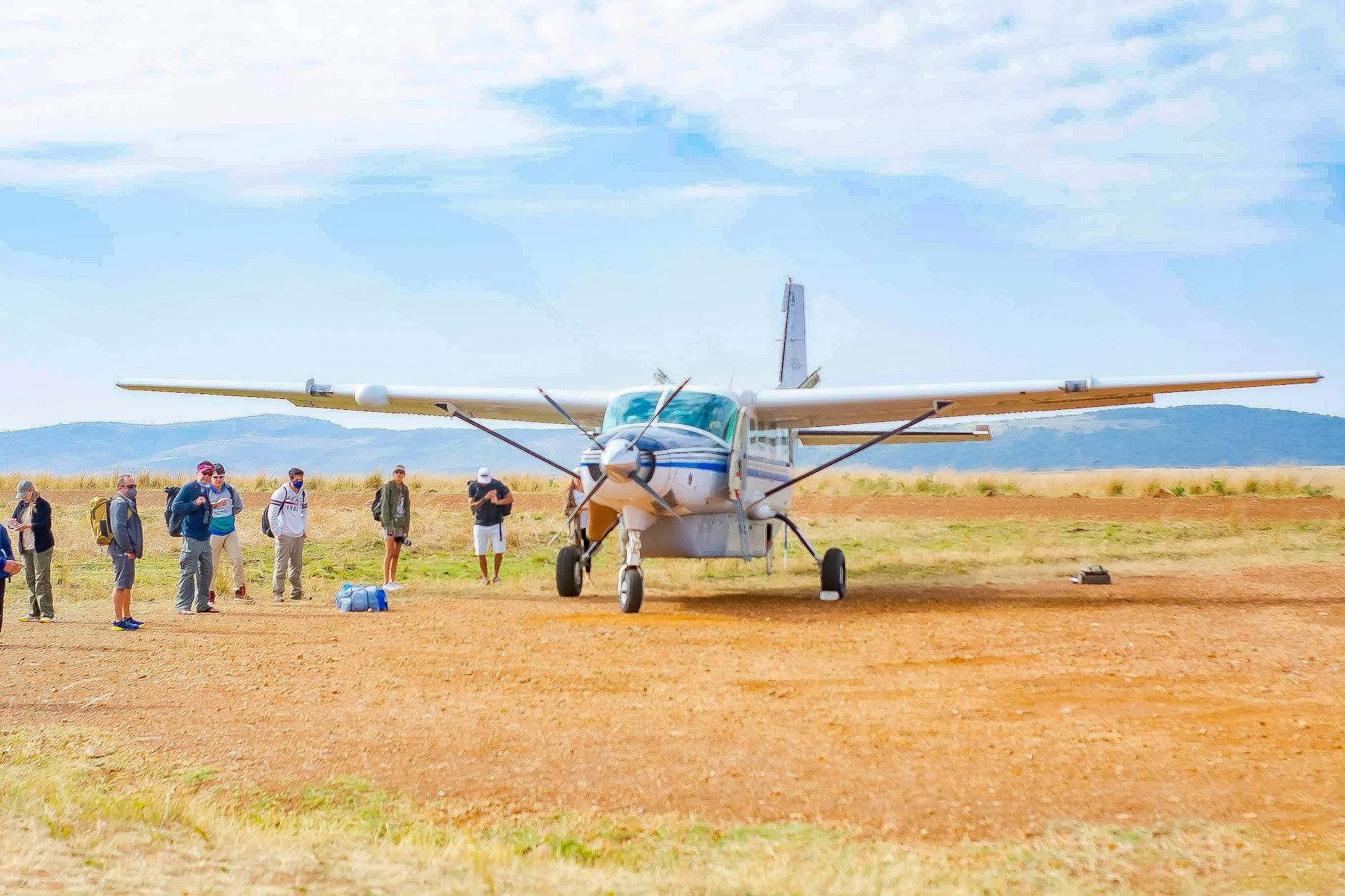
Don’t picture a terminal with departure boards and duty-free. Nanyuki Airport is a small, friendly airfield on the edge of town — a single strip, a modest building, and the cheerful chaos of safari-goers swapping their suitcases for soft duffel bags. For most visitors flying into Laikipia, this is the point of arrival, and understanding how it works makes the whole journey smoother. This guide covers the airlines, the schedules, the all-important luggage rules, how to connect onward to your conservancy, and the practical quirks of flying into Kenya’s safari highlands.
It’s worth a quick word on names. Nanyuki has a civilian airfield used by the scheduled safari airlines, alongside a separate military airbase — as a tourist you’ll use the civilian side, and your airline and lodge will direct you to exactly the right spot. Let’s walk through everything you need to know.
Where Is Nanyuki Airport?
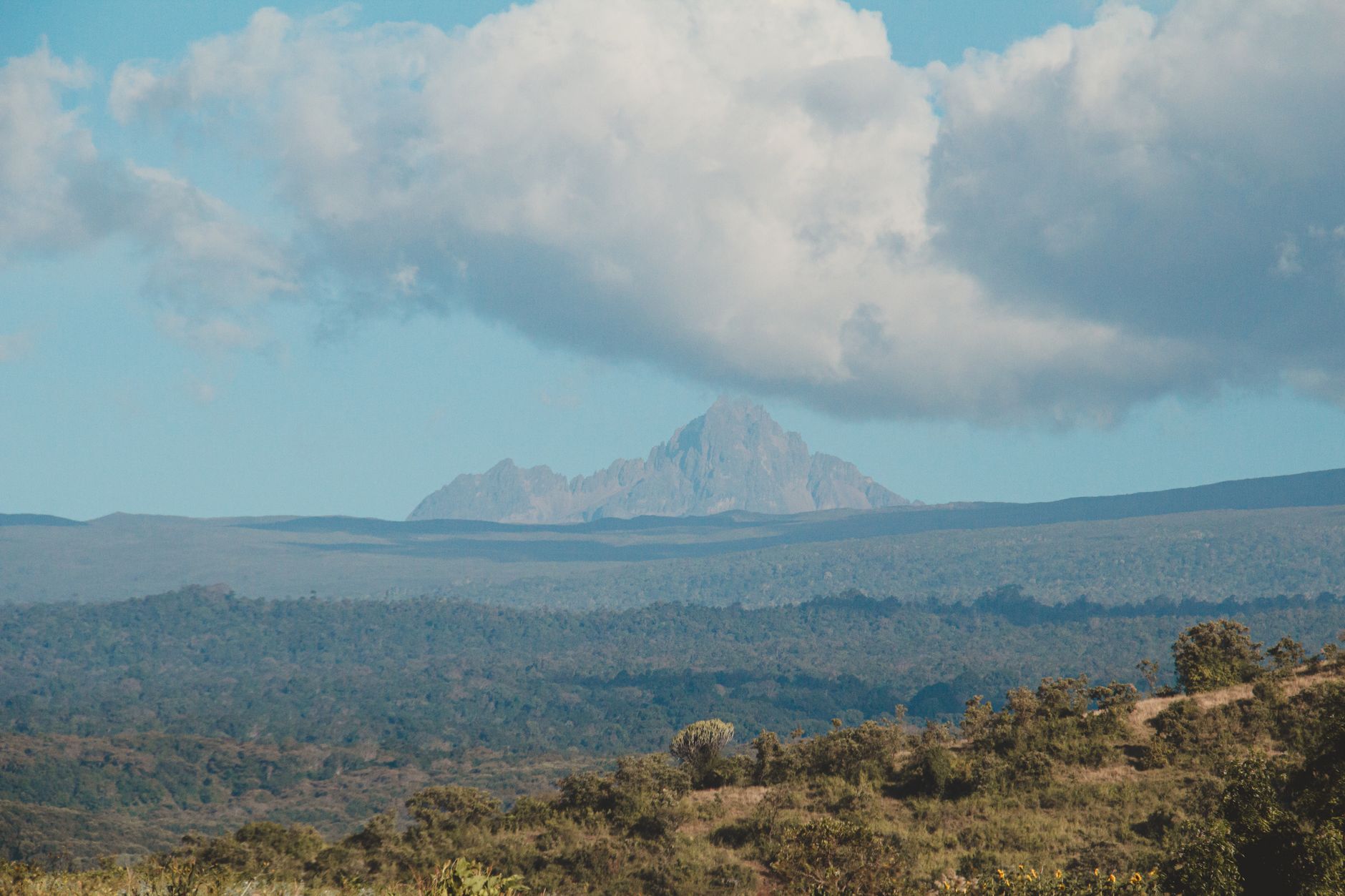
The airfield sits just outside Nanyuki town, the gateway to the Laikipia plateau, almost exactly on the equator in the shadow of Mount Kenya. Its position makes it the natural hub for the central conservancies: Ol Pejeta is around 30–45 minutes away by road, and many lodges send a vehicle to collect you directly from the strip. For more remote properties, you may instead fly to a conservancy’s own airstrip — but Nanyuki remains the busiest and most central gateway.
Airlines Flying to Nanyuki
Two scheduled carriers serve Nanyuki, both flying from Nairobi’s Wilson Airport (the domestic and safari hub, distinct from the big international JKIA):
Safarilink operates scheduled flights to Nanyuki, typically twice daily, often on the same routing that serves Lewa, Samburu and other northern strips. AirKenya also flies the Nairobi–Nanyuki route. Between them they give you good morning and early-afternoon options, which is plenty for connecting from an overnight international arrival. Schedules shift seasonally, so always confirm current times when you book; your lodge or operator will usually coordinate this for you.

The Flight from Nairobi
The hop from Wilson Airport to Nanyuki takes well under an hour and is one of the loveliest short flights in Kenya — you climb out over Nairobi, skirt the Aberdare range, and watch Mount Kenya fill the window before dropping onto the plateau. Compared with three to four hours on the road, it’s a transformative time saving, and it lands you fresh and ready for your first game drive. Remember that Wilson is a separate airport from JKIA, where international flights arrive; you’ll need a 30–60 minute road transfer across Nairobi between the two, so allow a comfortable connection of at least three to four hours. We cover the full arrival sequence in our guide to getting to Laikipia.
Baggage Limits: The Critical Detail
This is the single most important thing to know, and the one that catches people out. Because the safari aircraft are small turboprops, baggage is strictly limited — generally around 15 kg (33 lb) per person, including hand luggage, and bags must be soft-sided so they fit the aircraft’s hold. A rigid wheeled suitcase simply won’t do. The airlines do enforce this, and excess or hard luggage may be refused or charged.
The practical solution: travel with a soft holdall or duffel, pack light, and if you’re spending time in Nairobi before or after, leave a hard case in storage at your city hotel. Some operators can arrange extra baggage allowance or freight for a fee if booked in advance. Our Laikipia packing list is built around exactly this constraint.
Check-In and Airport Procedures
Procedures at Wilson and Nanyuki are refreshingly simple. For departures from Wilson, check in at least 60 minutes before your scheduled time; the safari airlines have their own check-in desks. Nanyuki itself is tiny — arrivals are quick, your bags come off the plane within minutes, and your transfer driver is usually waiting just outside. There’s no jet bridge, no lengthy security theatre; it’s all very human-scale. Keep your printed or digital flight confirmation handy, and have your eTA sorted before you ever reach Kenya.

Connecting to Your Conservancy
Once you land at Nanyuki, the final leg to your lodge is usually arranged by the property. Central conservancies like Ol Pejeta are a short drive; others are further. If your lodge is on a conservancy with its own airstrip — Lewa, Loisaba and several others have them — your scheduled or charter flight may land there instead of Nanyuki, dropping you minutes from your bed. Always confirm at booking which strip you’re flying into and who is meeting you, as it changes the logistics entirely.
Charter Flights and Private Airstrips
Beyond the scheduled services, private charters can land you on almost any conservancy airstrip in Laikipia, which is ideal for groups, remote lodges, or multi-region itineraries that skip Nairobi. Lodges and operators arrange these, and while pricier per trip, the cost divides well across a family or party and saves long road transfers. Charters also make it easy to hop between Laikipia and neighbouring safari regions like Samburu and the Mara.
Driving as an Alternative
If flying doesn’t suit — too much luggage, a tight budget, or a dislike of small planes — Nanyuki is an easy three-to-four-hour drive from Nairobi on the tarmac A2, and you can self-drive or take a private transfer. We compare the options fully in our guides to getting to Laikipia and self-driving in Laikipia.
Tips for Flying into Nanyuki
Pack soft and light. The 15 kg soft-bag limit is non-negotiable on safari flights — plan your packing around it.
Allow a long Nairobi connection. JKIA and Wilson are different airports; leave three to four hours minimum.
Book early in peak season. Small planes mean limited seats; reserve well ahead for high season.
Confirm your airstrip. Know whether you’re landing at Nanyuki or a conservancy strip, and who’s collecting you.
Carry valuables and meds in your day bag. Keep cameras, documents and medication on you, not in checked luggage.
A Quick Orientation to Nanyuki
Because Nanyuki is where most flights land, it’s worth knowing the town a little. Sitting on the equator at around 1,950 m, it’s a bustling, pleasant highland town that serves as Laikipia’s supply hub, with supermarkets, banks and ATMs, hospitals, fuel, restaurants and craft markets. Many visitors spend an hour or two here picking up cash, a SIM card or last-minute supplies before heading to their lodge, and it makes a handy base for day trips to Ol Pejeta, the equator and Ngare Ndare Forest. Our Nanyuki town guide covers it in full.
Flying with Camera Gear and Excess Baggage
Photographers and anyone with more than 15 kg need a plan. Options include: arranging extra baggage allowance with the airline in advance (sometimes possible for a fee, subject to space), booking an extra “freight” seat for gear on a charter, or leaving non-safari items in storage at your Nairobi hotel. Keep cameras, lenses and valuables in your carry-on day bag regardless. Soft camera bags pack better than rigid cases into the small holds. If photography is central to your trip, discuss baggage with your operator early — it’s far easier to solve before you fly than at the check-in desk. See our photography guide for what gear is genuinely worth bringing.
Other Airstrips in Laikipia
Nanyuki is the main gateway, but it’s far from the only landing option. Several conservancies — Lewa, Loisaba and others — have their own airstrips served by scheduled flights or charters, letting you land minutes from your lodge rather than facing a road transfer from Nanyuki. When you book, check whether your itinerary routes you through Nanyuki or directly to a conservancy strip, as it changes your arrival logistics and the transfer at the far end. For remote northern lodges, flying direct to the nearest strip can save hours of bumpy driving.
If Your Connection Is Tight or Delayed
Safari flight schedules can shift, and the JKIA–Wilson handoff is the pinch point. Always allow at least three to four hours between an international arrival and a domestic safari flight, since you must clear immigration and transfer between two separate airports across Nairobi traffic. If your international flight is delayed and you miss the day’s safari flight, the airlines and your operator can usually rebook you onto the next service or arrange an overnight in Nairobi — another reason to build the trip with a good operator and to hold travel insurance that covers missed connections. Keep everyone’s contact numbers handy.
Why Fly Rather Than Drive?
For many visitors the flight is worth every shilling. It turns a half-day road journey into under an hour, lands you fresh rather than road-weary, and delivers unforgettable aerial views of Mount Kenya and the Aberdares. For short trips especially, the time saved is time spent on safari instead of in a vehicle. Driving still wins on budget, flexibility and luggage, and some travellers genuinely enjoy the road — so weigh it against your priorities, as we do in our guide to getting to Laikipia.
Comfort on Small Aircraft
If you’ve only flown on big jets, the little turboprops can feel novel. They’re safe and the pilots are experienced, but the cabins are compact, the ride can be bumpier in the heat of the day, and there’s no separate cabin crew or galley. A few tips help: choose a morning flight if you’re prone to motion sickness (smoother air), keep travel-sickness remedies in your day bag, and don’t worry about the low cruising altitude — it’s what gives you those spectacular close-up views of Mount Kenya and the plains. Window seats are the prize. The flights are short, scenic and over before you know it.
Luggage Storage in Nairobi
Because of the strict soft-bag, ~15 kg limit on safari flights, many travellers store excess luggage in Nairobi. If you’re spending a night in the city at either end of your trip, most hotels will hold a hard suitcase for you free of charge while you’re on safari, and there are luggage-storage facilities near the airports too. This lets you bring city clothes, dive gear or a hard case for the international legs without breaching the safari-flight limit. Pack a separate soft bag for the bush portion and leave the rest behind — you’ll collect it on the way back through Nairobi.
Booking Your Flights
Seats on the safari airlines are limited because the planes are small, so book early, especially in peak season (the dry months and the December holidays). Most travellers let their lodge or tour operator book the domestic legs, since they’ll align the timings with your lodge transfers and know the quirks of the schedules; you can also book direct with the airlines online. Build a generous buffer from your international arrival, double-check which airstrip you’re flying to, and reconfirm timings a day or two before, as schedules can flex. For the bigger journey picture, see our guide to getting to Laikipia.
Flying the Wider Safari Circuit
One of the quiet joys of Kenya’s safari airlines is how they let you join the dots. From Nanyuki and the conservancy strips you can connect, usually via a brief touchdown at Wilson, to the Masai Mara, Amboseli, Samburu, the coast and beyond — building a multi-region adventure without long backtracking drives. Samburu in particular lies just north and pairs beautifully with a Laikipia leg. If you’re planning this kind of trip, let an operator sequence the flights, as the timings and connections need care, and check baggage rules apply consistently across each hop. Our guide to combining Laikipia with other destinations has the routing ideas.
Same-Day Arrivals and Departures
It is possible to land internationally and reach a Laikipia lodge the same day, provided your international flight arrives in the morning and connects to an afternoon safari flight — but build the connection generously, allowing three to four hours minimum for immigration and the cross-Nairobi transfer between JKIA and Wilson. On departure, plan the reverse with the same care: a morning flight back to Wilson leaves comfortable time for an international evening departure. If your timings are tight or your international flight is overnight, an airport hotel night in Nairobi removes all the stress and is well worth it. Don’t gamble a missed safari flight on a 90-minute connection.
Who Coordinates the Logistics?
For most visitors, the lodge or tour operator stitches the journey together — booking the domestic flights to align with transfers, arranging the vehicle to meet your plane, and stepping in if a connection slips. This is one of the genuine values of booking through a good operator: someone owns the hand-offs so you don’t have to. If you’re arranging things independently, you become that coordinator, so confirm every leg in writing, keep contact numbers for each, and leave comfortable buffers. Either way, knowing who is meeting you, where, and how to reach them is the single most reassuring thing to have sorted before you fly into Nanyuki.
Making the Most of the Flight
The short hop into Nanyuki is genuinely one of the highlights of the journey rather than mere transit, so set yourself up to enjoy it. Grab a window seat if you can, keep your camera in your lap (the views of Mount Kenya and the Aberdares are superb), and have a light layer handy, as small cabins can be cool at altitude and warm on the ground. Keep travel-sickness remedies within reach if you’re sensitive to bumps, which are more likely in the warmer afternoon air. There’s no in-flight service to speak of, so carry water and a snack.
On arrival the whole process is delightfully quick — you’re off the plane, reunited with your soft bag and greeted by your transfer driver within minutes, often stepping straight into a safari vehicle. It’s the antithesis of a big-airport scrum, and a gentle, fitting introduction to the unhurried pace of the plateau. For everything that happens before and after this flight, our guide to getting to Laikipia walks through the full journey.
Frequently Asked Questions
Which airlines fly to Nanyuki?
Safarilink and AirKenya operate scheduled flights to Nanyuki from Nairobi’s Wilson Airport, generally a couple of times a day. Schedules vary by season, so confirm current times when booking.
How long is the flight from Nairobi to Nanyuki?
Under an hour. It departs from Wilson Airport (not JKIA), so allow a 30–60 minute transfer across Nairobi and a comfortable overall connection of three to four hours from an international arrival.
What is the luggage limit on flights to Nanyuki?
Around 15 kg (33 lb) per person including hand luggage, in soft-sided bags only, due to the small aircraft. Hard suitcases aren’t accepted, and excess baggage may be charged or refused. Pack light in a duffel.
Is Nanyuki Airport the same as the military base?
No. Nanyuki has a civilian airfield used by the scheduled safari airlines and a separate military airbase. As a tourist you’ll use the civilian side; your airline and lodge will direct you to the right place.
How do I get from Nanyuki Airport to my lodge?
Your lodge or conservancy almost always arranges the transfer, often in a safari vehicle. Central conservancies like Ol Pejeta are 30–45 minutes away; remote ones are further. Confirm pickup details when you book.
Flying into Nanyuki is the easy way into the plateau. Plan the rest with our Laikipia travel planning guide and the complete guide to Laikipia Kenya.