Last updated: June 2026
Here’s what makes birding Laikipia genuinely special, and not just another Kenyan bird list: this is where southern Kenya’s familiar species give way to the birds of the arid north — the “northern Kenya specials.” These are the dry-country birds adapted to the semi-arid frontier beyond the highlands, species that birders travel a long way to see and that you simply won’t find in the Mara or Amboseli. Chief among them is the gloriously gaudy vulturine guineafowl, but it’s joined by the Somali ostrich, the golden-breasted starling and a cast of others. This guide celebrates the vulturine guineafowl and northern Kenya specials of Laikipia — what they are, why they matter, and where to find them.
For the keen birder, these specials are the jewels of a Laikipia trip; for everyone else, they’re a delightful introduction to just how varied and surprising African birdlife can be.
What Are the “Northern Specials”?
The northern Kenya specials are bird species characteristic of the hot, dry, semi-arid country of northern Kenya — the rangelands and bush beyond the central highlands. Laikipia sits right at the transition zone between the fertile highlands and this arid north, which is precisely why it hosts both worlds of birds, as we explore in our ecosystem guide. The “specials” are the dry-country species that reach their southern limit (or are most accessible) here, prized by birders because seeing them usually means travelling to remote northern Kenya — yet Laikipia, especially its northern conservancies, brings many within reach on a comfortable safari. They give the Laikipia bird list its distinctive northern flavour.
The Vulturine Guineafowl
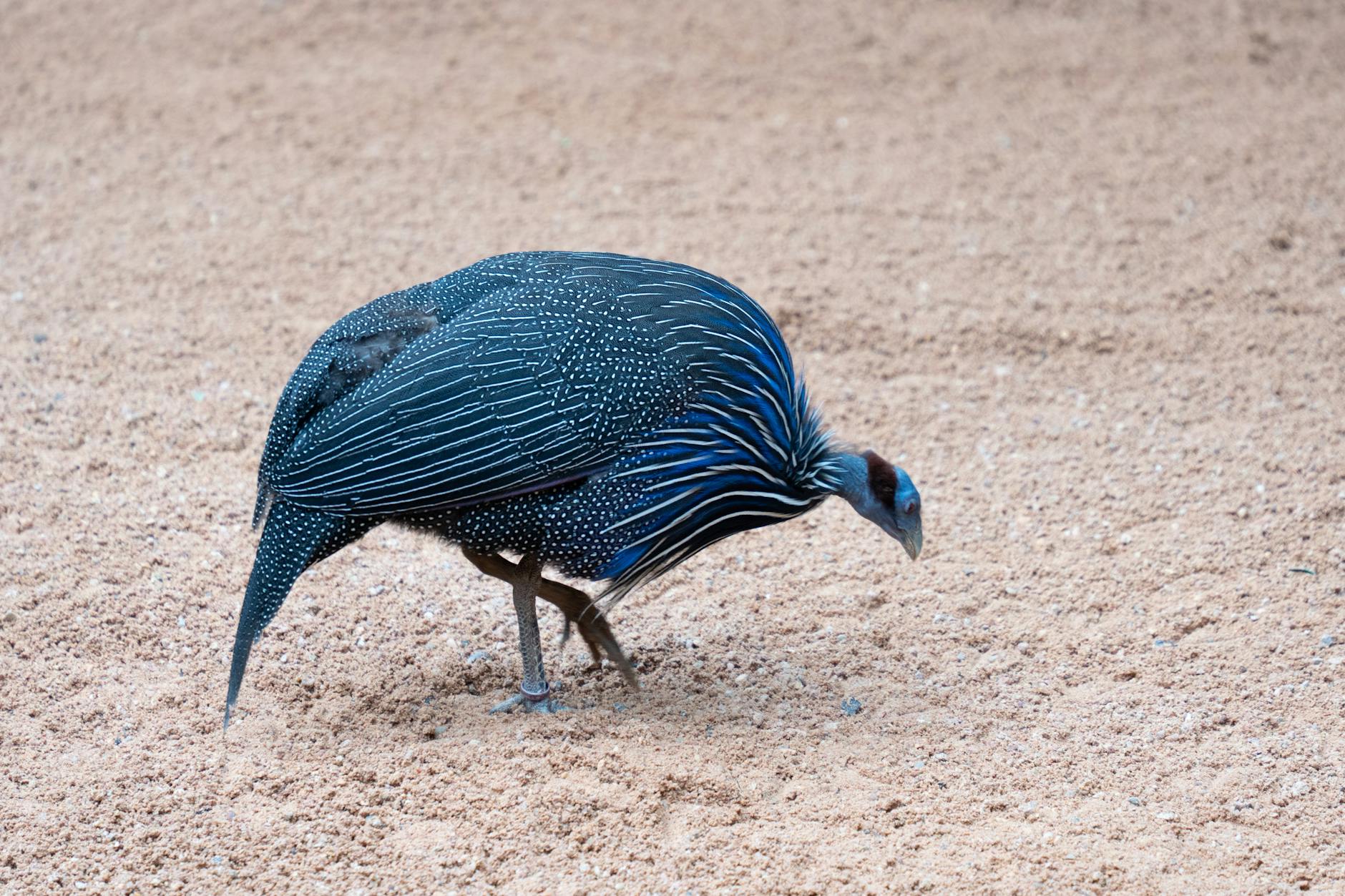
If the northern specials have a poster bird, it’s the vulturine guineafowl — and it’s a stunner. The largest and most spectacular of the guineafowls, it has a bare, bluish, vulture-like head and neck (hence the name), a cobalt-blue breast, and a cape of long, white-streaked black-and-blue hackle feathers that it shows off in display. Moving in busy flocks across the dry bush, often running rather than flying, these birds look almost too exotic to be real — like peacocks reimagined for the desert. They’re a Laikipia highlight that delights birders and non-birders alike. Watching a flock of vulturine guineafowl strut and forage, their blue breasts catching the light, is one of the small, distinctive joys of birding the plateau’s drier country.
The Somali Ostrich
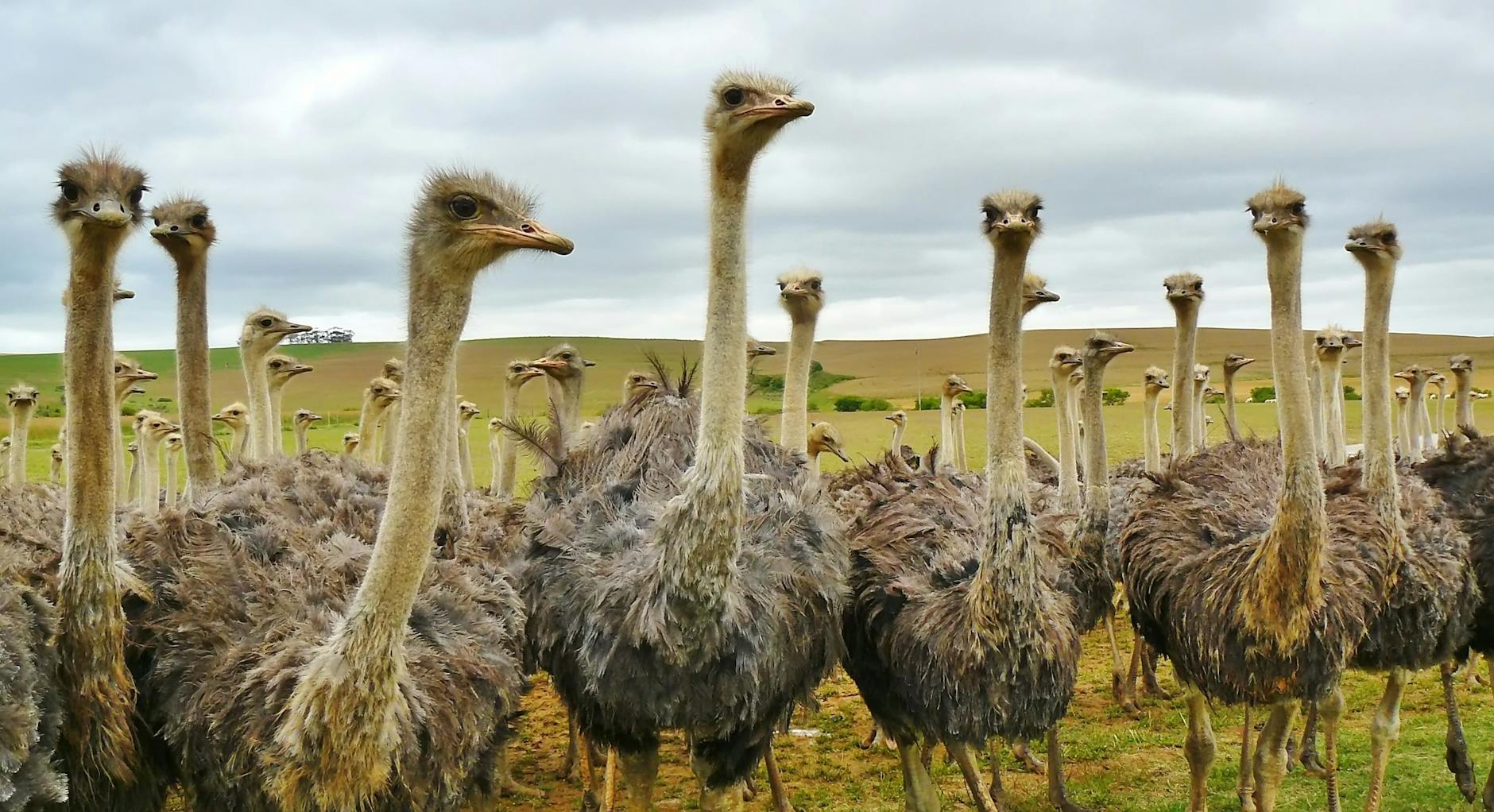
Laikipia hosts the Somali ostrich, a northern special distinct from the more widespread common ostrich. The key difference is colour: the male Somali ostrich has blue-grey (rather than pink) bare skin on its neck and legs, especially vivid in the breeding season, and there are subtle plumage differences too. As a bird of the arid north, its presence in Laikipia reflects the plateau’s transitional position, and seeing it — the world’s largest living bird striding the plains — is always impressive. For birders keeping a careful list, distinguishing the Somali from the common ostrich is a satisfying northern-specials tick; for everyone else, any ostrich is a magnificent sight, all the more so knowing this is the rarer, more localised of the two.
The Golden-Breasted Starling
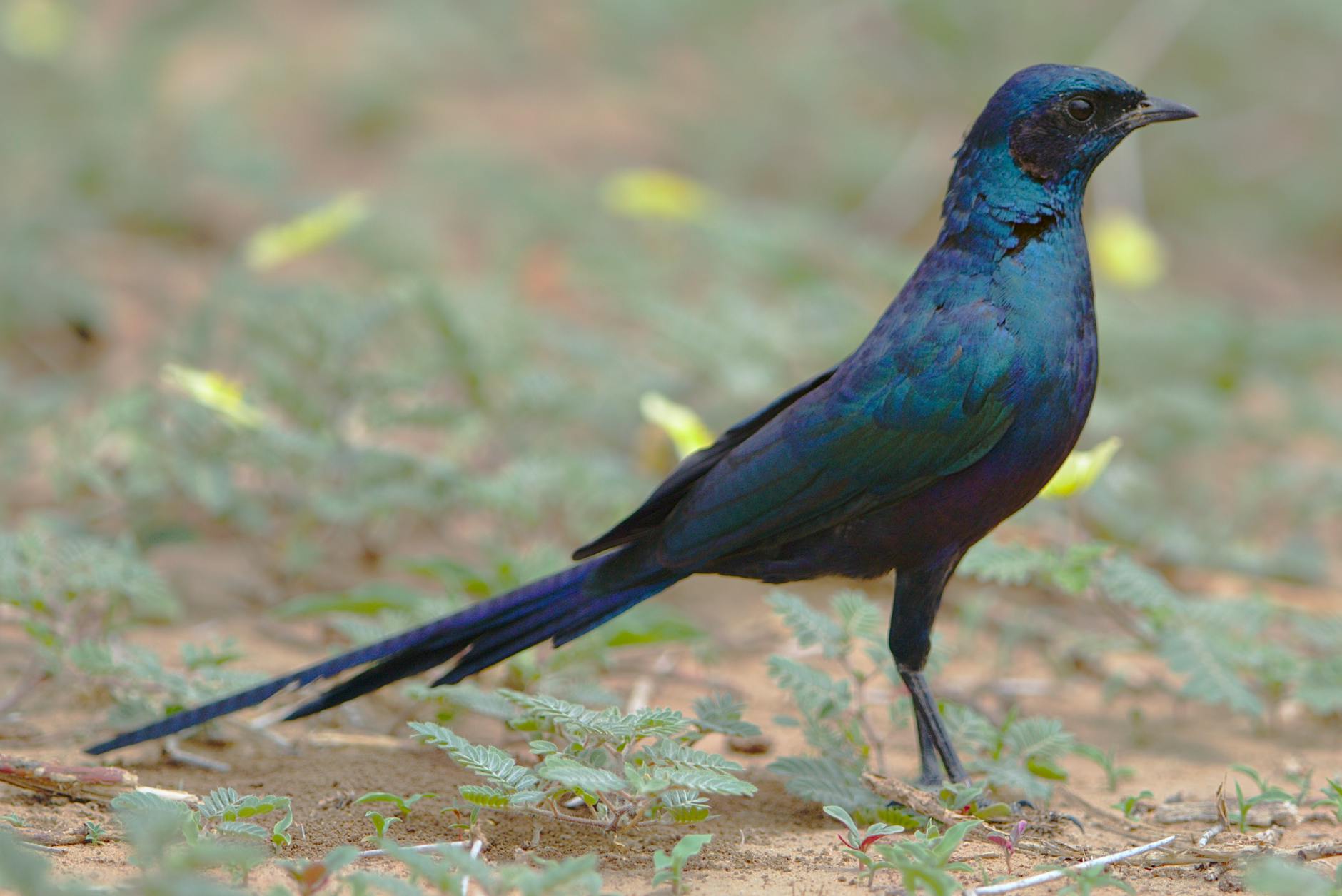
Among the most beautiful of all the northern specials is the golden-breasted starling — a slender, long-tailed starling that looks as though it’s been dipped in precious metals. Its breast and belly glow rich golden-yellow, its head and back shimmer electric metallic blue-green, and its long tail streams behind it. A bird of dry acacia country, it’s far less widespread than the ubiquitous superb starling and a genuine treat to encounter in Laikipia’s drier areas. Catching the sun, a golden-breasted starling is simply dazzling, and it’s one of those species that makes even casual observers stop and stare. For birders, it’s a coveted northern special; for photographers, an irresistible subject.
Other Dry-Country Specials
Beyond the headline trio, Laikipia’s arid areas hold a range of other dry-country birds that thrill birders. Look for sandgrouse (chestnut-bellied, black-faced and others) flying to water in the cool of the day; coursers running across open ground; the localised bustards of dry country; arid-zone larks and pipits; the striking von der Decken’s hornbill and other dry-country hornbills; the red-and-yellow barbet; various weavers and sparrow-weavers of the bush; and the comical northern ground hornbill. Each is a species more typical of the northern rangelands than the southern parks, and together they give Laikipia birding its distinctive character. A patient morning in the northern conservancies can turn up a remarkable haul of these specials.
Where to Find the Specials
The northern specials are, unsurprisingly, found in Laikipia’s drier, more northern habitats. Head to the northern conservancies — Loisaba, Mugie and the community conservancies toward the Samburu frontier — where the arid bush and open rangeland suit these dry-country birds. The vulturine guineafowl and many specials can also be found in the drier parts of the more central conservancies. Birding the early morning, around water sources, and through the acacia bush gives the best chance. A guide who knows the specials and their haunts is invaluable. Our birding locations guide details where each habitat lies; for the specials specifically, think dry, think north.
Why These Birds Make Laikipia Special
The northern specials are more than a birder’s tick-list — they’re a window into what makes Laikipia ecologically distinctive. Their presence reflects the plateau’s position at the meeting point of two great ecological zones, the highlands and the arid north, which is also why Laikipia’s mammals include northern species like Grevy’s zebra and reticulated giraffe alongside the classic safari cast. This transitional richness is the plateau’s signature, and the birds embody it perfectly: in one trip you can see highland forest turacos, savannah rollers and these arid-zone specials. For birders, that breadth is the whole appeal; for the wider story, it underlines why Laikipia is such an exceptional and important slice of Kenya, as our ecosystem guide explains.
The Conservation Angle
The northern Kenya specials aren’t just birds to tick — many face conservation pressures, and Laikipia’s protected conservancies are increasingly important refuges for them. The arid rangelands they depend on are under pressure across northern Kenya from habitat change, overgrazing and development, so the secure, well-managed habitat of Laikipia’s conservancies offers these dry-country species a stronghold. This is the same conservation model — explored in our conservation tourism guide — that protects the rhino and elephant, benefiting the birds alongside. As a birder, seeing healthy populations of the specials here is both a privilege and a reminder of the value of protected habitat. Your visit and conservancy fees help sustain the landscapes these distinctive birds need, linking your birding directly to their conservation.
How to Tick the Specials
For birders keen to add the northern specials to their list, a deliberate approach helps. Base yourself in or visit the northern conservancies — Loisaba, Mugie and the community conservancies — where the arid habitat suits them. Bird the early morning, when these species are most active, and check around water sources (sandgrouse especially fly to water at predictable times). Work the acacia bush and open rangeland methodically, and use a guide who knows the specials and their haunts. Some, like the vulturine guineafowl, are easy and obvious; others, like particular larks or coursers, take more searching. Patience and the right habitat are the keys. Combine your specials hunt with the broader birding of our locations guide, and you’ll come away with a distinctive northern list.
The Specials by Habitat
Different specials favour different niches within the arid country. Open rangeland and short grass hold the Somali ostrich, bustards, coursers and larks. Acacia bush and scrub are home to the golden-breasted starling, dry-country hornbills like von der Decken’s, and various weavers and waxbills. Around water, sandgrouse gather to drink, often in spectacular numbers at set times of day. Rocky and broken ground suits certain chats and other specialists. The vulturine guineafowl ranges widely through the dry bush in its flocks. Knowing these habitat associations helps you and your guide target each special efficiently rather than searching at random. The arid north’s apparent emptiness, to the untrained eye, is in fact full of these niche-adapted birds for those who know where and how to look.
Why Birders Travel for These Species
To understand why the northern specials matter so much to birders, consider geography. Many of these species occur only in the arid Horn of Africa and northern Kenya region, with limited global ranges, so a birder’s “world list” can only include them by visiting this part of the world. Traditionally that meant expeditions to remote, hard-to-reach northern Kenya. Laikipia’s gift is to bring many of these sought-after species within reach on a comfortable, accessible safari, often combined with the Big Five and superb general birding. For a visiting birder, ticking the vulturine guineafowl, Somali ostrich, golden-breasted starling and their arid-country companions is a genuine highlight and a major draw — these are the birds that make a Laikipia list special and distinct from one compiled in southern Kenya or the famous parks.
Enjoying the Specials Beyond the List
Even if you’re not a list-obsessed birder, the northern specials offer pure visual delight. The vulturine guineafowl is simply gorgeous and entertaining to watch as it struts and forages in flocks; the golden-breasted starling glows like a jewel; the Somali ostrich is a magnificent giant; and the dry-country hornbills and other species bring character and colour to the arid landscape. Photographers find them irresistible subjects, as our bird photography guide notes. So whether you’re ticking a world list or simply enjoying beautiful, unusual birds, the northern specials reward attention. They’re a reminder that the apparently austere northern country is, in fact, alive with distinctive and beautiful birdlife — one of the quiet delights of venturing into Laikipia’s wilder, drier reaches.
The Bottom Line on the Northern Specials
The northern Kenya specials are the birds that give Laikipia birding its unique character — dry-country species, found here thanks to the plateau’s position at the meeting of the highlands and the arid north, that you simply won’t see in southern Kenya’s parks. The vulturine guineafowl, Somali ostrich and golden-breasted starling lead a cast of arid-zone birds that thrill listers and casual observers alike. Find them in the northern conservancies, in the right habitats, with a knowledgeable guide and an early start. Seeing them is both a birding privilege and a window into what makes Laikipia ecologically special — the same transitional richness that defines its ecosystem. Add them to your list, and your Laikipia birding becomes truly distinctive.
Photographing the Specials
The northern specials are among the most rewarding bird-photography subjects in Laikipia, combining striking colours with often-cooperative behaviour. The vulturine guineafowl, moving in flocks and frequently on the ground, gives chances for both portraits and flock shots, its cobalt breast glorious in good light. The golden-breasted starling demands you capture its metallic sheen, best in soft golden-hour light. The Somali ostrich offers dramatic large-subject and behaviour shots. As with all bird photography, use a long lens, a fast shutter, focus on the eye, and work the early-morning light. The arid, open habitat of the northern conservancies often gives clean backgrounds that make these colourful birds pop. For photographers, the specials are a chance to capture species rarely photographed elsewhere — a distinctive addition to any portfolio.
Combining the Specials with the Big Game
A lovely aspect of hunting the northern specials is that the same northern conservancies deliver superb big-game and wilderness experiences alongside. Loisaba and the northern reaches offer dramatic scenery, fewer visitors, and the chance to see the northern mammal specials — Grevy’s zebra, reticulated giraffe, gerenuk, Beisa oryx — that mirror the bird specials in being arid-country species at the edge of their range. So a trip targeting the vulturine guineafowl and its avian companions naturally combines with rewarding general safari and a real sense of wilderness. This is the beauty of Laikipia’s north: the bird specials, the mammal specials and the wild landscape come together, rewarding the traveller who ventures beyond the central conservancies into the plateau’s wilder, drier country.
Frequently Asked Questions
What other northern specials should I look for besides the famous three?
Beyond the vulturine guineafowl, Somali ostrich and golden-breasted starling, watch for sandgrouse flying to water, coursers on open ground, dry-country hornbills like von der Decken’s, the red-and-yellow barbet, arid-zone larks and pipits, and various weavers and waxbills of the bush. Together these dry-country birds give a Laikipia list its distinctive northern character, especially in the northern conservancies.
Is the vulturine guineafowl found only in Laikipia?
No — it ranges across the dry country of northeastern Africa, including parts of Kenya, Ethiopia, Somalia and Tanzania. But Laikipia is one of the more accessible places to see it well, on a comfortable safari, which is why it’s celebrated here as a northern Kenya special. Its striking cobalt-and-white plumage makes it a Laikipia birding highlight.
Are the northern specials hard to see?
It varies by species. The vulturine guineafowl and Somali ostrich are large and fairly obvious in the right (drier, northern) habitat, while others like particular larks, coursers and the golden-breasted starling take more searching. Visiting the northern conservancies, birding the early morning and around water, and using a knowledgeable guide make finding them far easier.
What is a vulturine guineafowl?
The largest and most spectacular guineafowl, found in the dry country of northern Kenya including Laikipia. It has a bare, bluish, vulture-like head (hence the name), a cobalt-blue breast, and a cape of long white-streaked hackle feathers. Moving in flocks through the bush, it’s a striking northern Kenya special and a Laikipia birding highlight.
What are the northern Kenya bird specials?
Dry-country bird species characteristic of the arid north, found in Laikipia thanks to its transitional position — including the vulturine guineafowl, Somali ostrich, golden-breasted starling, sandgrouse, coursers, dry-country hornbills and bustards. They’re prized by birders because they’re typically seen only in remote northern Kenya, yet Laikipia brings many within reach.
How is the Somali ostrich different from the common ostrich?
The male Somali ostrich has blue-grey bare skin on its neck and legs (especially vivid when breeding), whereas the common ostrich’s is pinkish, with some plumage differences too. The Somali ostrich is a northern special, more localised than the widespread common ostrich, and a satisfying tick for careful birders.
Where can I see the northern specials in Laikipia?
In the drier, more northern habitats — especially the northern conservancies like Loisaba and Mugie toward the Samburu frontier, where arid bush and open rangeland suit these species. The vulturine guineafowl and some specials also occur in drier parts of the central conservancies. A knowledgeable guide and early-morning birding help.
Why does Laikipia have northern Kenya birds?
Because it sits at the transition zone between the fertile central highlands and the arid northern rangelands, so it hosts birds from both worlds. This is the same ecological crossroads that gives Laikipia northern mammals like Grevy’s zebra. The result is exceptional bird diversity, including the dry-country specials. See our ecosystem guide.
Add the specials to your list, then explore the wider birdlife with our guides to the top 50 birds, raptors, and the complete Laikipia birdwatching guide.