Last updated: June 2026
For a birder, where you stay isn’t just about comfort — it’s about waking to the dawn chorus in a species-rich habitat, having a guide who knows the local birds, and being able to bird the grounds before the day’s drive even begins. Not every safari lodge caters to birders, but the right one transforms a Laikipia trip, adding dozens of species and a whole layer of pleasure. This guide to birding lodges in Laikipia explains what makes a property genuinely birder-friendly, what to look for when choosing, and how to pick a base that puts the plateau’s extraordinary avifauna on your doorstep.
Choose well and your accommodation becomes a birding hide, a dawn-chorus theatre and an expert-guided classroom all in one. Here’s how to find it.
What Makes a Lodge Good for Birding
A few qualities separate a genuinely birder-friendly lodge from one that merely tolerates birders. The most important is location in rich habitat — a property set among varied habitats (woodland, water, forest edge, grassland) will have a long bird list right on its grounds. Next is knowledgeable guiding — guides who know the local birds, their calls and where to find them turn good birding into great. Then come features that attract and reveal birds: gardens, water features or waterholes, feeders, and ideally a photographic hide. Finally, flexibility — a lodge willing to let you bird at your own pace, go out early, or focus a drive on birds. Look for these, and the birding takes care of itself.
The Value of a Birding Guide
If there’s one factor that most elevates a birding stay, it’s the guide. A guide with genuine bird knowledge — able to identify species by sight and call, anticipate where to find them, and share their behaviour — can easily double your species count and your enjoyment. Many Laikipia lodge guides are excellent generalists with good bird knowledge, and some properties have dedicated specialist birding guides. When booking, ask directly about the guides’ birding expertise and whether a specialist birding guide is available (sometimes for a supplement). For a serious birding trip, a knowledgeable guide is worth more than any luxury feature — flag your interest clearly so the lodge can pair you with the right person.
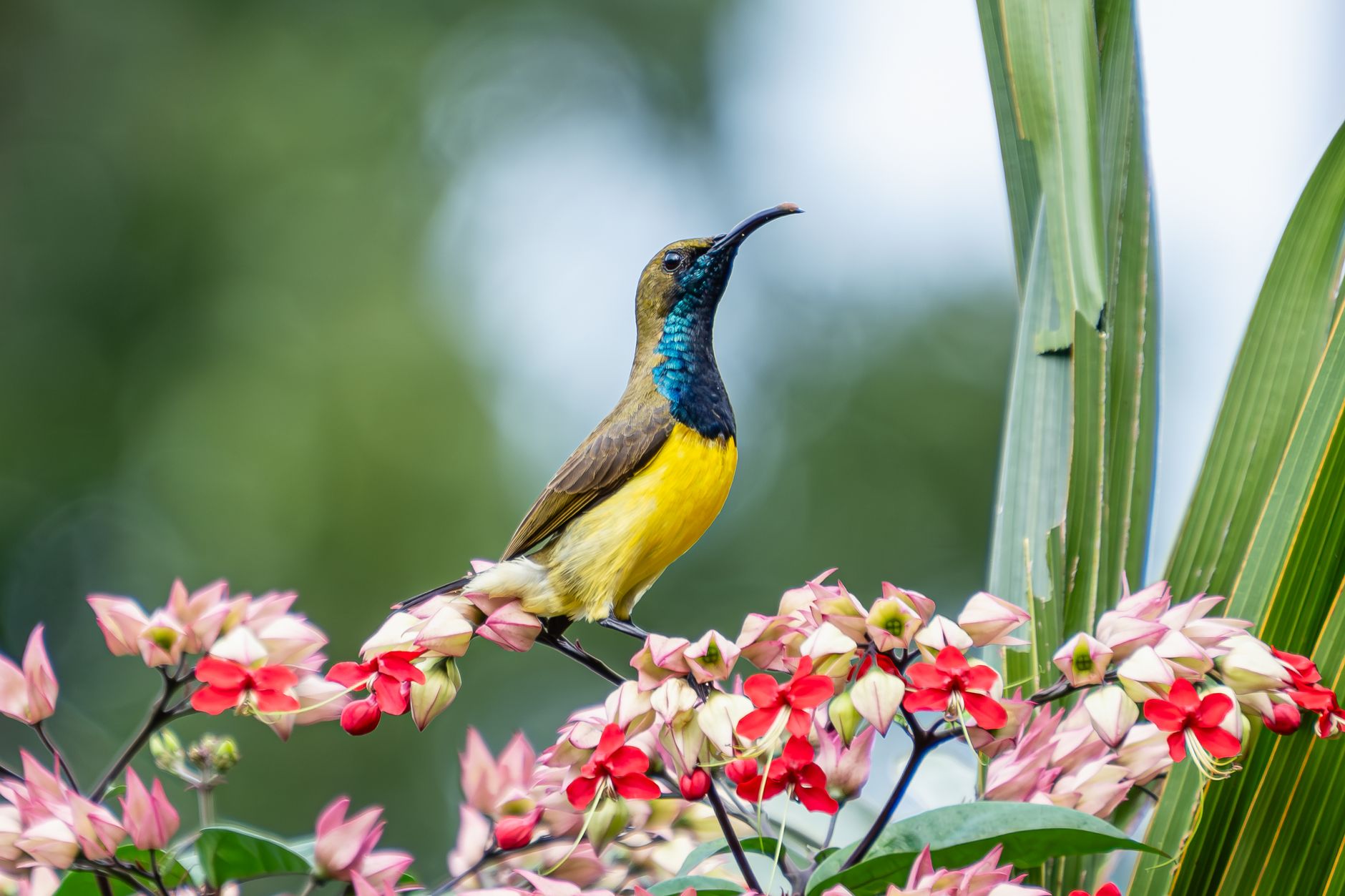
Lodges in Rich Birding Habitat
Across Laikipia, lodges sited in varied or water-rich habitats reward birders especially well. Properties on or near Ol Pejeta, with its 500-plus species and mix of grassland, woodland and wetland, offer outstanding on-site and nearby birding. Lodges near rivers, swamps or the conservancy waterholes draw a constant flow of waterbirds and others. Camps near forest habitat add forest species to the list, and those in the northern conservancies put you among the arid-country specials. The general principle: the more varied and water-rich the habitat around your lodge, the better your birding without even leaving the grounds. Browse the options in our accommodation guide and consider habitat as well as comfort when choosing.
Lodges with Waterholes and Hides
For birders (and bird photographers), a lodge with its own waterhole or photographic hide is a treasure. A waterhole in view of the dining area or a deck means you can bird from your breakfast table as species stream in to drink and bathe — sunbirds, weavers, doves, starlings, and sometimes raptors and waterbirds. A dedicated photographic hide takes this further, putting you at eye level for intimate views and superb images. These features turn the lodge itself into a productive, relaxed birding venue, ideal for the quiet midday hours or for birders who prefer patient watching to active searching. If birding is a priority, prioritise a property with water in view.
Combining Comfort and Birding
Birder-friendly doesn’t have to mean roughing it. Laikipia offers birding-rich lodges across the comfort spectrum, from simpler tented camps and guesthouses near Nanyuki to luxurious conservancy lodges and exclusive private houses — all of which can deliver excellent birding if well sited and guided. You don’t have to sacrifice comfort for a long bird list, nor pay a fortune; the key variables are habitat and guiding, not luxury. Match the comfort level to your budget using our guides to accommodation and safari costs, and within your chosen tier, select for birding habitat and guide expertise. The best birding stay is the one that combines the birds you want with the comfort and price that suit you.
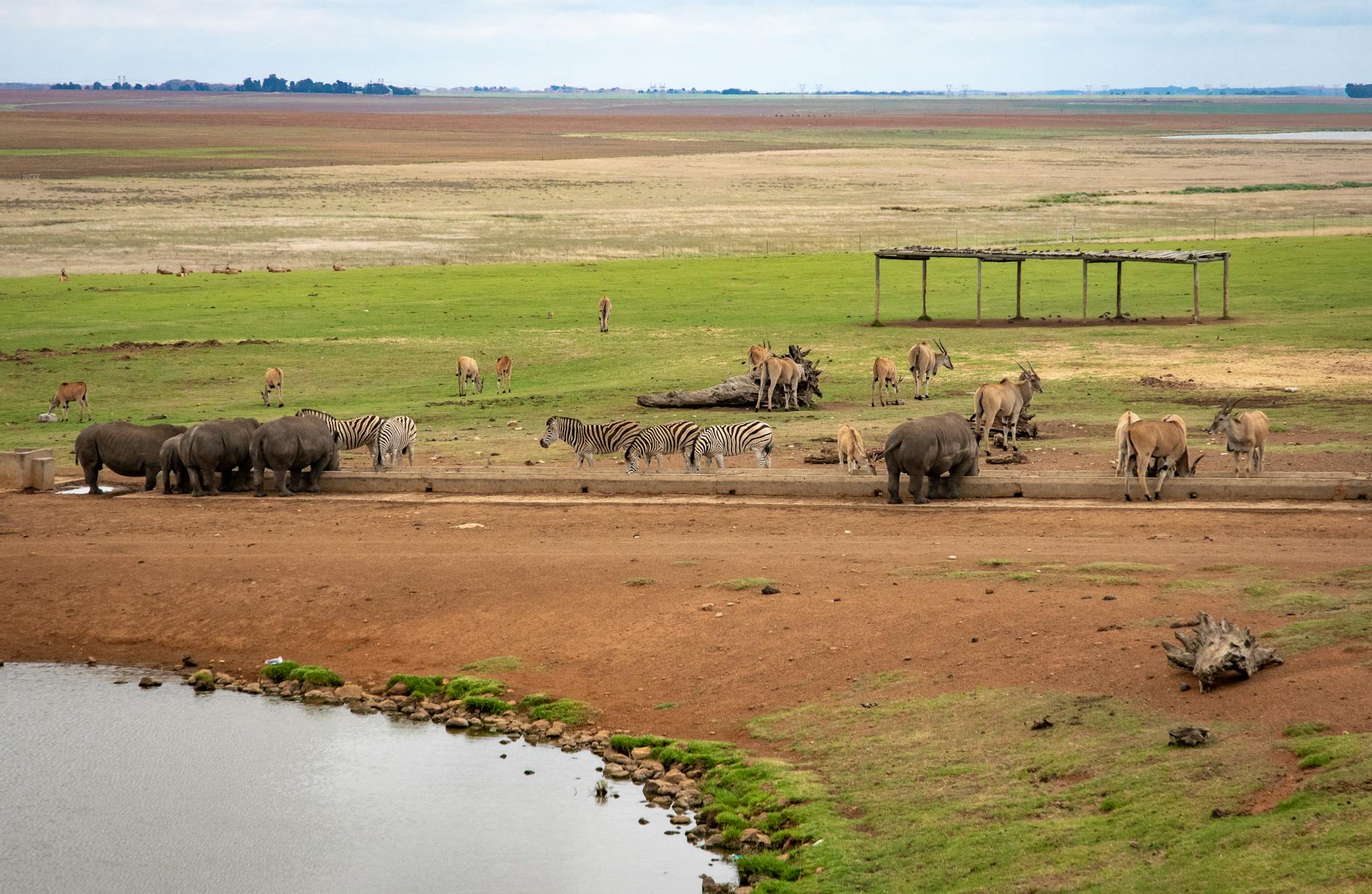
Questions to Ask When Booking
To secure a genuinely birder-friendly stay, ask the right questions before booking. What habitats surround the lodge, and what’s the on-site bird list like? Do the guides have specific bird knowledge, and is a specialist birding guide available? Is there a waterhole, hide, garden or feeders that attract birds? Will the lodge accommodate early starts, bird-focused drives and a flexible pace? What’s the best season for birding there? And can they tailor the experience to a keen birder? A good lodge will answer these enthusiastically; vague responses suggest birding isn’t their strength. Asking up front ensures your expectations and the lodge’s offering align — see our booking guide for more.
Building a Birding-Focused Trip
For a dedicated birding trip, consider basing at more than one lodge to sample different habitats — perhaps a few nights at a water- and woodland-rich central conservancy lodge, then time near forest or in a northern conservancy for different species. Choose properties for habitat and guiding, build in early starts and unhurried birding, and time your visit for the migrant and breeding season (roughly December–March) using our seasonal birding guide. Specialist birding operators can also arrange itineraries built entirely around birds, with expert guides throughout. Whether you go fully dedicated or simply choose a birder-friendly base for a general safari, picking the right lodge is the foundation of memorable Laikipia birding.
Specialist Birding Operators and Guides
For a truly bird-focused trip, consider going beyond a birder-friendly lodge to a specialist birding operator. These companies design itineraries built entirely around birds, led by expert ornithologist-guides who know the species, calls and sites intimately, and who can target specific birds you’re hoping to see. They handle the logistics of moving between habitats and conservancies to maximise your list, and bring a depth of bird knowledge a general safari guide may not match. For serious listers and bird photographers, this expertise can be transformative, turning a good birding trip into an exceptional one. It costs more than a general safari, but for the dedicated birder it’s money well spent. Even if you book a general trip, requesting a specialist birding guide for part of it (where available) is worth asking about, as our booking guide discusses.
Birding Lodges by Budget
Birder-friendly accommodation exists at every price point in Laikipia. At the budget end, guesthouses and simpler camps around Nanyuki and the accessible conservancies offer good birding grounds and access to species-rich habitats without the luxury price tag. Mid-range tented camps and lodges, well-sited in varied habitats with knowledgeable guides, hit the sweet spot for most birders. At the luxury end, premium lodges and private houses add comfort, exclusivity and often dedicated guiding to the birding. Crucially, excellent birding depends on habitat and guiding, not luxury, so you can enjoy a long list at any budget by choosing a well-located, well-guided property. Match the comfort level to your means using our cost guide, and select within it for birding quality.
The Dawn Chorus Experience
One of the simple joys of staying at a birding lodge is the dawn chorus. As the first light touches the plateau, the birds erupt into song — robin-chats, bulbuls, doves, weavers, starlings and a dozen others greeting the day in overlapping melody. Waking to this, coffee in hand, on your tent’s deck or the lodge veranda, is one of the most evocative experiences of a Laikipia safari, and a reminder of how alive the place is with birds. A well-sited lodge turns this daily spectacle into a front-row event. For birders, the early morning around the lodge — before the day’s activities — is also prime birding time, so the dawn chorus is both a pleasure and a productive birding window. It’s reason enough to choose a lodge in rich habitat and to rise early.
Making Your Lodge Work for Birding
Once you’ve chosen a birder-friendly lodge, a few habits maximise the birding it offers. Rise for the dawn chorus and bird the grounds before breakfast, when activity peaks. Spend time at any on-site waterhole, hide or feeders, especially in the quieter midday hours. Tell your guide your birding interest so they tailor drives and walks accordingly, and ask about a specialist birding guide if available. Keep your binoculars and checklist always to hand, even at meals. And use the lodge as a base to reach varied habitats — forest, wetland, plains — for a fuller list. A good lodge gives you the habitat, guiding and features; making the most of them, with early starts and attentive observation, turns the stay into the birding highlight it can be.
The Bottom Line on Birding Lodges
Choosing the right base is the foundation of a great Laikipia birding trip. Prioritise location in rich, varied habitat and knowledgeable guiding above luxury; look for features like waterholes, hides, gardens and feeders; and pick a property willing to accommodate early starts and bird-focused activities. Birder-friendly options exist at every budget, so you needn’t overspend — habitat and guiding matter most. For a dedicated trip, consider multiple bases or a specialist birding operator; for a general safari with birding, one well-chosen birder-friendly lodge is plenty. Get the base right, and the plateau’s extraordinary birdlife is on your doorstep from dawn to dusk. Combine your choice with the right locations and seasonal timing for the complete birding experience.
Birding-Friendly Lodge Features Checklist
When evaluating a lodge for birding, run through a quick checklist. Is it set in varied, bird-rich habitat (woodland, water, forest edge)? Does it have an on-site waterhole, hide, garden or feeders that draw birds at close range? Do the guides have genuine bird knowledge, and is a specialist available? Will it accommodate early starts and bird-focused outings? Is it near other habitats (forest, wetland, arid country) you can day-trip to? And does it suit your comfort level and budget? A property ticking most of these will deliver superb birding; one ticking few may disappoint a keen birder however luxurious. Use this checklist alongside the lodge’s own description and a direct conversation about birding, and you’ll quickly sort the genuinely birder-friendly properties from those that merely tolerate birders.
Birding Lodges vs General Safari Lodges
It’s worth understanding the distinction. Most Laikipia lodges are general safari lodges that happen to offer good birding by virtue of their location and guides — perfectly adequate for the casual birder, and many are genuinely excellent for birds. A smaller number actively cater to birders, with specialist guides, hides, feeders and a birding ethos. For a general safari with birding as a bonus, any well-sited lodge with knowledgeable guides will do; for a dedicated birding trip, seek out the genuinely bird-focused properties and operators. The key is to be clear about your priorities when booking: tell the lodge how serious your birding interest is, and let them confirm whether they can match it. That honest conversation up front prevents mismatched expectations and ensures your stay delivers the birding you want.
A Sample Birding Lodge Stay
To picture how a birder-friendly stay unfolds: you wake before dawn to the chorus and bird the lodge grounds with coffee, ticking sunbirds, weavers and robin-chats at close range. After breakfast, your guide — briefed on your birding interest — takes you out on a drive that balances big game with birds, pausing for rollers, eagles and bustards, and detouring to a waterhole where waterbirds gather. Back at the lodge for the hot midday, you watch the on-site waterhole or hide from a shady deck as species come to drink. A late-afternoon outing adds more, and after dark, a night drive (if offered) finds owls and nightjars. Over a few such days, sampling the lodge’s habitats and any day-trip destinations, your list grows steadily — and the rhythm of relaxed, bird-rich days is itself a pleasure. That’s the birding-lodge experience at its best.
The Bottom Line on Birding Lodges
Choosing the right base is the foundation of a great Laikipia birding trip. Prioritise location in rich, varied habitat and knowledgeable guiding above luxury; look for features like waterholes, hides, gardens and feeders; and pick a property willing to accommodate early starts and bird-focused activities. Birder-friendly options exist at every budget, so habitat and guiding — not price — should drive your choice. For a dedicated trip, consider multiple bases or a specialist birding operator; for a general safari with birding, one well-chosen birder-friendly lodge is plenty. Get the base right, and the plateau’s extraordinary birdlife is on your doorstep from dawn to dusk. Combine your lodge choice with the right locations and seasonal timing for the complete birding experience.
Frequently Asked Questions
Can I bird well without staying at a specialist birding lodge?
Yes. Most well-sited Laikipia lodges with knowledgeable guides offer excellent birding by virtue of their location and the surrounding habitats, which is plenty for casual and even fairly keen birders. A dedicated specialist birding lodge or guide mainly benefits serious listers chasing a long list and the trickier species. For most visitors, a good general lodge in rich habitat birds wonderfully.
What makes a lodge good for birdwatching in Laikipia?
Location in varied, water-rich habitat (for a long on-site bird list), knowledgeable guides who know the local birds, features like gardens, waterholes, feeders or a photographic hide, and flexibility to bird at your own pace and start early. Habitat and guiding matter far more than luxury level.
Do Laikipia lodges have birding guides?
Many lodge guides are good generalists with solid bird knowledge, and some properties offer dedicated specialist birding guides (sometimes for a supplement). A knowledgeable guide can dramatically increase your species count, so ask about birding expertise when booking and flag your interest clearly.
Which lodges are best for birding in Laikipia?
Those sited in rich or water-rich habitat — properties on or near Ol Pejeta (500+ species), lodges near rivers, swamps or waterholes, camps near forest habitat like Ngare Ndare, and those in the northern conservancies for arid specials. Prioritise habitat and guiding over luxury. See our accommodation guide.
Can I find good birding lodges on a budget?
Yes — birding-rich lodges exist across the comfort spectrum, from simpler tented camps and guesthouses near Nanyuki to luxury conservancy lodges. Excellent birding depends on habitat and guiding, not luxury or price, so you can enjoy a long bird list at any budget level by choosing a well-sited, well-guided property.
Should I stay at more than one lodge for birding?
For a dedicated birding trip, yes — basing at two or more lodges in different habitats (central woodland/wetland, forest edge, northern arid country) lets you sample the full range of Laikipia’s species and lengthen your list considerably. For a general safari with birding, one well-chosen birder-friendly base is plenty.
Choose your birding base, then plan the rest with our guides to the best birding locations, seasonal birding, and the complete Laikipia birdwatching guide.