Last updated: June 2026

Laikipia’s birding is so rich partly because it isn’t one habitat but many, scattered across a patchwork of conservancies, forests, rivers and wetlands. Knowing where to point your binoculars — which conservancy for the northern specials, which forest for turacos, which wetland for waterbirds — is what turns a good birding trip into a great one. This guide to the best birding locations in Laikipia goes conservancy by conservancy and habitat by habitat, so you can plan a trip around the birds you most want to see and tally an impressive list across the plateau’s varied landscapes.
From the famous central conservancies to the forests of the Mount Kenya foothills and the arid northern reaches, here’s where Laikipia rewards the birder most.
Ol Pejeta Conservancy
Ol Pejeta is a birding powerhouse, with over 500 species recorded — one of the highest counts of any single property in the region. Its mix of open grassland, acacia woodland, riverine habitat along the Ewaso Nyiro, swampy areas and waterholes packs enormous diversity into an accessible, well-organised conservancy. You can bird the plains for bustards, larks and raptors, the woodland for hornbills and starlings, and the wetter areas for herons, storks and waterfowl, all in a day. Add the famous conservation draws and easy access as a day visitor or staying guest, and Ol Pejeta is an outstanding base for birders, especially first-timers wanting variety and convenience.
Lewa and Borana
Lewa and neighbouring Borana offer superb birding across rolling grasslands, acacia country, swamps and forest edge. Lewa’s habitats — including its marshes — attract a long list of species, from grassland and arid-country birds to waterbirds and raptors, with the bonus of world-class rhino and game viewing alongside. The varied terrain and altitude gradient mean you can find both highland and drier-country species. As staying-guest conservancies they offer a more exclusive, unhurried birding experience, often with excellent guides. For birders who want top-tier birding combined with a premium safari, the Lewa–Borana landscape is a wonderful choice.
Ngare Ndare and the Forest Habitats
For a complete Laikipia bird list, you need forest — and Ngare Ndare Forest, in the Mount Kenya foothills, is the place. This indigenous forest holds species you simply won’t find on the open plains: turacos (including Hartlaub’s, with its crimson wing-flashes), forest robins, thrushes, woodpeckers, orioles, forest flycatchers and warblers, and a different cast of sunbirds. The canopy walk offers a rare chance to bird at treetop level. The contrast between the forest avifauna and the plains species is exactly what makes birding the plateau so productive — combining a forest visit with conservancy birding can dramatically lengthen your list. Other forest patches and the wooded slopes toward Mount Kenya add further highland forest species.
The Northern Conservancies
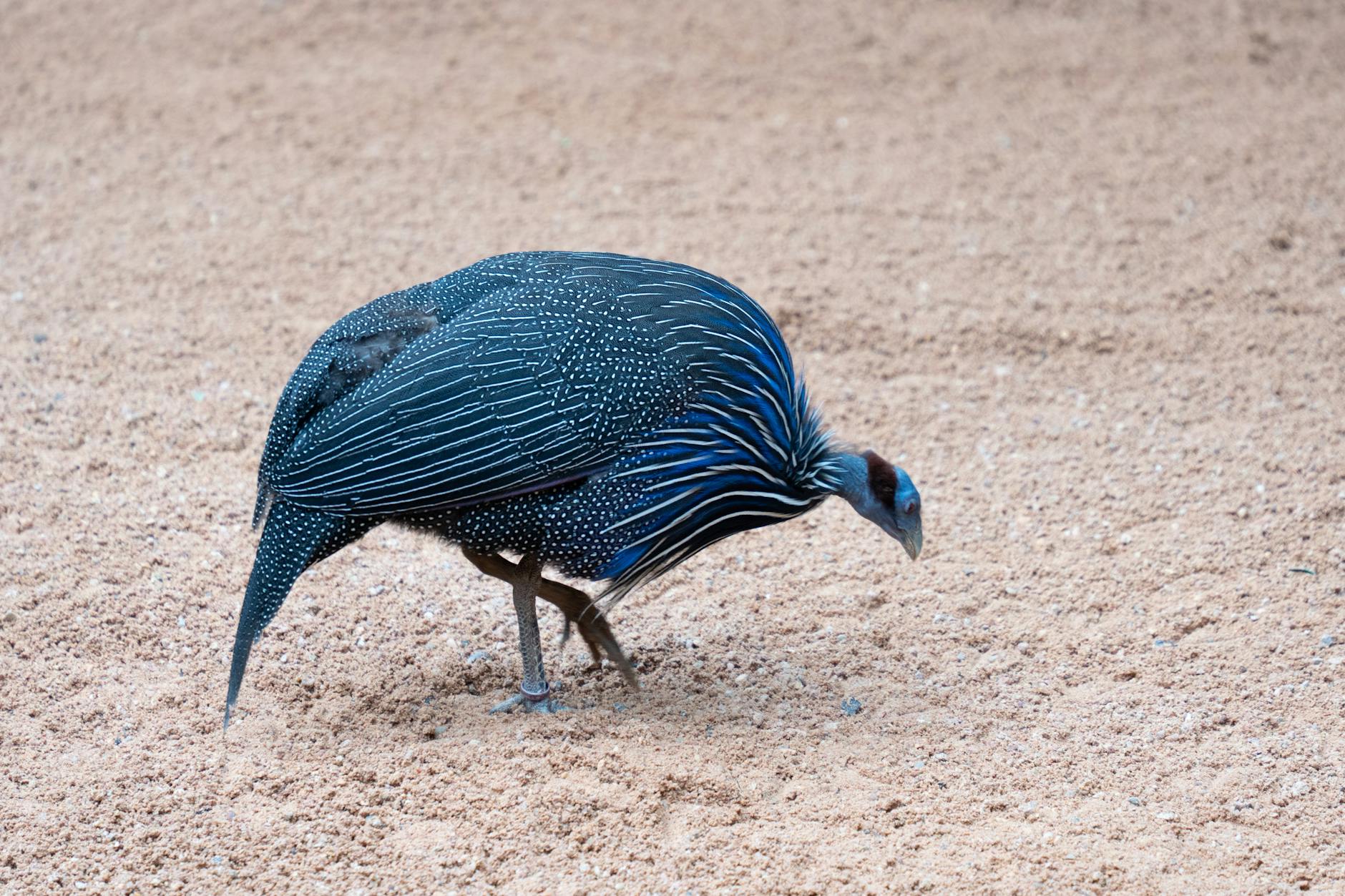
Head north — to Loisaba, Mugie and the community conservancies — and the birding shifts toward the arid-country specials. This is where the “northern Kenya specials” come into their own: vulturine guineafowl, Somali ostrich, golden-breasted starling, and a range of dry-country larks, sandgrouse, coursers and bustards adapted to the semi-arid frontier. The big skies and open terrain are also excellent for raptors. For birders chasing the species that make Laikipia distinct from southern Kenya, the northern conservancies are essential — and they pair the special birds with genuine wilderness and far fewer visitors. Our guide to northern Kenya specials covers these birds in detail.
Rivers, Wetlands and Waterholes
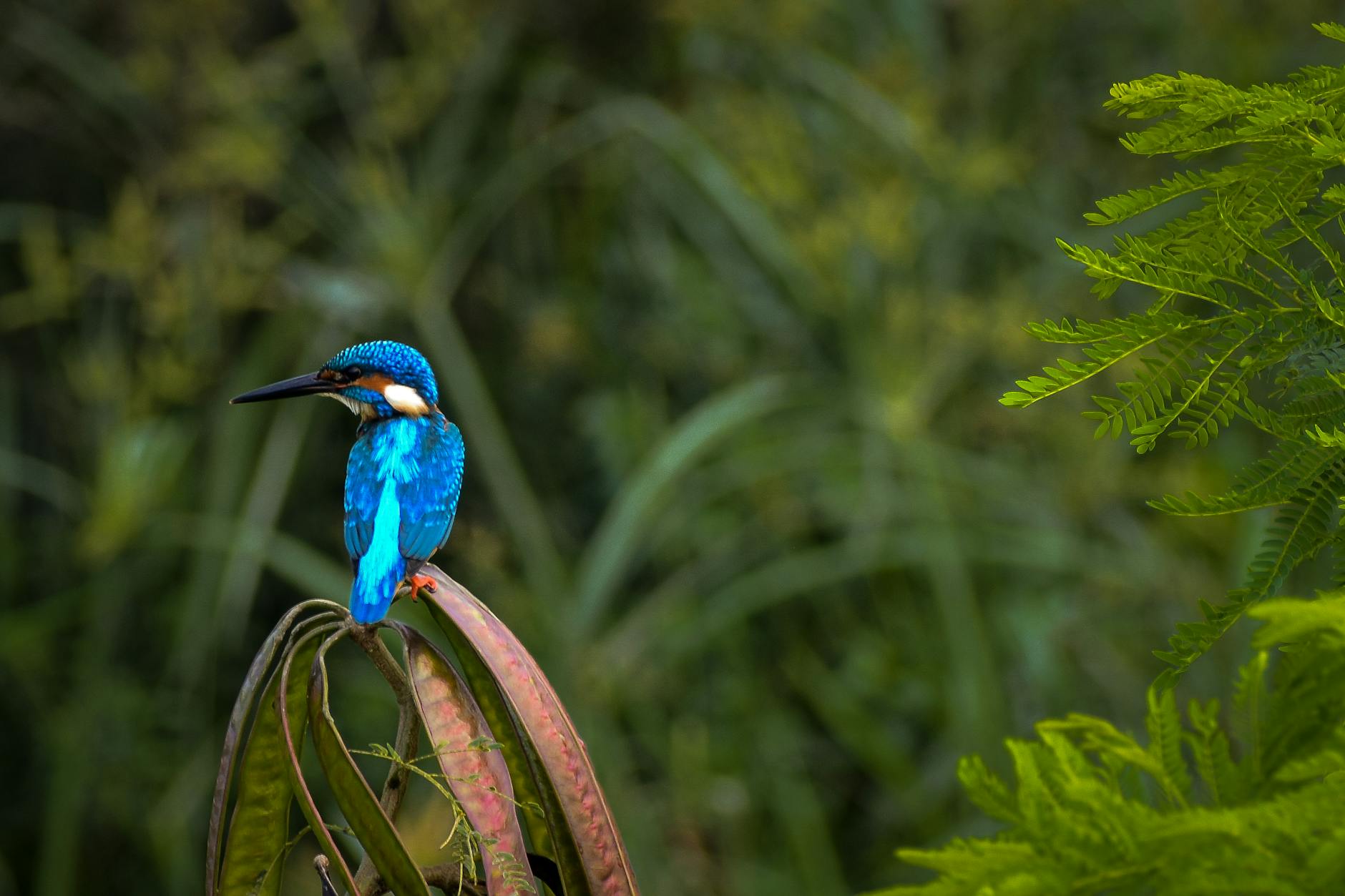
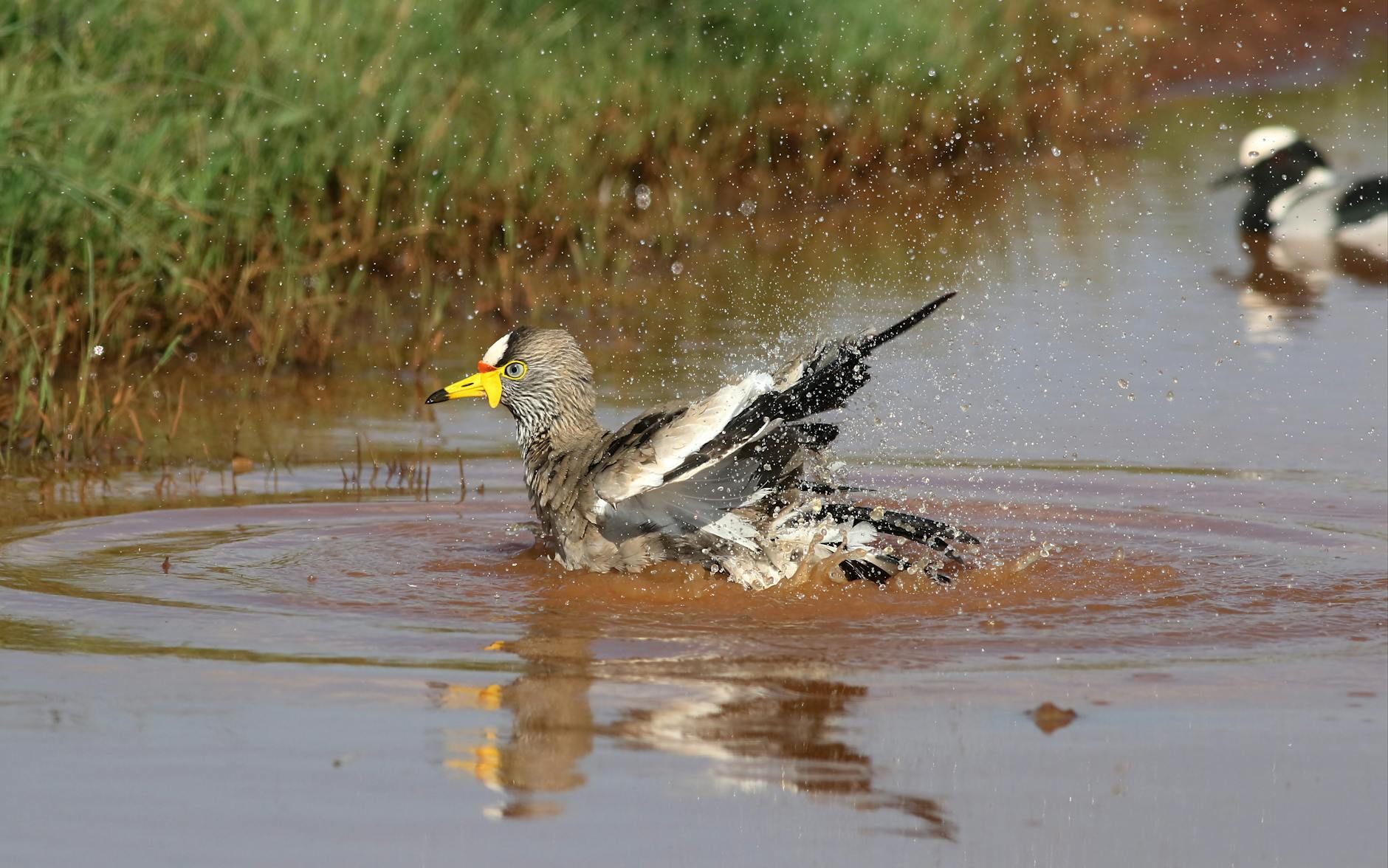
Across all the conservancies, water concentrates birds, so seek it out. The Ewaso Nyiro and its tributaries, dams, swamps and the artificial waterholes that lodges and conservancies maintain all draw herons, egrets, storks, ibises, ducks, jacanas, kingfishers, African fish eagles and a host of others. Wetland edges are productive at any time of day, and a waterhole — especially one with a hide — can deliver a stream of species as birds come to drink and bathe. Whatever conservancy you’re in, make a point of birding the wet areas; they reliably add species your plains and woodland birding would miss, and they’re often the most action-packed birding of the day.
Birding Around Your Lodge
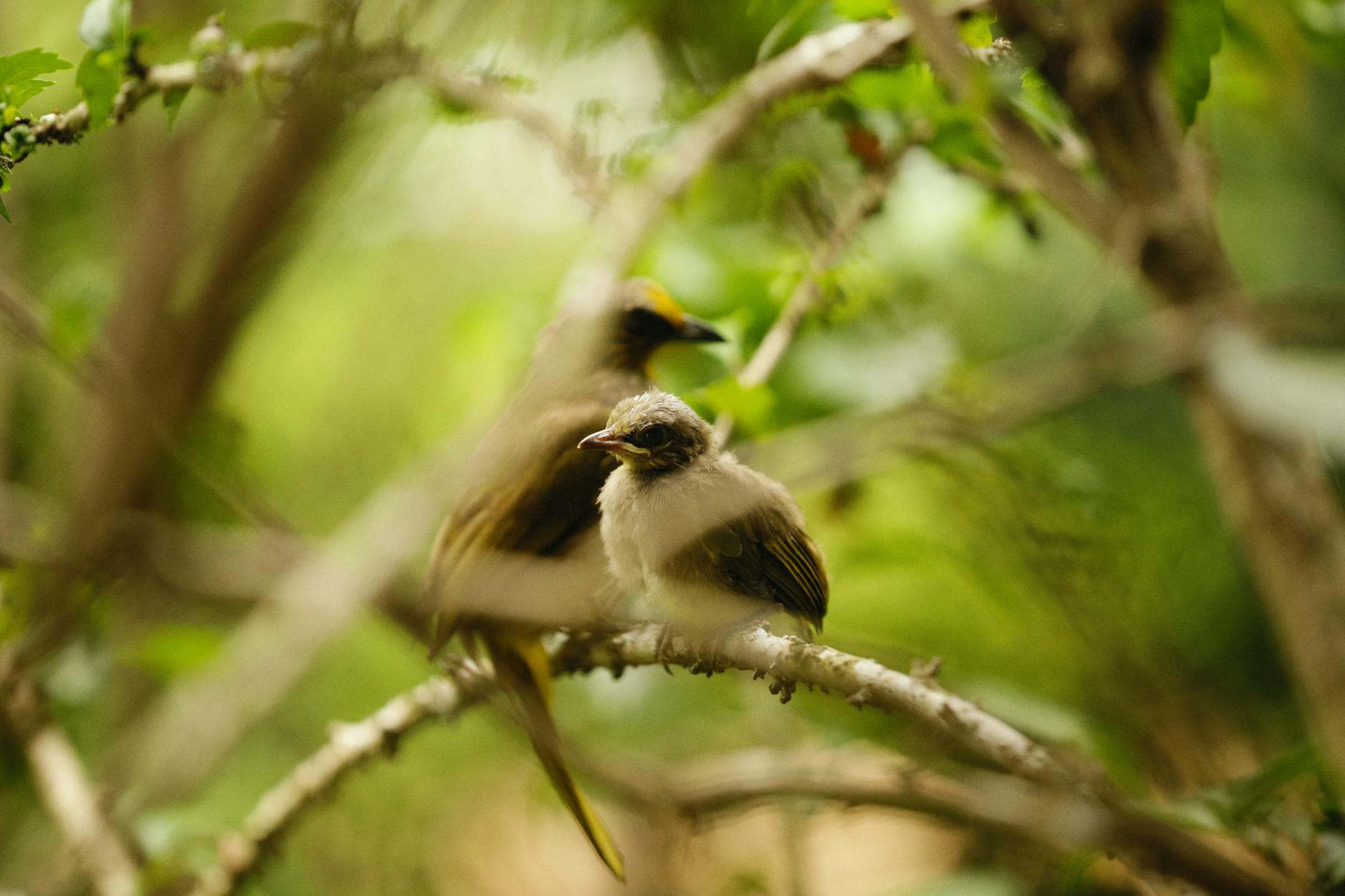
One of the best-kept secrets of birding Laikipia is that you needn’t go far at all — the grounds of your lodge or camp are often superb. Lodges are frequently sited in beautiful, bird-rich locations, with gardens, water features and feeders that attract sunbirds, starlings, weavers, barbets and more, often at close range and beautiful light. The early morning around camp, before the day’s drive, and the quiet midday hours can be wonderfully productive without any effort. Many serious birders rack up a good portion of their trip list simply by birding the lodge grounds attentively. Don’t overlook this gentle, rewarding birding right on your doorstep — it’s covered further in our birding lodges guide.
Planning a Birding Route
To maximise your list, plan a route that samples Laikipia’s habitats deliberately. A productive birding trip might combine a central conservancy like Ol Pejeta (for variety and waterbirds), a forest visit to Ngare Ndare (for forest species), and time in a northern conservancy (for the arid specials) — covering plains, woodland, forest, wetland and arid habitat across the trip. Build in enough time at each, bird the early mornings hard, and use a knowledgeable guide. The more habitats you visit, the longer and more varied your list. Combine this geographic planning with the right seasonal timing from our seasonal birding guide, and you’ll experience the full breadth of the plateau’s extraordinary avifauna.
Understanding Laikipia’s Habitats
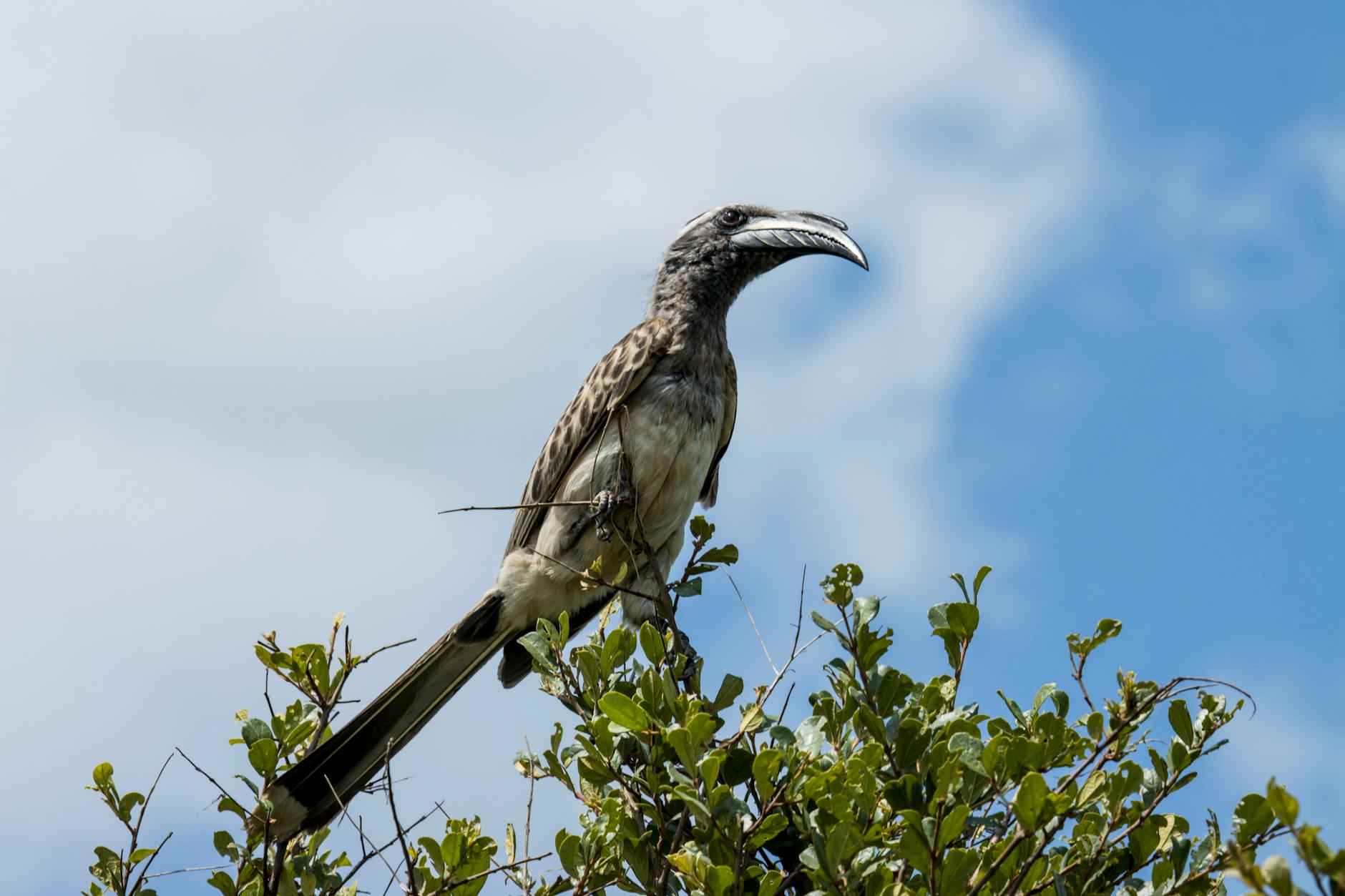
Because Laikipia’s birding richness comes from its variety of habitats, it pays to understand them. Open grassland and plains hold bustards, larks, pipits, ground birds and hunting raptors. Acacia woodland and bushland are home to hornbills, weavers, shrikes, starlings and many small birds. Riverine and wetland areas — rivers, swamps, dams, waterholes — attract herons, storks, ducks, kingfishers, fish eagles and a wealth of waterbirds. Forest, like Ngare Ndare, holds turacos, forest robins, woodpeckers and forest flycatchers found nowhere else on the plateau. And arid northern bush hosts the dry-country northern specials. Each habitat has its own cast, so the more you sample, the longer your list. Recognising which habitat you’re in helps you know — and ask your guide about — what to look for, and is the key to birding Laikipia productively.
A Sample Birding Circuit
To experience Laikipia’s full avian range, a deliberate circuit works wonders. Begin with a few nights at Ol Pejeta or a similar central conservancy, birding its grassland, woodland and wetland habitats (and its 500-plus species). Add a visit to Ngare Ndare Forest for the forest specialists — turacos, forest robins, treetop birding from the canopy walk. Then head north to Loisaba or a northern conservancy for the arid-country specials. Across such a circuit you’d cover plains, woodland, forest, wetland and arid bush, sampling the whole spectrum of Laikipia birds and building a long, varied list. Plan the route with our itinerary guide, and time it for the migrant season using our seasonal guide.
Birding on Foot vs from a Vehicle
Laikipia offers both vehicle-based and walking birding, and each has its strengths. From a vehicle, you cover ground, reach distant habitats, and use the vehicle as a mobile hide that animals (and many birds) tolerate well — ideal for plains and raptor birding. On a guided walking safari, you bird at a slower, more intimate pace, hearing calls, spotting skulking species, and engaging with the smaller birds and the details a vehicle flies past — wonderful for woodland, forest and riverine birding. The freedom to walk, thanks to Laikipia’s conservancy model, is a real birding advantage over the parks. Combining both — driving to reach habitats, then walking to bird them closely — gives the most complete and rewarding birding experience, as our walking safari guide explores.
Combining Birding with Game Viewing
One of the joys of birding Laikipia is that you needn’t choose between birds and big game — the same drives and conservancies deliver both. As you search for rhino and lion, you’ll pass rollers, eagles, bustards and guineafowl; the waterholes that draw elephants also draw waterbirds; and a knowledgeable guide will happily point out both. This means a general safari becomes a birding trip simply by bringing binoculars and showing interest, and a birding trip is automatically a superb wildlife trip. The varied habitats that make birding rich also support the famous mammals, so the two pursuits reinforce each other beautifully. Whether birds or big game are your priority, Laikipia rewards both at once — a versatility few destinations can match.
Tips for Productive Location Birding
A few habits get the most from each location. Bird the early morning hard, when activity and song peak. Spend time at water — it concentrates birds reliably. Work the habitat edges (where woodland meets grassland, or forest meets clearing), which are often the most productive zones. Be patient and quiet, letting birds reveal themselves. Use your guide’s local knowledge of where particular species reliably occur. And don’t neglect the lodge grounds, often superb in themselves. Across Laikipia’s locations, these principles — early starts, water, edges, patience and local knowledge — consistently lengthen your list. Combine them with the right seasonal timing and a well-planned circuit, and you’ll experience the full, extraordinary breadth of the plateau’s birdlife.
Locations at a Glance
To summarise where to go for what: Ol Pejeta for sheer variety and waterbirds (500+ species, easy access); Lewa and Borana for a long list combined with premium safari and exclusivity; Ngare Ndare and forest for turacos and forest specialists; the northern conservancies (Loisaba, Mugie) for the arid-country northern specials; rivers, swamps and waterholes everywhere for waterbirds; and your lodge grounds for relaxed, close-range birding. The ideal trip samples several of these. Use this at-a-glance summary alongside the detail above to decide where to base yourself and what to prioritise, matching the locations to the species you most want to see — and remember that a knowledgeable guide will know the productive spots within each area far better than any map.
Timing Your Visits to Each Location
Within any location, when you bird matters as much as where. The early morning, just after dawn, is consistently the most productive time, when birds are most active and vocal across all habitats. Waterholes and wetlands stay rewarding through the day as birds come to drink. The harsh midday is quieter for birds (and a good time to rest or bird the shaded lodge grounds), with activity picking up again in the late afternoon. Forest birding can be productive longer into the morning thanks to the shade. So plan to hit the open plains and arid areas early, keep water in your itinerary throughout, and use the middle of the day gently. Combining the right location with the right time of day — and the right season — is the formula for a long, satisfying bird list.
Access and Practicalities
A practical note on reaching these birding locations: the central conservancies like Ol Pejeta are the easiest to access, welcoming day visitors and well set up for self-drive and guided birding, while the northern conservancies are more remote, generally experienced as a staying guest. Ngare Ndare requires booking and a guide. Most birding is done from the lodge you’re staying at and its conservancy, with day trips to add habitats like the forest. Your lodge or operator arranges the logistics, and a birding-focused guide makes all the difference. Plan access alongside accommodation using our accommodation and getting there guides, so the practicalities support rather than limit your birding ambitions.
The Best Single Base for Birding
If you can only choose one base, Ol Pejeta is hard to beat for an all-round birding trip: with over 500 species across grassland, woodland, riverine and wetland habitats, plus easy access, good guiding and the bonus of world-class rhino and conservation experiences, it delivers exceptional birding and a brilliant general safari in one place. For a more exclusive, premium birding stay, Lewa or Borana are superb. For the arid specials and wilderness, the north. But for most birders wanting one rewarding, convenient base that samples much of Laikipia’s diversity, a central conservancy like Ol Pejeta — ideally combined with a forest day trip — is the smart choice, leaving you free to add other habitats if time allows.
Bringing It All Together
The takeaway from all this is simple: Laikipia’s birding rewards variety. Because the plateau packs grassland, woodland, forest, wetland and arid habitats into one accessible region, the more of them you visit — and the more thoughtfully you time your birding to season and hour — the richer your experience and the longer your list. Base yourself well, sample several habitats, bird the mornings hard, seek out water, consider a forest day trip and time in the north, lean on knowledgeable guides, and don’t forget the birding on your own doorstep. Do that, and you’ll come to understand why Laikipia is regarded as one of Kenya’s finest and most varied birding destinations. Plan the seasonal side with our seasonal birding guide and the whole trip with the birdwatching pillar.
Frequently Asked Questions
Do I need a specialist birding guide for Laikipia?
Not essential, but hugely valuable. Many lodge guides have good general bird knowledge and will happily point out and identify species, and that’s enough for most visitors. For a serious birding trip aiming at a long list and the trickier species, a dedicated birding guide (available at some lodges or via specialist operators) dramatically improves your results.
Where is the best birding in Laikipia?
Ol Pejeta is a standout, with over 500 species across varied habitats and easy access. Lewa and Borana offer superb birding with premium safari; Ngare Ndare Forest adds forest species; and the northern conservancies (Loisaba, Mugie) deliver the arid-country “northern specials.” The best approach combines several habitats across a trip.
Which conservancy has the most bird species in Laikipia?
Ol Pejeta is exceptional, with over 500 recorded species, thanks to its mix of grassland, woodland, riverine and wetland habitats in one accessible conservancy. It’s an outstanding birding base, especially for first-time birders wanting variety and convenience, with the bonus of famous rhino and conservation experiences.
Where can I see forest birds in Laikipia?
Ngare Ndare Forest, in the Mount Kenya foothills, is the prime spot for forest species like turacos, forest robins, woodpeckers and forest flycatchers — birds you won’t find on the open plains. Its canopy walk even lets you bird at treetop level. Combining forest and conservancy birding greatly lengthens your list.
Where do I find the northern Kenya bird specials?
In the northern and arid conservancies such as Loisaba and Mugie, where dry-country species like vulturine guineafowl, Somali ostrich, golden-breasted starling, sandgrouse and coursers occur. These “northern specials” are what make Laikipia’s bird list distinct from southern Kenya. See our northern specials guide.
Can I go birding without leaving the lodge?
Yes — Laikipia lodge grounds are often superb for birding, with gardens, water and feeders attracting sunbirds, starlings, weavers and barbets at close range. Birding around camp in the early morning and quiet midday is relaxed and productive, and many birders build a good part of their list this way.
Plan your birding route, then refine the timing with our seasonal birding guide, explore the top 50 birds, and see the complete Laikipia birdwatching guide.