Last updated: June 2026
Laikipia is a year-round birding destination — but when you visit shapes what you’ll see, sometimes dramatically. Time your trip well and you’ll catch Eurasian migrants that vanish for half the year, resident birds in their dazzling breeding finery, and the nesting and feeding frenzy that the rains bring. Time it poorly and you’ll still see plenty, but miss the seasonal spectacles. This guide to seasonal birding in Laikipia explains the rhythms of migration, breeding and weather, and lays out a month-by-month birding calendar so you can plan your visit around the avian highlights you most want to experience.
Understanding these seasonal patterns is the difference between a good birding trip and a great one. Here’s how the birding year unfolds on the plateau.
Laikipia’s Birding Seasons in Brief
Two forces drive Laikipia’s birding calendar: migration and the rains. Migratory species arrive from Europe, Asia and North Africa from around November to April, swelling the resident birdlife with extra species and numbers. The rains — the long rains of March–May and short rains of November — trigger breeding, so many resident birds come into colourful breeding plumage and begin nesting, while insect abundance feeds the activity. The result is that the wetter months (broadly November to April) are the prime birding window, overlapping migration and breeding, while the dry season offers easier conditions and good resident birding. We cover the weather behind this in our guides to the best time to visit and the green season.
The Migrant Season (November–April)
For the keenest birders, the migrant season is the highlight of the Laikipia year. From around November, Palearctic migrants — birds that breed in Europe and Asia and winter in Africa — pour into the region: warblers, wheatears, shrikes, harriers, falcons, waders, swallows, bee-eaters and many more, adding dozens of species to the resident list. These visitors stay until roughly March or April before heading north again to breed. The migrant influx also includes intra-African migrants moving with the rains. If a long bird list and the chance to see Eurasian species alongside African residents excites you, plan your trip for this November-to-April window — it’s when Laikipia’s birding is at its richest and most varied.
Breeding Season and Plumage
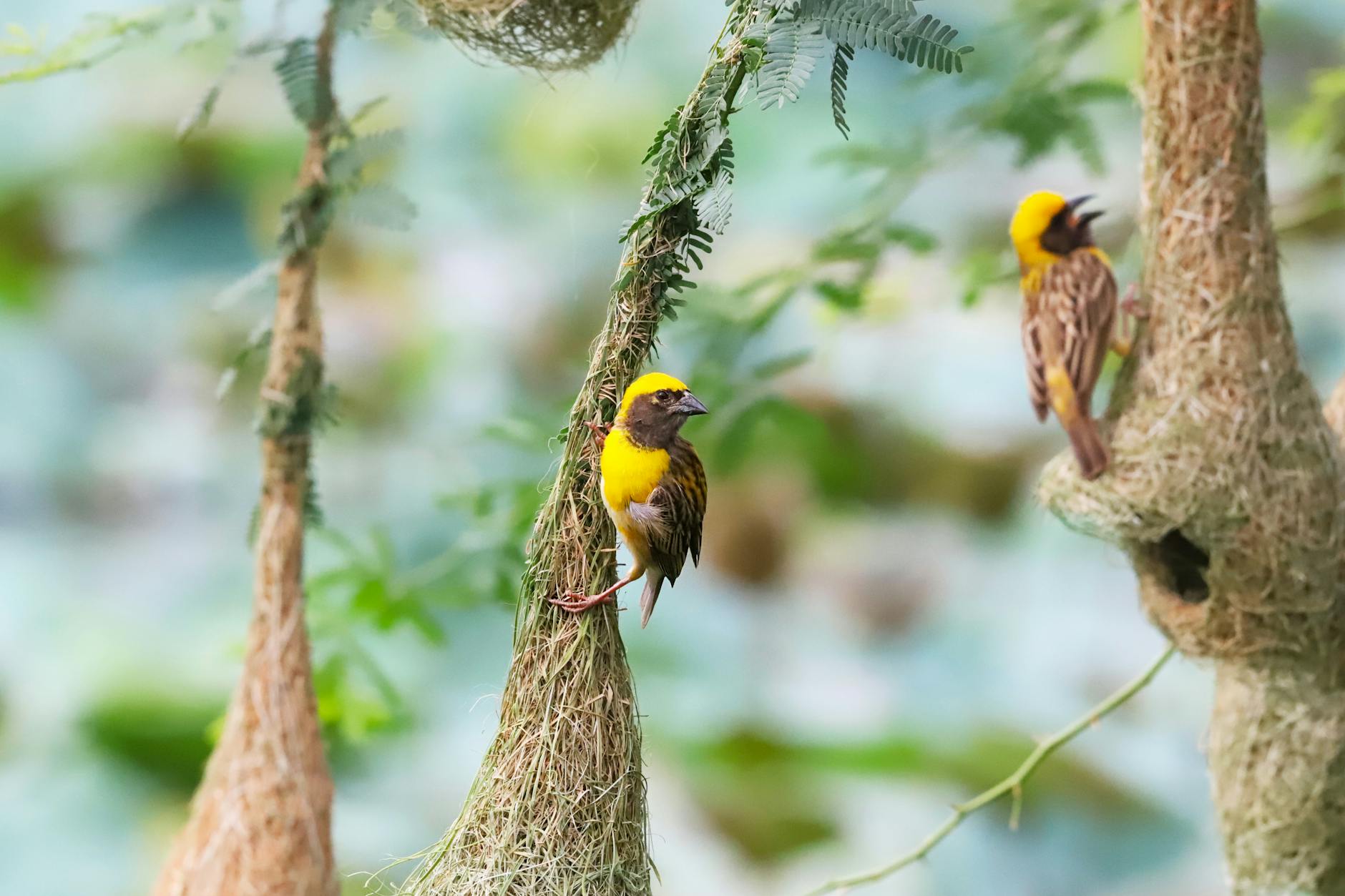
The rains bring not just migrants but a transformation in the resident birds. Triggered by the wet season and the flush of food it brings, many species come into their breeding plumage — the males of weavers, bishops, widowbirds, whydahs and sunbirds, in particular, don spectacular colours and elaborate tail plumes to display and attract mates. Nesting activity peaks: weavers build their intricate hanging nests in noisy colonies, and birds are vocal and active. This is a wonderful time to observe behaviour — courtship displays, nest-building, feeding of young — as well as to see familiar birds at their most beautiful. The breeding spectacle, overlapping with the migrant season in the wet months, is a compelling reason to brave the occasional shower for green-season birding.
Dry Season Birding (June–October)
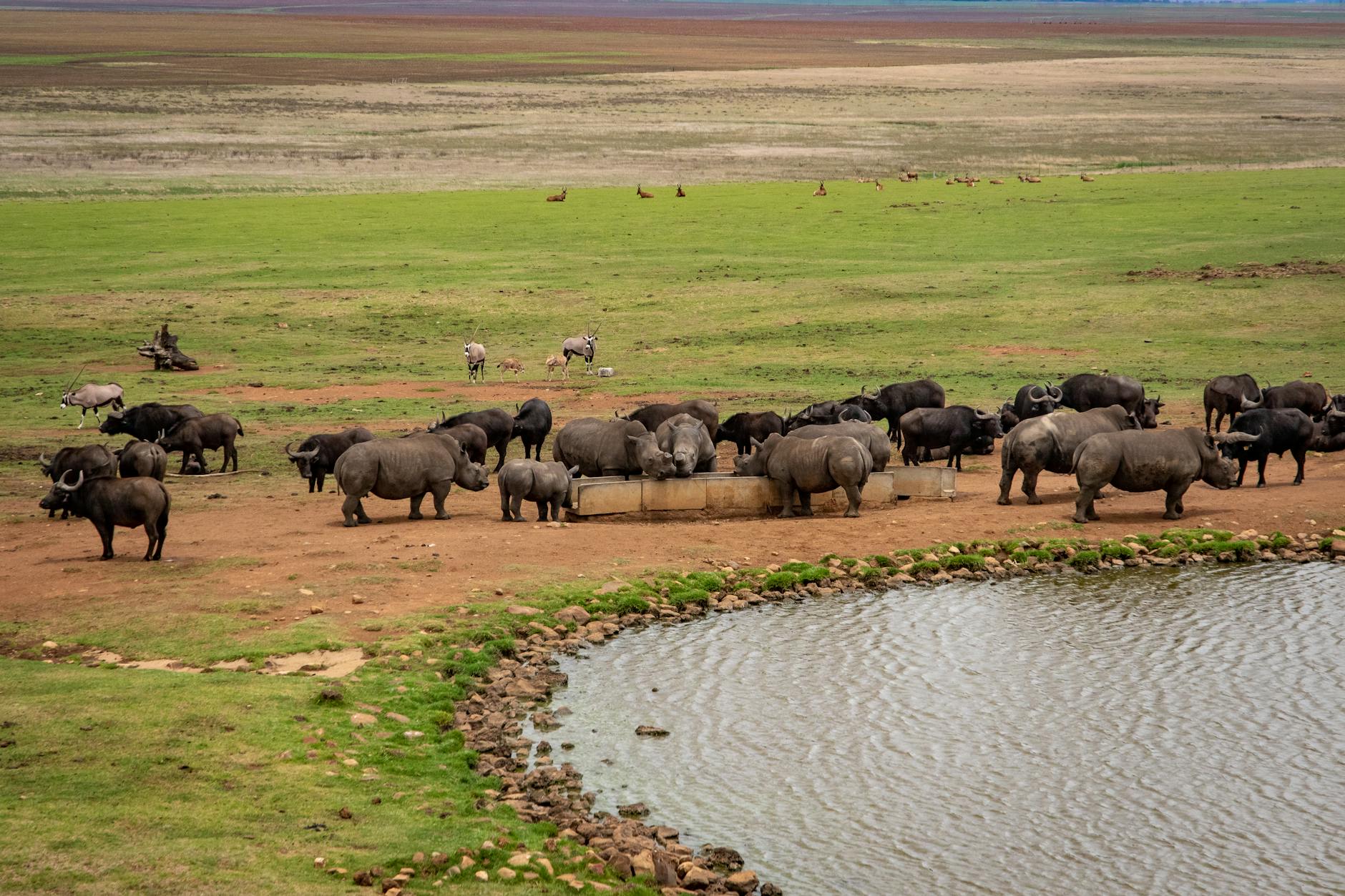
The dry season has its own birding rewards, even without the migrants and breeding peak. With water scarce, birds concentrate around the remaining rivers, dams and waterholes, making them easier to find and watch — a waterhole in the dry season can be a constant parade of species coming to drink. The vegetation is sparser and sightlines more open, so spotting birds (and the raptors hunting them) is often easier than in the lush green season. Resident species are present year-round, so you’ll still build a solid list. And the dry season’s reliable weather and easier travel suit a relaxed birding trip. For visitors combining birding with classic dry-season game viewing, this is an excellent, lower-key birding window.
A Month-by-Month Birding Calendar
November: short rains arrive; migrants begin pouring in; breeding starts — birding picks up sharply. December–February: excellent birding, with migrants present, many residents in breeding plumage, and good weather in the January–February dry spell — often cited as the prime window. March: long rains build; migrants still present; breeding continues; lush and productive. April: peak green season, superb birding, though wettest; migrants begin departing late in the month. May: rains tail off; resident birding remains good; migrants largely gone. June–September: dry season; concentrated waterhole birding, easier viewing, resident species. October: dry tail end; first migrants may reappear late. The standout window is roughly December to March, blending migrants, breeding and good weather.
Best Time for Specific Birding Goals
Match your timing to your goals. For the longest possible list and Eurasian migrants, come in the November–April migrant season, ideally December–March. For breeding plumage and display, the wet months (November–April) are best, when males are at their most colourful and nesting is in full swing. For easier viewing and waterhole concentrations combined with classic game viewing, the dry season (June–October) works well. For raptors, the open dry season offers good perched views, while migration brings extra species. And for a balance of great birding, good weather and fewer crowds, the January–February shoulder season is hard to beat. Let your priority guide your dates.
Combining Birding with the Wider Safari
Happily, the best birding seasons align well with rewarding general safari conditions, so you needn’t choose between birds and big game. The green-season months that thrill birders also bring lush scenery, newborn animals and dramatic skies for everyone, while the January–February window combines excellent birding with superb game viewing and fine weather. Even the dry season pairs concentrated waterhole birding with the classic, prolific big-game viewing the period is famous for. So a birding-focused trip can easily accommodate the rhino, elephant and predators too — and a general safari can become a birding trip simply by bringing binoculars and a little attention. Plan the balance with our best time to visit guide.
Why Timing Matters for Listers
For dedicated birders chasing a long trip list, timing isn’t a detail — it’s the single biggest variable. Visit in the migrant season (November–April) and you add dozens of Palearctic species — warblers, harriers, falcons, waders and more — that are simply absent for the rest of the year, potentially lifting your list by a third or more. Visit in the breeding season and you see resident males in their full, identifiable breeding finery rather than drab non-breeding plumage. Visit in the dry season and you trade those bonuses for easier viewing and concentrated waterhole birding. So if maximising species is your goal, the November–April window, especially December–March, is the clear choice. Casual birders will enjoy any time, but listers should plan their dates around the migrants and breeders, as our best time guide details.
Weather and Birding Practicalities
The seasons affect not just which birds are present but how you bird. The wet-season months bring lush vegetation (which can make spotting harder but the birding richer), occasional afternoon showers to plan around, and sometimes muddy access to remote spots — so a flexible itinerary and waterproof gear help. The dry season offers reliable weather, open sightlines and easy travel, with birds concentrated at water. Whatever the season, the early morning is prime, so be ready at dawn. Bring binoculars, a field guide or app, neutral clothing, and patience. The practical message: green-season birding is richer but a touch more weather-dependent, while dry-season birding is easier and more comfortable — choose according to whether you prioritise species count or convenience, and pack accordingly using our packing list.
The Twice-Yearly Migration Windows
It’s worth understanding that migration isn’t a single event but two windows. The arrival of Palearctic migrants from the north happens from around October–November, as birds escaping the northern winter pour south into Africa. The departure comes around March–April, as they head back north to breed. Both passage periods can be exciting, sometimes producing птица on the move and the occasional scarce passage migrant pausing en route. The migrants then spend the intervening months in and around the region. For birders, this means the broad November–April window is when migrants are present, with the shoulders of that period (arrival and departure) adding the drama of birds on the move. Intra-African migrants, moving with the rains rather than to and from Europe, add further seasonal movement to watch for.
Birding Through the Dry Season
Don’t write off the dry season for birding — it has genuine merits. While it lacks the migrants and the breeding-plumage peak, the dry months (June–October) concentrate birds at the dwindling water sources, so a waterhole or river can be wonderfully busy, with species coming to drink in numbers and at close range. The sparse, dry vegetation makes spotting and photographing birds easier than in the lush green season, and the reliable weather and open conditions suit relaxed, comfortable birding. Resident species — the bulk of the list — are present year-round. And the dry season is peak time for general game viewing, so birders combining birds with big game get the best of both. For many visitors, dry-season birding alongside classic dry-season game viewing is an excellent, easy option.
Tips for Each Season
To get the most whenever you visit: in the migrant/wet season (November–April), focus on variety — seek out the migrants, enjoy the breeding displays, and bird actively across habitats to maximise your list, accepting some weather. In the dry season (June–October), focus on water — spend time at waterholes and rivers where birds concentrate, and enjoy the easier spotting and combination with game viewing. Year-round, bird the early mornings, use a knowledgeable guide, sample varied habitats, and keep a checklist. And consider the January–February shoulder season as a sweet spot, combining migrants, some breeding, good weather and fewer crowds. Whatever the season, Laikipia rewards the prepared and attentive birder.
The Bottom Line on Birding Seasons
To distil it: Laikipia birds well all year, but the migrant and breeding season of roughly November to April — and especially December to March — is the prime window, blending Eurasian migrants, residents in breeding finery and (in January–February) good weather. The dry season offers easier, concentrated waterhole birding and pairs beautifully with classic game viewing. Match your timing to your priorities: maximum species and colour in the wetter months, ease and comfort in the dry. Either way, bring binoculars and curiosity, and the plateau’s extraordinary birdlife will reward you. Combine this seasonal knowledge with the right locations and a birder-friendly lodge for the complete birding experience.
Planning a Birding Trip Around the Seasons
Putting it together into a plan: decide first whether you’re a list-maximising birder or a more casual one combining birds with general safari. If the former, target December–March for the migrants, breeding plumage and good weather, and build an itinerary sampling varied habitats with a knowledgeable guide. If the latter, any season works — pick your dates for the overall safari (perhaps the dry season for game viewing) and enjoy the birds as a bonus, knowing residents are present year-round. Either way, book a birder-friendly lodge, bird the mornings, and bring the right kit. Aligning your dates with your birding ambitions, using this seasonal knowledge alongside our best time to visit guide, is the key to a trip that delivers exactly the birding you’re hoping for.
A Final Word on Seasonal Birding
Laikipia’s great gift to the birder is that there’s never a bad time — only different highlights through the year. The wet months bring the migrants and the breeding spectacle; the dry months bring easy, concentrated waterhole birding and superb general game viewing; and the January–February shoulder blends much of the best of both. So rather than worrying about getting the timing “wrong,” focus on matching the season to what you most want — species count, colour, ease, or a balance — and then bird it well. With binoculars, a field guide, an early start and a curious eye, the plateau will reward you whenever you come. Pair this seasonal guide with the species, locations and lodges covered across our birdwatching resources, and plan the birding trip that’s right for you.
Frequently Asked Questions
Will I see fewer birds in the dry season?
You’ll see fewer total species without the Eurasian migrants, but resident birds — the bulk of the list — are present year-round, and the dry season concentrates them at water, making viewing easier. So you may tally a slightly shorter list than in the migrant season, but the birding is still excellent and the spotting easier, with the bonus of prime general game viewing.
What’s the single best month for birding in Laikipia?
If pushed to one, many would say February — deep in the migrant season with residents in breeding plumage, yet in the dry, settled short-dry-season weather, with good general game viewing and fewer crowds. December, January and March are nearly as good. The broad December-to-March window is the prime birding period overall.
Is January a good month for birding in Laikipia?
Excellent. January falls in the short dry season, with Eurasian migrants present, many residents in breeding plumage, and fine, settled weather — combining several birding pluses with good general safari conditions and fewer crowds. Along with February, it’s part of the prime December-to-March birding window and a sweet spot for combining birds with classic game viewing.
Do migratory birds change which species I’ll see?
Significantly. From November to April, Palearctic migrants — warblers, harriers, falcons, waders, shrikes and more — join the resident birds, adding dozens of species absent the rest of the year. So a wet-season trip can yield a substantially longer and more varied list than a dry-season one, which is why dedicated listers target the migrant window.
When is the best time for birding in Laikipia?
Roughly December to March is the prime window, combining Eurasian migrants (present November–April), residents in breeding plumage, and good weather. The wider wet season (November–April) offers the richest, most varied birding overall, while the dry season (June–October) gives easier viewing and waterhole concentrations.
When do migratory birds arrive in Laikipia?
Palearctic migrants from Europe, Asia and North Africa arrive from around November and stay until roughly March or April before returning north to breed. They add dozens of species — warblers, wheatears, shrikes, harriers, falcons, waders and more — to the resident birdlife, making this the richest birding season.
Is the wet season or dry season better for birding?
The wet season (November–April) is generally better for birding, with migrants present, residents in breeding plumage and peak nesting activity. The dry season offers easier viewing, with birds concentrated at water and sparse vegetation aiding spotting, plus reliable weather — excellent if combining birding with classic game viewing.
When are birds in breeding plumage in Laikipia?
During and after the rains (broadly November–April), when many resident males — weavers, bishops, widowbirds, whydahs, sunbirds — don spectacular breeding colours and tail plumes to display, and nesting peaks. It’s a wonderful time for both beautiful plumage and fascinating breeding behaviour.
Can I bird Laikipia year-round?
Yes — Laikipia offers rewarding birding in every month, as resident species are present all year. The seasons simply shift the emphasis: migrants and breeding in the wet months, concentrated waterhole birding and easier viewing in the dry. There’s no bad time, only different highlights.
Time your trip for the birding highlights you want, then plan where to go with our best birding locations guide, explore the top 50 birds, and see the complete Laikipia birdwatching guide.