Last updated: June 2026

Most people come to Laikipia for the rhino and the lions, and leave astonished by the birds. This plateau, where the fertile central highlands give way to the arid northern frontier, is one of the richest and most varied birding destinations in Kenya — over 350 species recorded across the region, and more than 500 on Ol Pejeta alone. You can watch a martial eagle quartering the plains, a lilac-breasted roller flashing impossible colours, and a flock of vulturine guineafowl strutting like feathered peacocks, all in a single morning. This guide introduces the top 50 birds of Laikipia, Kenya — grouped by type, with what to look for and where — to turn your safari into a birding adventure too.
Whether you’re a dedicated lister or simply curious about the dazzling creatures flitting past the vehicle, this is your introduction to Laikipia’s avian riches. Bring binoculars — you’ll want them.
Why Laikipia Is a Birding Hotspot
Laikipia’s birding magic comes from its position at a crossroads of habitats. The plateau sits where the cool, fertile highlands meet the hot, dry northern rangelands, so within a small area you find arid-country specialists, highland forest species, grassland birds, wetland species and raptors all overlapping. Add the altitude, the permanent rivers, the forests like Ngare Ndare, and the protected, undisturbed habitat of the conservancies, and you have a recipe for extraordinary diversity. This habitat mosaic — explored in our ecosystem guide — is why a Laikipia bird list can rack up species you’d otherwise have to travel across half of Kenya to see.
Iconic Large Birds
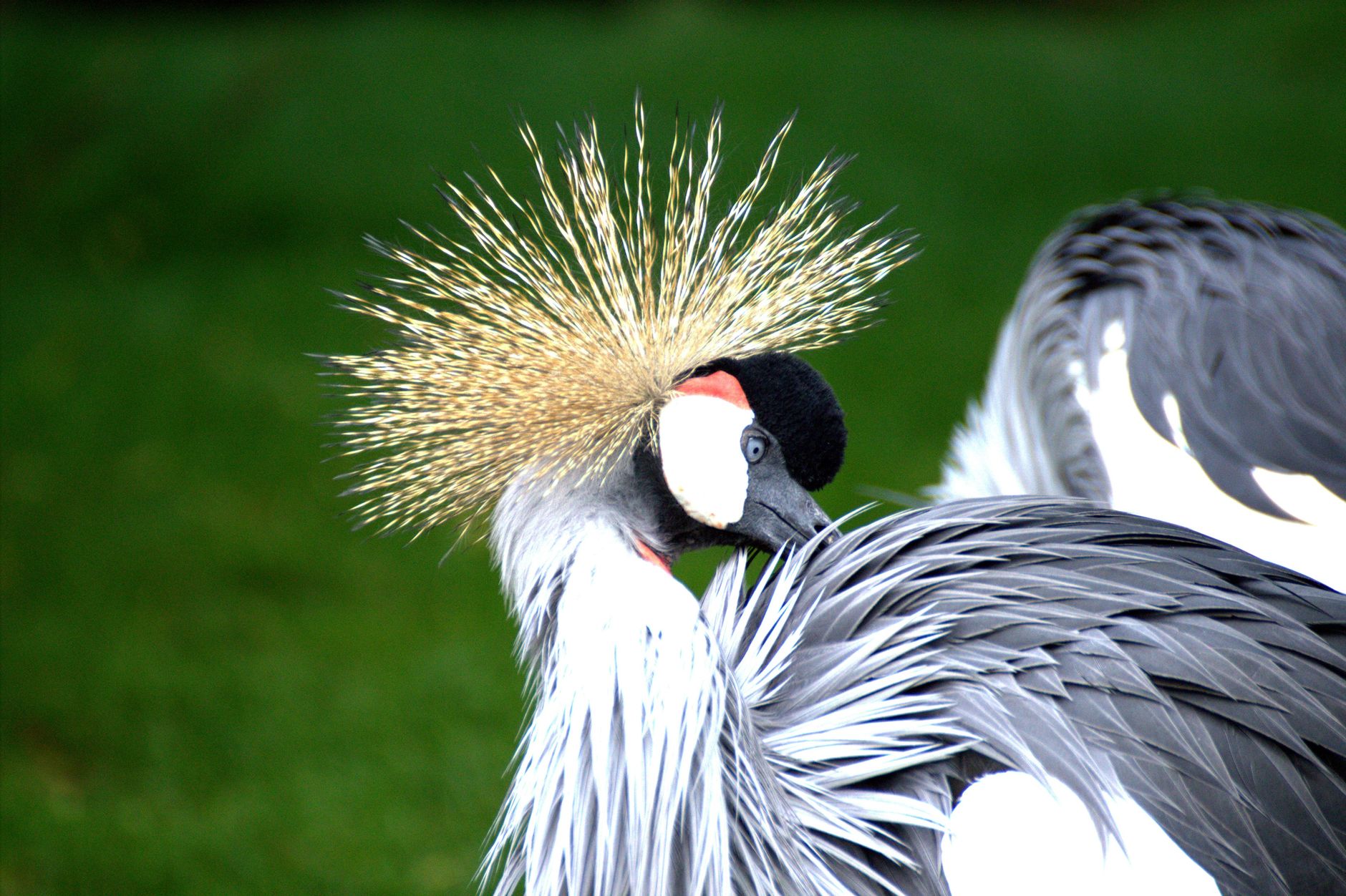
Some of Laikipia’s birds are impossible to miss. The Somali ostrich, a northern special with blue-grey legs and neck, strides the plains (distinct from the common ostrich). The kori bustard, one of the world’s heaviest flying birds, stalks the grasslands with stately dignity. The secretary bird, with its eagle’s body, crane’s legs and quill-like crest, strides about hunting snakes. Grey crowned cranes, with their golden head-plumes, gather near water and are simply gorgeous. And the marabou stork and various other storks patrol wetlands and plains. These large, charismatic birds are often the gateway that turns safari-goers into birdwatchers.
Colourful Showstoppers
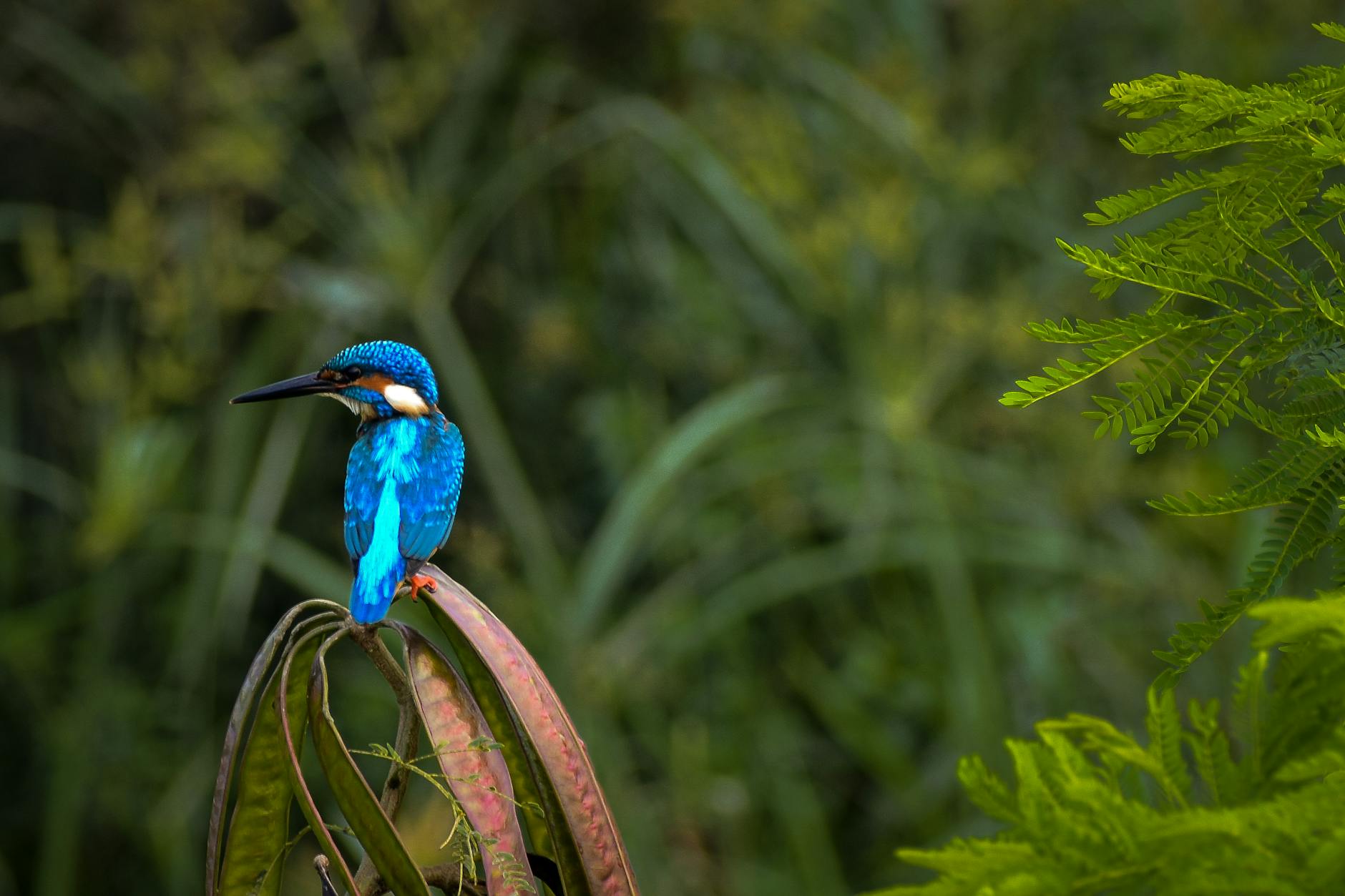
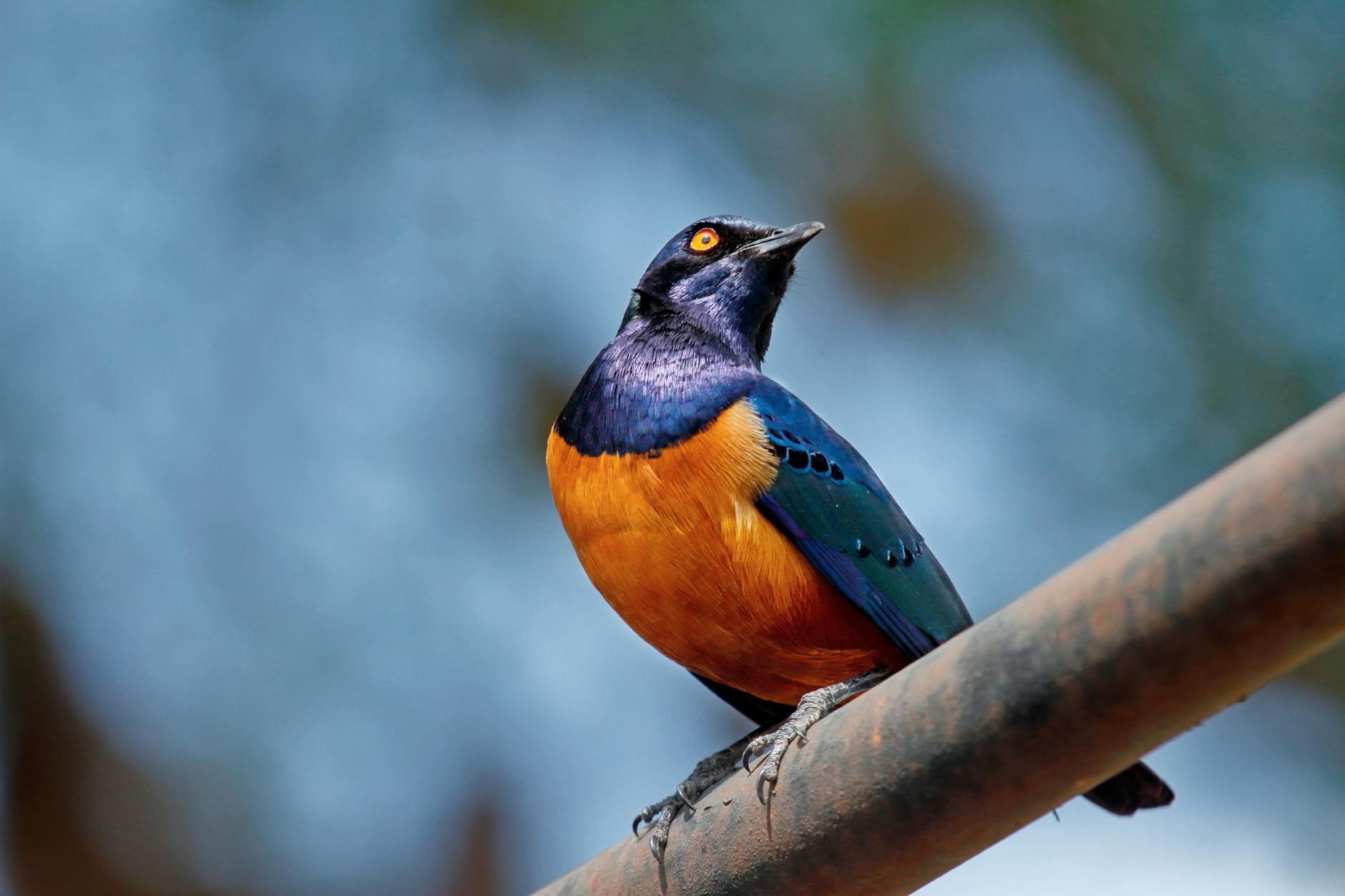
Laikipia is full of birds so vivid they look unreal. The lilac-breasted roller — lilac, turquoise, blue and green — is the safari poster bird, perching obligingly on bare branches. The golden-breasted starling, a northern special, glows gold and electric blue. Superb starlings, common but stunning, flash metallic blue-green and chestnut around every camp. Bee-eaters (little, white-fronted, cinnamon-chested and more) hawk insects in jewel colours. Various kingfishers, sunbirds (iridescent nectar-feeders), barbets, turacos in the forests, and the red-and-yellow barbet add to a palette that makes even non-birders reach for the camera. These showstoppers are a highlight of any Laikipia birding day.
Birds of Prey
Raptors are a Laikipia speciality, and we cover them in depth in our dedicated raptors guide — but no top-50 list is complete without them. Look for the powerful martial eagle, the Verreaux’s (black) eagle hunting hyrax around rocky outcrops, the handsome augur buzzard with its rufous tail, bateleur eagles rocking in flight, various vultures riding the thermals, the huge Verreaux’s eagle-owl by night, and a host of kestrels, harriers and goshawks. Laikipia’s open country and rocky kopjes make raptor-watching exceptional, with birds often perched and visible.
Ground-Dwellers and Game Birds
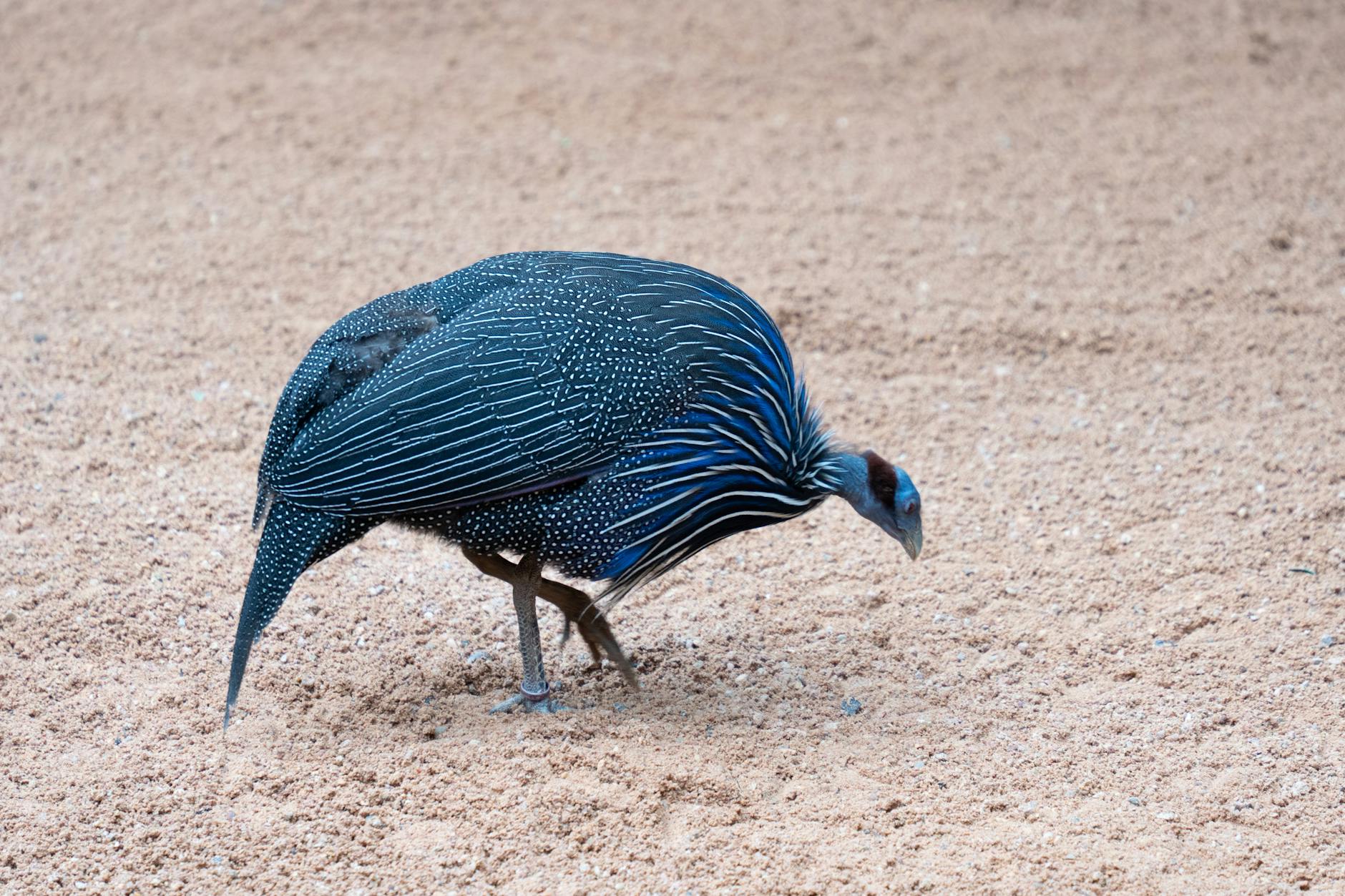
The plains and bush hold a wonderful cast of ground birds. The vulturine guineafowl — the most spectacular guineafowl, with cobalt breast, white-streaked plumage and a vulture-like bare head — is a northern special and a Laikipia must-see. Common helmeted guineafowl bustle in flocks, while francolins and spurfowl scuttle through the grass. Sandgrouse fly to water in arid areas, crowned and Senegal lapwings patrol open ground, and the comical northern ground hornbill stalks like a turkey. Watching these ground-dwellers, especially the vulturine guineafowl, is one of the distinctive pleasures of birding the plateau.
Water and Wetland Birds
Where there’s water — rivers, dams, the conservancy waterholes — Laikipia’s bird list expands further. Look for herons and egrets, African fish eagle (with its iconic ringing call), hamerkop building enormous nests, storks (yellow-billed, saddle-billed, marabou), ibises (sacred, hadada with its raucous call), various ducks and geese, jacanas trotting on lily pads, and kingfishers diving for fish. Wetland edges are productive birding spots at any time of day, and waterhole hides (covered in our bird photography guide) put you eye-level with the action. Don’t overlook the water when birding the plateau.
Woodland and Forest Birds
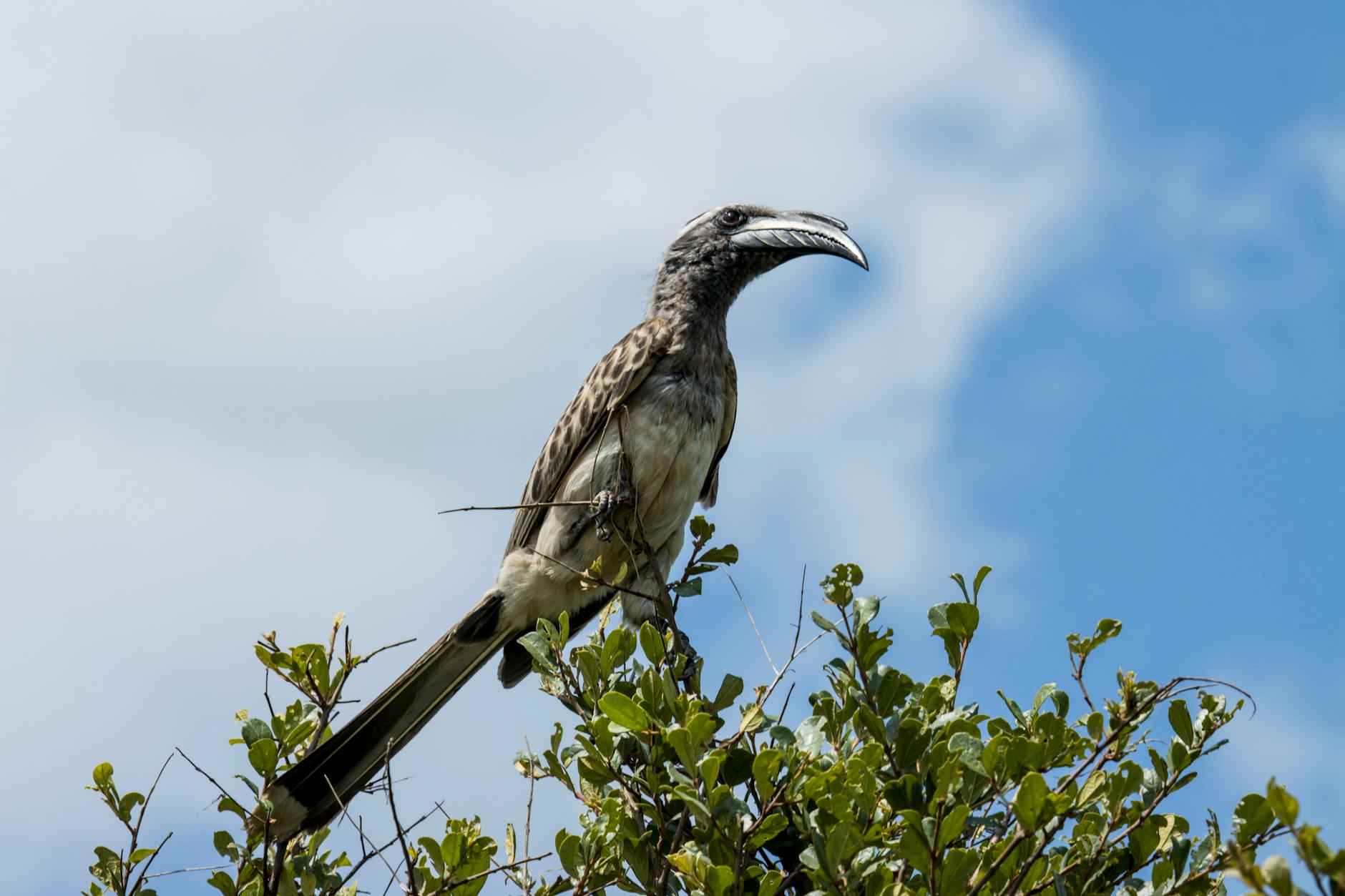
The acacia woodland, riverine strips and the forests of the Mount Kenya foothills add yet another layer. In Ngare Ndare and similar forest, look for turacos (Hartlaub’s, with crimson wing-flashes), colourful forest robins and thrushes, woodpeckers, orioles, and a variety of warblers and flycatchers. The woodland holds hornbills (red-billed, von der Decken’s, grey), weavers in their bustling colonies, shrikes, go-away-birds (named for their nasal call), and doves in abundance. Moving between the open plains and these wooded habitats in a single outing is what lets a Laikipia birder tally so many species so quickly.
Small Birds Worth Seeking
Beyond the headline species, the small birds reward a patient eye and good binoculars. Sunbirds — variable, scarlet-chested, beautiful — shimmer at flowering plants. Weavers and bishops build and display, the males often in brilliant breeding colours. Waxbills, firefinches and cordon-bleus add flashes of colour at ground level. Cisticolas and prinias (the “little brown jobs” that test every birder) skulk in the grass. Wagtails, pipits and larks work the open ground. These smaller species fill out a serious bird list and offer the quiet satisfaction of identification that dedicated birders relish — a different pleasure from the big, obvious showstoppers.
Using This List on Safari
To make the most of Laikipia’s birds, a few tips. Bring binoculars (one each if you can) and a field guide or bird app for East Africa. Bird actively in the early morning when activity peaks, and don’t neglect the area around your lodge, which is often superb. Tell your guide you’re interested in birds — most are knowledgeable and will happily point them out and help with identification. Keep a checklist for the satisfaction of tallying your sightings. And pair your birding with the best timing and locations using our guides to seasonal birding and the best birding locations. With a little attention, the birds become as memorable as the big game.
Birds Around the Lodge and Camp
You don’t need to head out on a drive to start your Laikipia bird list — the grounds of your lodge are often a brilliant birding venue in themselves. Superb starlings hop around the breakfast tables, weavers chatter in noisy colonies, sunbirds dart at flowering shrubs, doves coo from the trees, and barbets, bulbuls and robin-chats work the gardens. Many lodges have water features or feeders that draw a steady stream of species at close range and in lovely light. The early morning around camp, before the day’s activities, and the quiet midday hours can be wonderfully productive. Birding the lodge grounds attentively, coffee in hand, is one of the gentlest and most rewarding pleasures of a Laikipia trip — and a good chunk of your trip list will come from right outside your tent.
How to Build Your Bird List
For those who enjoy the satisfaction of a growing tally, building a Laikipia bird list is hugely rewarding. Keep a checklist (a printed East African list or a birding app), and log each new species as you confirm it. Bird the different habitats deliberately — plains, woodland, forest, wetland and arid country each add their own species — and the early mornings hardest, when activity peaks. Lean on your guide for identifications and to point out birds you’d miss. Don’t rush; careful observation of the “little brown jobs” adds species the casual eye overlooks. Over a week sampling Laikipia’s varied habitats, a keen birder can tally well over a hundred species, and a dedicated trip far more — a deeply satisfying record of the plateau’s avian richness, and a reason to return for the ones you missed.
Birds and the Laikipia Ecosystem
Laikipia’s birds aren’t just a spectacle — they’re woven into the workings of the whole ecosystem. Raptors and owls control rodent and small-prey populations; vultures clean up carcasses, preventing disease; sunbirds and other nectar-feeders pollinate plants; seed-eaters and fruit-eaters disperse seeds; and insectivores keep insect numbers in check. Oxpeckers ride the backs of buffalo and rhino, removing ticks. The sheer diversity of birds reflects the health and variety of the habitats the conservancies protect, making birdlife an excellent barometer of ecosystem health. Understanding this — explored further in our ecosystem guide — adds depth to your birding: each species you spot is a thread in the intricate web that makes Laikipia such a rich and functioning wild landscape.
A Birding Morning on the Plateau
To picture how it comes together: you set out at first light, when the birds are most active and vocal. Around camp, sunbirds and starlings greet the day. On the plains, you spot a kori bustard stalking the grass, a secretary bird striding in the distance, and a lilac-breasted roller flashing colour from a bare branch. A martial eagle surveys from a tree; a flock of vulturine guineafowl runs across the track. At a waterhole, herons, lapwings and a fish eagle gather. In the woodland edge, hornbills, weavers and a go-away-bird call. By mid-morning, with the list already long and the light hardening, you head back for breakfast, having sampled a remarkable cross-section of Laikipia’s birdlife in a few hours — the everyday magic of birding the plateau.
Beyond the Top 50
This guide’s top 50 is just the beginning — Laikipia’s full list runs to several hundred species, and the deeper you look, the more you find. Dedicated birders will turn up scarcer warblers, cisticolas, larks, pipits, the trickier raptors and the localised northern specials, while every season and habitat adds new possibilities. The joy is that you can engage at any level — content with the colourful, obvious showstoppers, or pursuing the full diversity with field guide and patience. Either way, Laikipia rewards the attention. The top 50 here will get you started and hooked; from there, the plateau’s birdlife offers a lifetime of discovery, especially across its different habitats and seasons.
Endemics and Range-Restricted Species
For the keen lister, Laikipia and the wider Kenyan highlands hold a number of range-restricted and sought-after species that add real value to a trip. Beyond the headline northern Kenya specials — vulturine guineafowl, Somali ostrich, golden-breasted starling — the highlands and their forests host species with limited ranges, and the arid north brings birds at the edge of their distribution. Kenya overall boasts well over a thousand bird species, and Laikipia’s transitional position lets you sample an unusually broad slice of them in one region. Serious birders prize exactly this: the chance to tick localised species without crossing the whole country. A guide attuned to the specials and a good field guide will help you identify and appreciate these less-obvious but highly valued birds.
Telling Similar Species Apart
Part of the pleasure (and challenge) of birding is sorting out look-alikes, and Laikipia offers plenty of practice. Distinguishing the Somali from the common ostrich (leg and neck colour), the various starlings, the confusing array of cisticolas and warblers, the immature raptors, and the many weavers all test and reward the attentive birder. Don’t be discouraged — even experts puzzle over some — but use the key features your field guide highlights: size, shape, colour patterns, calls, behaviour and habitat. Calls in particular are invaluable, as many similar species sound quite different; a birding app with recordings helps. Working through these identifications, ideally with a knowledgeable guide, is deeply satisfying and sharpens your skills. Start with the easy, distinctive species and build confidence before tackling the trickier groups.
Beyond the Top 50: Going Deeper
This guide’s selection is a starting point; Laikipia’s full list runs into the hundreds, and there’s always more to find. As you grow more confident, you’ll start noticing the subtler species — the warblers and cisticolas, the various larks and pipits, the trickier raptors and the seasonal migrants — and each new habitat and season opens fresh possibilities. The beauty of birding the plateau is that it rewards engagement at any level: you can be thrilled by the obvious showstoppers or absorbed in teasing apart the difficult groups. Either way, keep your binoculars handy, your checklist updated, and your curiosity open. Combine the species knowledge here with the right locations and seasons, and Laikipia will keep surprising and delighting you, trip after trip.
Frequently Asked Questions
How many bird species might I see on a Laikipia safari?
A keen observer sampling varied habitats over a week can realistically tally well over a hundred species, and a dedicated birding trip with a good guide far more, given Laikipia’s 350-plus regional list (500+ on Ol Pejeta). Even a casual safari-goer who simply brings binoculars and pays attention will notice dozens of striking species.
What’s the best bird to look for in Laikipia?
If you want one iconic target, make it the vulturine guineafowl — the world’s most spectacular guineafowl and a northern Kenya special, with a cobalt-blue breast and vulture-like head. Other standouts include the lilac-breasted roller, the Somali ostrich, the golden-breasted starling and the big raptors. But with 350+ species, the joy is the sheer variety; there’s something dazzling around every corner.
How many bird species are in Laikipia?
Over 350 species have been recorded across the Laikipia region, with Ol Pejeta Conservancy alone hosting more than 500, including residents, migrants and northern Kenya specials. The plateau’s position between the highlands and the arid north gives it exceptional habitat and species diversity.
What is the most famous bird in Laikipia?
The vulturine guineafowl is a Laikipia favourite — the world’s most spectacular guineafowl, with cobalt-blue breast feathers, white-streaked plumage and a bare, vulture-like head. It’s one of several “northern Kenya specials” that make Laikipia’s bird list distinctive. The lilac-breasted roller and Somali ostrich are other iconic sightings.
Do you need to be a birder to enjoy Laikipia’s birds?
Not at all. Many of Laikipia’s birds — the colourful rollers, starlings and bee-eaters, the huge eagles and bustards, the comical guineafowl — are so striking that they captivate even non-birders. A pair of binoculars and a curious eye are all you need to start enjoying them; many safari-goers become birders on the spot.
What’s the best time of year for birds in Laikipia?
Birding is good year-round, but December to March is excellent, and migratory species arrive from Europe and North Africa from November to April, often coinciding with breeding plumage in the wet season. See our seasonal birding guide for the full calendar.
What equipment do I need for birding in Laikipia?
Binoculars are essential — ideally a pair each. Add an East African bird field guide or app for identification, and a camera with a long lens if you want bird photos. Neutral clothing helps. Most lodge guides are knowledgeable, so flag your interest and they’ll help you spot and identify species.
Ready to start your Laikipia bird list? Continue with our guides to raptors and birds of prey, the best birding locations, and the complete Laikipia birdwatching guide.