Last updated: June 2026
“How much does a Laikipia safari cost?” is really three questions in disguise, because there are three broad tiers — budget, mid-range and luxury — and the gap between them is vast, both in price and in the kind of trip you’ll have. A budget safari and a luxury one can happen on the same conservancy, watching the same rhino, yet feel like entirely different holidays. This honest budget vs mid-range vs luxury safari comparison for Laikipia lays out exactly what you get at each level, what you actually pay, where the real differences lie, and — crucially — which tier offers the best value for your priorities.
I’ll be candid throughout: more expensive isn’t always “better” for your particular trip, and the cheapest option isn’t always the best value. Let’s find the tier that fits you.
The Three Tiers at a Glance
As a rough guide for 2026, Kenya safari pricing falls into three bands per person per day, all-inclusive: budget at roughly US$150–300, mid-range at around US$350–600, and luxury from about US$700 to US$1,500 and well beyond at the very top. Laikipia specifically skews a little higher than the Kenya average because of its private-conservancy model — genuine rock-bottom budget options are more limited here than in the national parks. But all three tiers exist, and each delivers a real safari. The differences lie in accommodation, exclusivity, guiding, food, and the little luxuries, not in the wildlife itself, which is the same magnificent cast at every level.
Budget Safaris in Laikipia
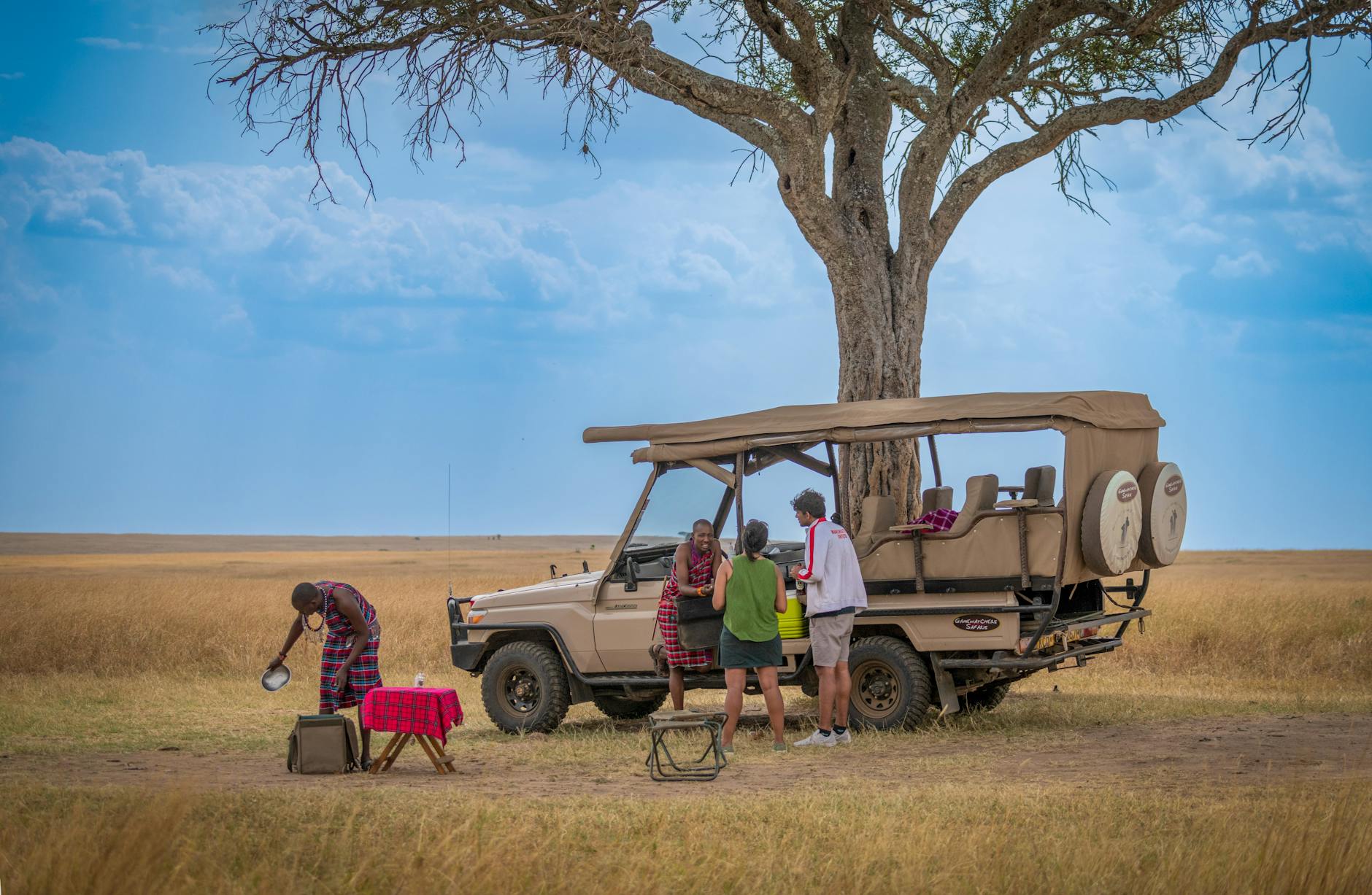
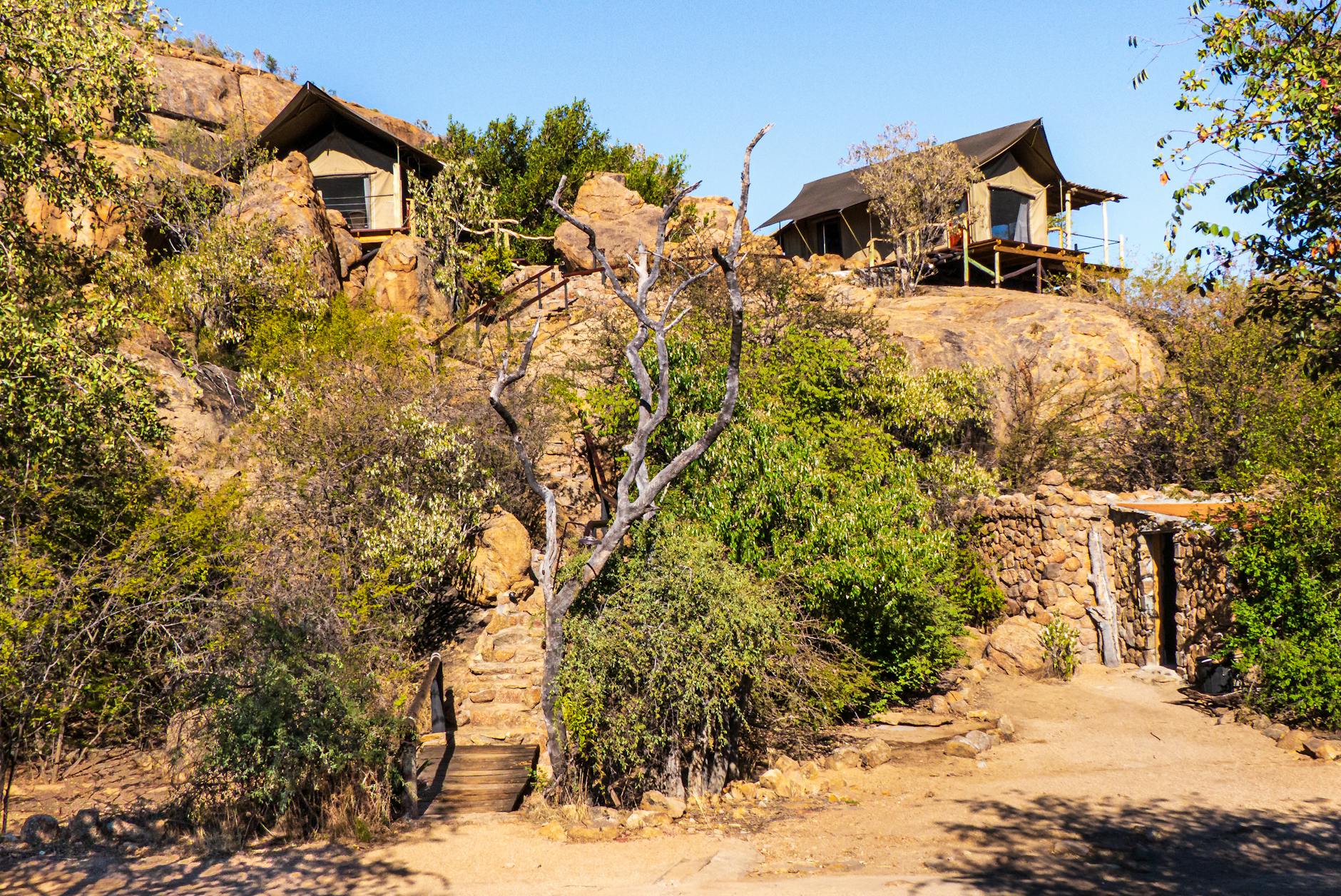
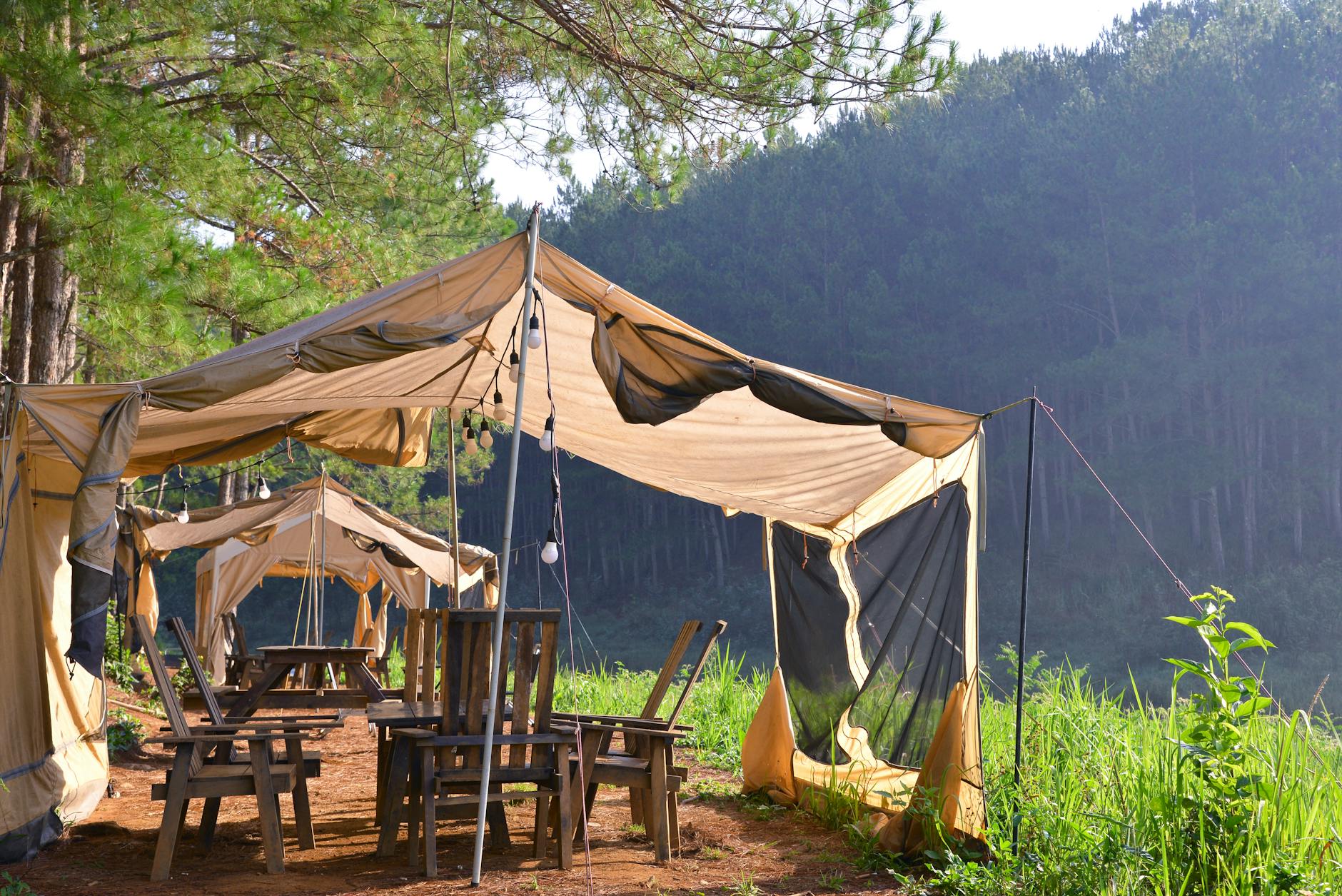
Budget travel in Laikipia takes a bit more effort but is absolutely possible. Because the premium conservancies are expensive, budget options cluster at the edges: simple tented camps, guesthouses and campsites around Nanyuki and on the more accessible conservancies, plus day-trips into Ol Pejeta rather than staying inside pricier reserves. Self-driving and camping can cut costs dramatically. You’ll trade some comfort, exclusivity and convenience — shared facilities, simpler food, fewer frills, more self-organisation — but you’ll still see the same wildlife. For how to do it well, see our budget accommodation guide and money-saving tips.
Mid-Range Safaris in Laikipia
The mid-range tier is where many travellers find the sweet spot: comfortable tented camps and lodges, usually inside or bordering a conservancy, with en-suite rooms, good food, professional guiding and the conservancy experience proper. You get real comfort and the full safari — twice-daily guided activities, conservancy access, often walking and night drives — without the eye-watering rates of the top lodges. The experience is genuinely excellent; the main differences from luxury are in the polish, the exclusivity, the room size and the extra touches, not in the core safari. For couples, families and first-timers wanting quality without extravagance, mid-range Laikipia is hard to beat, and our accommodation guide is full of options.
Luxury Safaris in Laikipia
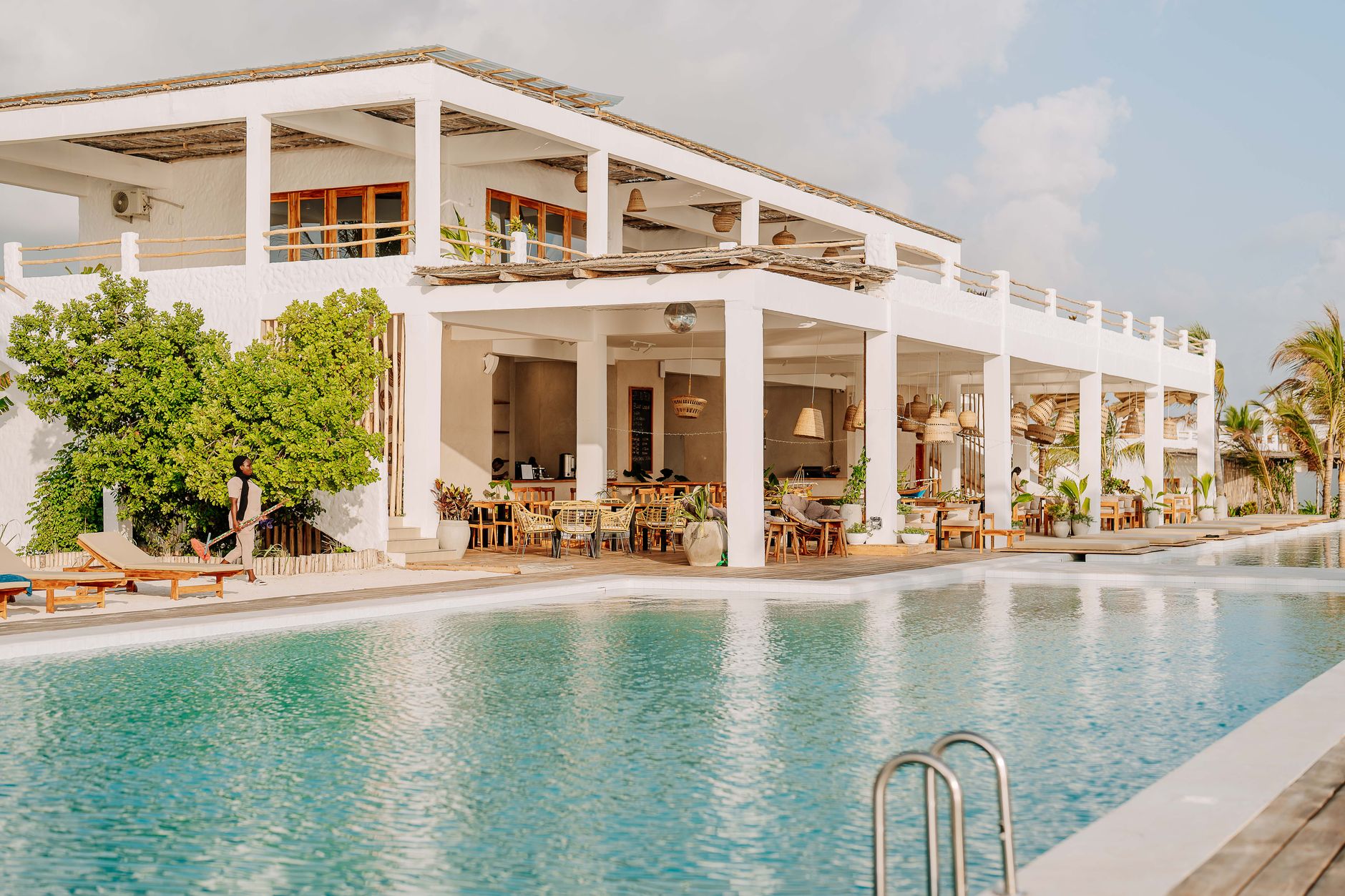
Laikipia is, frankly, one of the great luxury safari destinations on Earth, and the top tier is extraordinary. Think exclusive-use villas and private houses, world-class tented camps, gourmet dining, private guides and vehicles, infinity pools framing Mount Kenya, spa treatments, and a level of service and seclusion that’s genuinely transformative. At this level you’re often paying for privacy and space as much as opulence — entire conservancies or houses to yourselves, no other vehicles at sightings, and bespoke experiences arranged on a whim. It’s expensive, but for honeymoons, special occasions, families wanting an exclusive-use property, or anyone for whom this is a trip of a lifetime, it delivers. Explore the best in our luxury lodges guide.
What Actually Differs Between the Tiers
Here’s the honest breakdown of where your money goes as you move up. Accommodation ranges from simple to sublime — shared or basic rooms to vast private villas. Exclusivity rises sharply: budget can mean more people around, luxury means privacy and few or no other vehicles. Guiding improves, from competent to exceptional specialist guides, sometimes private to your party. Food and drink go from simple and filling to genuinely gourmet. Service and extras — the spa, the surprise bush dinner, the seamless logistics — multiply. What does not change is the wildlife and the landscape: every tier shares the same rhinos, elephants and plains. That’s the key insight for value.
Which Tier Offers the Best Value?
Value depends entirely on your priorities. For pure wildlife on a tight budget, the budget tier wins — you see the same animals for a fraction of the cost. For the best balance of comfort, experience and price, the mid-range tier is the value champion for most travellers, delivering a genuinely excellent safari without luxury’s premium. The luxury tier is “worth it” when privacy, exclusivity, service and once-in-a-lifetime occasion matter more than money — its value is in the intangibles. There’s no universally “best” tier, only the best fit for what you want from the trip and what you can comfortably spend. Our cost guide helps you map budget to experience.
Mixing Tiers for the Best of Both
One clever strategy many travellers use: mix tiers across a trip. Spend a few nights at a comfortable mid-range camp to keep costs down, then splurge on one or two nights at a luxury lodge for a special finale. Or pair a budget Nanyuki base for day-trips with a single night inside a premium conservancy for the full exclusive experience. This blended approach lets you taste the luxury without the full luxury budget, and is especially effective for honeymooners or anyone wanting a highlight without breaking the bank. Plan it with our itinerary guide and budget tips.
A Day in the Life at Each Tier
The tiers feel most real when you picture an actual day. At the budget level, you might wake in a simple tented camp or guesthouse near Nanyuki, drive yourself or take a shared vehicle into a conservancy for the day, picnic from a cool box, and return to a no-frills but comfortable bed. At the mid-range level, you’re woken with coffee, head out on a guided drive in an open vehicle, return to a proper cooked breakfast, relax through midday, and enjoy an afternoon drive and a three-course dinner at a comfortable lodge. At the luxury level, add a private guide and vehicle, gourmet bush breakfasts, a spa treatment, sundowners in a hidden spot, and seamless, anticipatory service throughout. Same wildlife, three very different days.
Seeing it this way clarifies that you’re buying comfort, service and exclusivity as you move up — the texture of the day — rather than better animals. That insight is the key to choosing the tier that genuinely fits you.
Hidden Costs by Tier
Each tier has its own pattern of extra costs to anticipate. Budget trips can accrue costs through paying à la carte — separate conservancy day-fees, meals, fuel for self-driving, activity charges — which can add up if you’re not careful. Mid-range packages are usually fairly inclusive, but watch for premium drinks and optional activities. Luxury is often the most genuinely all-in, though even there flights, tips and the priciest extras sit on top. Across all tiers, the constants outside the rate are international and domestic flights, tips, and pre-trip costs. Factor these into any tier comparison so you’re comparing true totals.
Guiding and Food Across the Tiers
Two things improve markedly as you move up, and both matter more than people expect. Guiding ranges from competent at the budget end to genuinely exceptional at the top, where specialist, highly experienced guides — sometimes private to your party — transform what you see and understand. A great guide can make a mid-range trip feel luxurious and a poor one can dull a pricey trip, so guiding quality is worth weighting heavily. Food climbs from simple and filling to genuinely gourmet, with the top lodges offering restaurant-quality dining and bush banquets. Neither changes the wildlife, but both substantially shape the daily pleasure of the trip — which is why many travellers happily pay up a tier for better guiding and food.
Sample Budgets for Each Tier
To plan, it helps to model a rough week. A budget week, using guesthouses and self-driving or day-trips, can be kept relatively modest, though Laikipia’s conservancy model means it still costs more than a national-park budget trip. A mid-range week at comfortable lodges, fully inclusive, lands in the middle and represents excellent value for the experience. A luxury week at the finest lodges, or an exclusive-use property, reaches into the premium thousands per person. Add flights, tips and pre-trip costs to each. The right model depends on your priorities, and our cost guide and budget tips help you build a realistic figure for your chosen tier.
Matching the Tier to the Traveller
Finally, match tier to traveller. Budget suits young, adventurous, independent travellers and anyone prioritising wildlife over comfort. Mid-range suits most couples, families and first-timers wanting a genuinely comfortable, complete safari at sensible cost — the default sweet spot. Luxury suits honeymooners, special-occasion travellers, families wanting an exclusive-use house, and anyone for whom this is a once-in-a-lifetime trip where privacy and service justify the spend. Many travellers also mix tiers across a trip. Be honest about what you value — comfort, exclusivity, budget — and the right tier becomes obvious.
Common Tier Mistakes to Avoid
A few errors trip travellers up when choosing a tier. The first is assuming luxury means better wildlife — it doesn’t; the animals are the same at every level, so don’t overspend expecting more or better sightings. The second is going too budget for your own comfort tolerance and ending up unhappy — be honest about what level of comfort you actually need to enjoy the trip. The third is comparing tiers on headline rates rather than true all-in costs, which can make a mid-range inclusive lodge look pricier than a budget room-only that ends up costing more. And the fourth is spreading a budget too thin across too many nights when fewer, better nights might satisfy more. Choosing well means matching tier honestly to your priorities and comparing like with like, as our pricing guide explains.
Avoid these and you’ll land on the tier that genuinely fits, rather than over- or under-spending and regretting it.
Upgrading Strategically
If you’re tempted to spend more, do it where it counts. The upgrades that most improve a safari are, in rough order: better guiding (a superb guide transforms everything), then exclusivity and privacy (fewer vehicles, more space), then comfort and food, then the frills. So if your budget stretches partway between tiers, prioritise a property known for excellent guiding and a quieter conservancy over one that simply has fancier rooms. Similarly, a single splurge night at a standout lodge can deliver more joy than spreading the same money thinly across the whole trip. Spend strategically on the elements that shape the experience most, and you’ll feel the upgrade far more than if you’d simply paid for a bigger room. Our luxury guide highlights where the premium genuinely shows.
The Final Verdict on Tiers
If there’s one takeaway, it’s this: the wildlife is democratic. The same rhinos, elephants and Mount Kenya sunrises are available at every price point, so no one is priced out of the essential Laikipia experience. What money buys is comfort, exclusivity, guiding quality, food and service — the texture and ease of the trip, not its substance. For most travellers, the mid-range tier hits the sweet spot of excellent experience at sensible cost; budget unlocks the wildlife for the cost-conscious; and luxury rewards those who value privacy and service and can afford the premium. Choose honestly based on what you value, compare true all-in costs, and you’ll find the tier that makes your Laikipia safari both wonderful and well-judged. Map it out with our cost guide.
Does luxury safari mean better wildlife sightings?
No. The wildlife is the same at every tier — you watch the same animals on the same conservancies. Luxury buys better accommodation, guiding, food, service and exclusivity (fewer vehicles, more privacy), not better or more animals. Don’t overspend expecting superior sightings; do consider spending up for better guiding and exclusivity if those matter to you.
The Best of Each Tier
Rather than ranking the tiers, it’s fairer to celebrate what each does best. The budget tier’s triumph is access — it puts world-class wildlife within reach of travellers who could never afford a luxury lodge, and rewards the adventurous, independent spirit. The mid-range tier’s strength is balance — genuine comfort, the full guided safari and excellent value, with little meaningfully missing for most travellers. The luxury tier’s gift is transformation — privacy, service and a sense of occasion that turns a holiday into a once-in-a-lifetime memory, ideal for honeymoons and special trips. Each is the “best” for the right person. The art is knowing which person you are on this particular trip, and there’s no shame in any answer.
Many travellers also find their ideal tier shifts with the occasion — backpacking budget in their twenties, comfortable mid-range with young children, a luxury splurge for a milestone anniversary. The plateau welcomes them all.
How the Wildlife Stays Equal
It bears repeating because it’s so central to value: across every tier, you’re sharing the same conservancies, the same rhinos and elephants, the same guides’ radio network finding the same lions. A budget day-tripper and a luxury guest can watch the identical leopard in the identical tree. The luxury guest may do so from a more comfortable vehicle, with a private guide and a chilled drink to hand, and return to a finer bed — but the wildlife encounter itself, the thing you crossed the world for, is shared. This is the great equaliser of a Laikipia safari and the reason budget travel here is so worthwhile: you are never priced out of the magic, only out of the trimmings. Hold onto that when weighing what to spend, and explore the wildlife itself in our safari guide.
Frequently Asked Questions
How much does a Laikipia safari cost per day?
Roughly US$150–300 per person per day for budget, US$350–600 for mid-range, and US$700–1,500+ for luxury, all-inclusive. Laikipia skews a little higher than the Kenya average because of its private-conservancy model, with the most genuine value usually found in the mid-range tier.
Is a budget safari in Laikipia worth it?
Yes, if you prioritise wildlife over comfort. You’ll see the same animals as luxury guests for a fraction of the price, typically staying in simpler camps or guesthouses near Nanyuki, self-driving or camping. You trade comfort, exclusivity and convenience, but the safari itself is real and rewarding.
What’s the difference between mid-range and luxury safaris?
The wildlife is identical; the differences are in accommodation quality, exclusivity, guiding, food and service. Mid-range offers comfortable rooms, good food and the full safari experience; luxury adds private guides and vehicles, gourmet dining, spas, exclusive-use properties and far greater privacy and polish.
Which safari tier is best value in Laikipia?
For most travellers, the mid-range tier offers the best balance of comfort, experience and cost. Budget is best value for wildlife-focused travellers watching the pennies; luxury is “worth it” when privacy, exclusivity and once-in-a-lifetime service justify the premium. It depends on your priorities.
Can you do a Laikipia safari cheaply?
Yes, though it takes more effort than in the national parks. Stay in budget camps or guesthouses near Nanyuki, day-trip into Ol Pejeta, consider self-driving and camping, and travel in shoulder or green season. See our budget tips for the full playbook.
Found your tier? Refine the plan with our guides to all-inclusive pricing, saving money, and the complete Laikipia safari cost guide.